


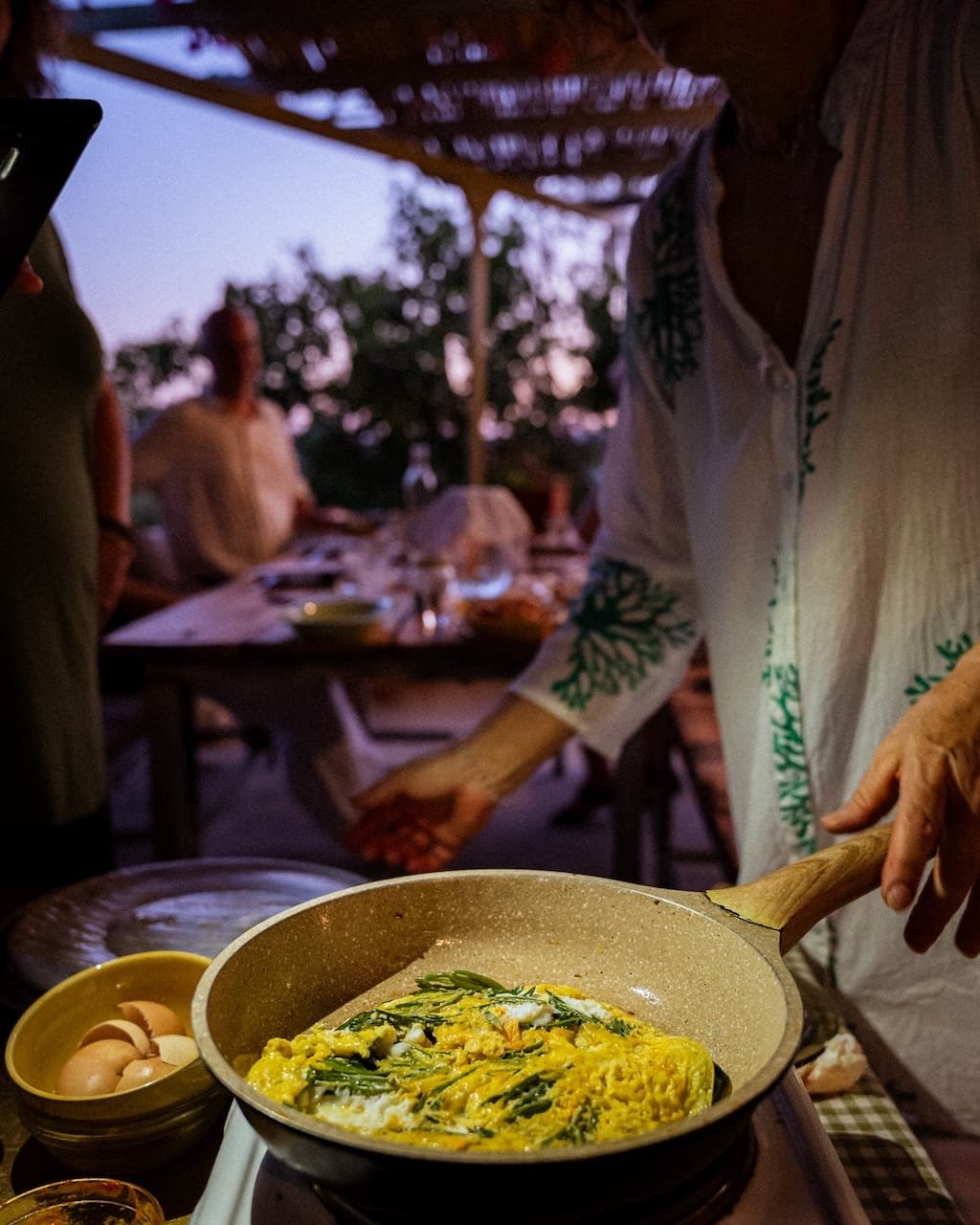
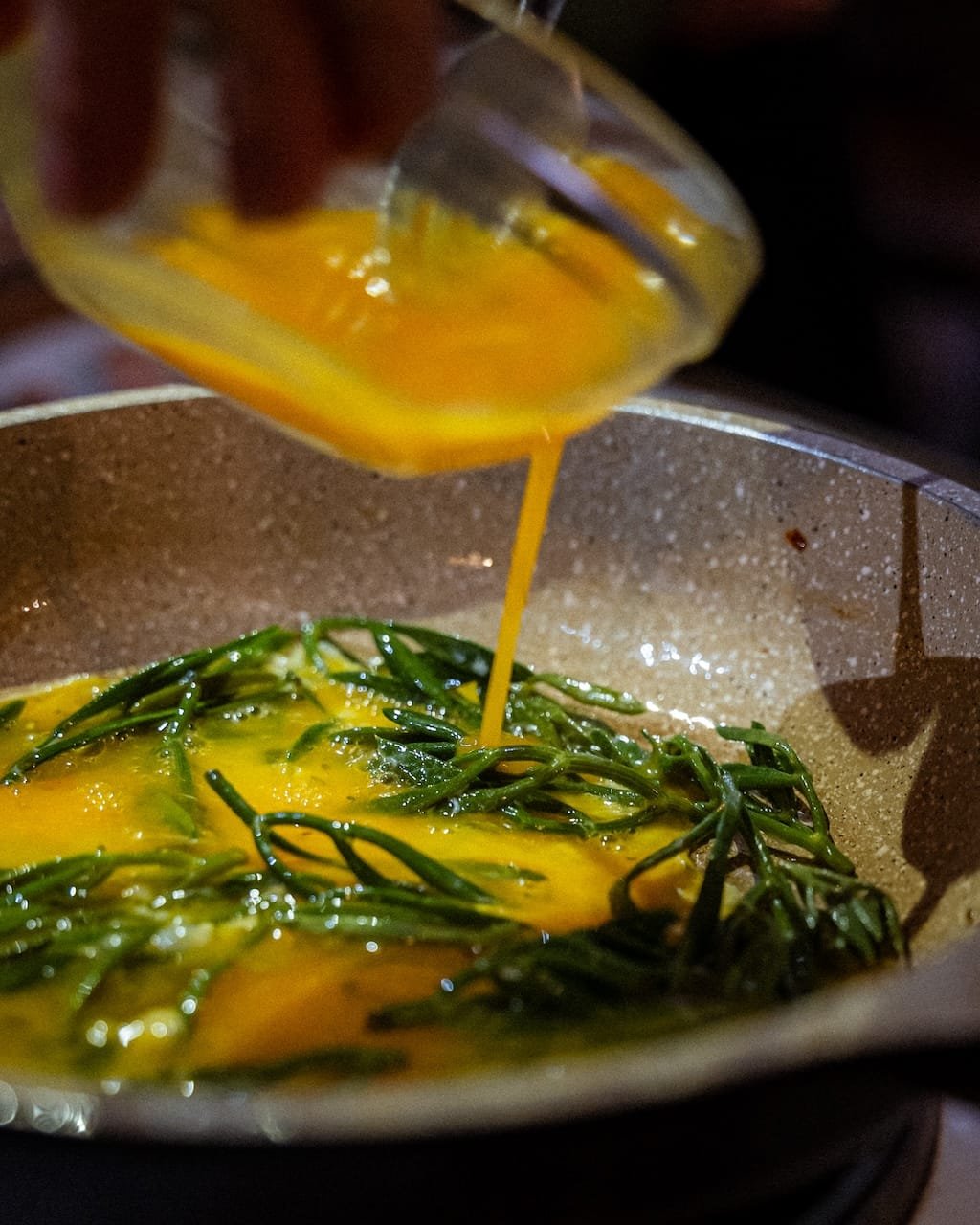
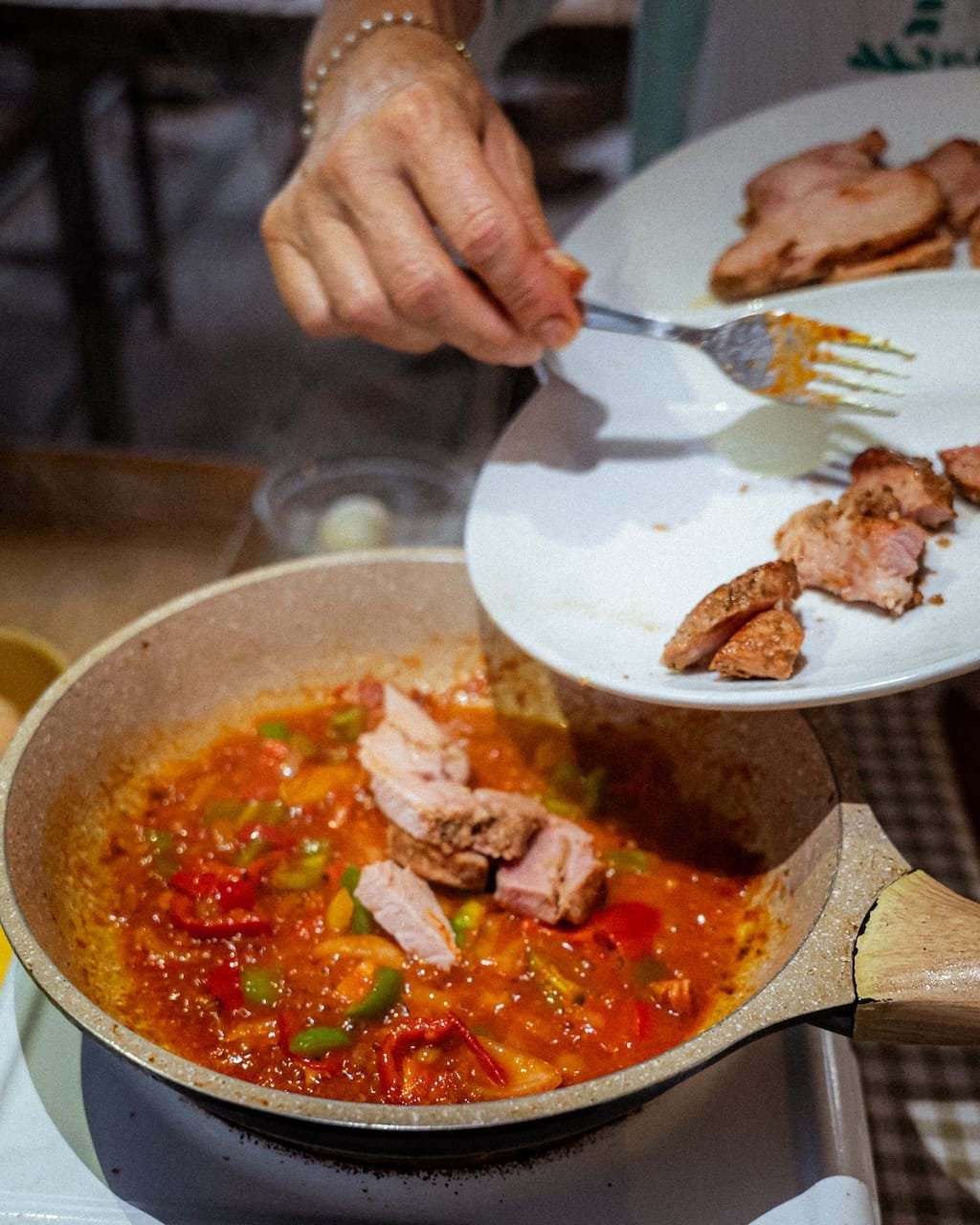
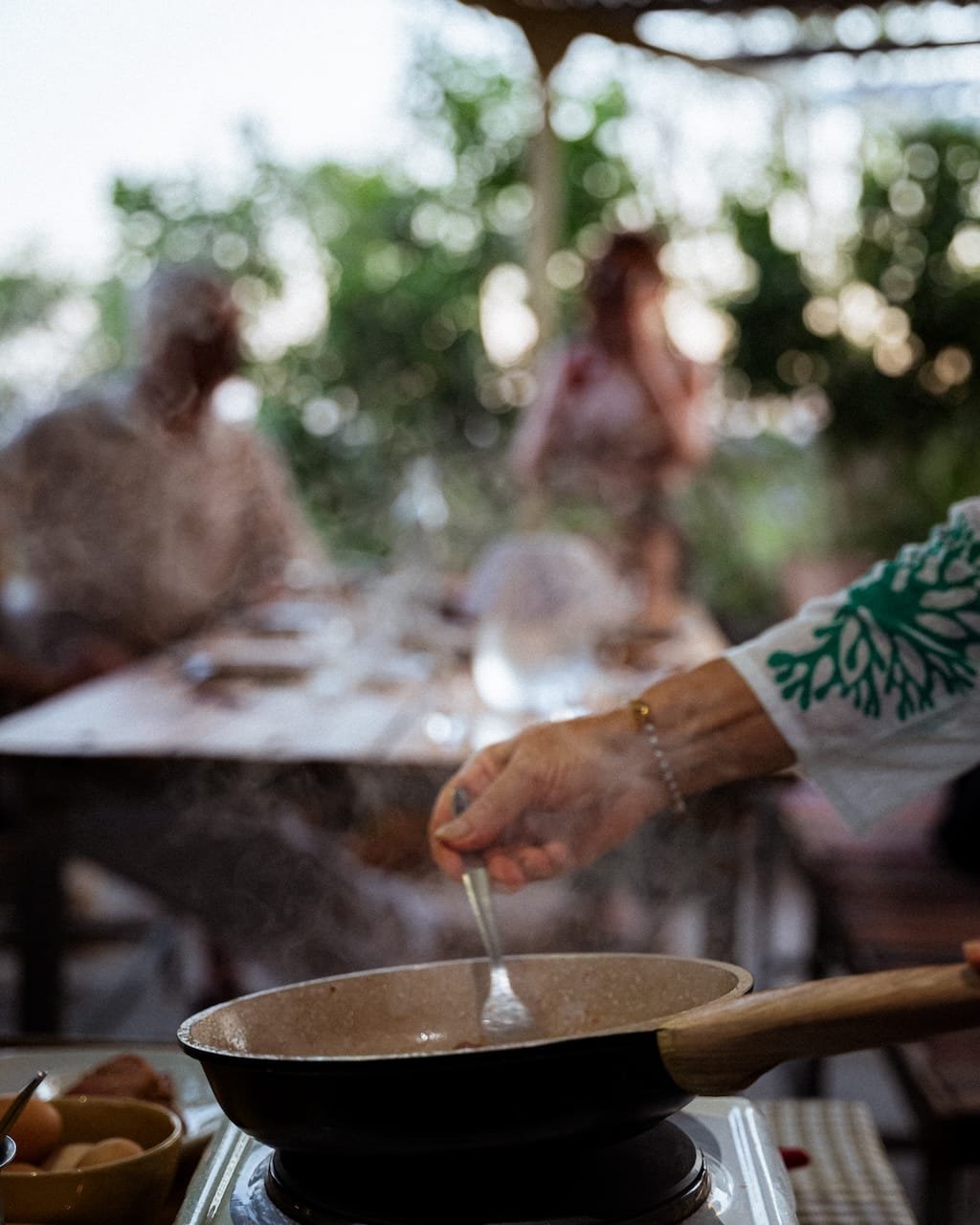



















Sustainable Slow Food in Crete: Why Aspras Terra’s Cooking Class Is Essential for Travelers
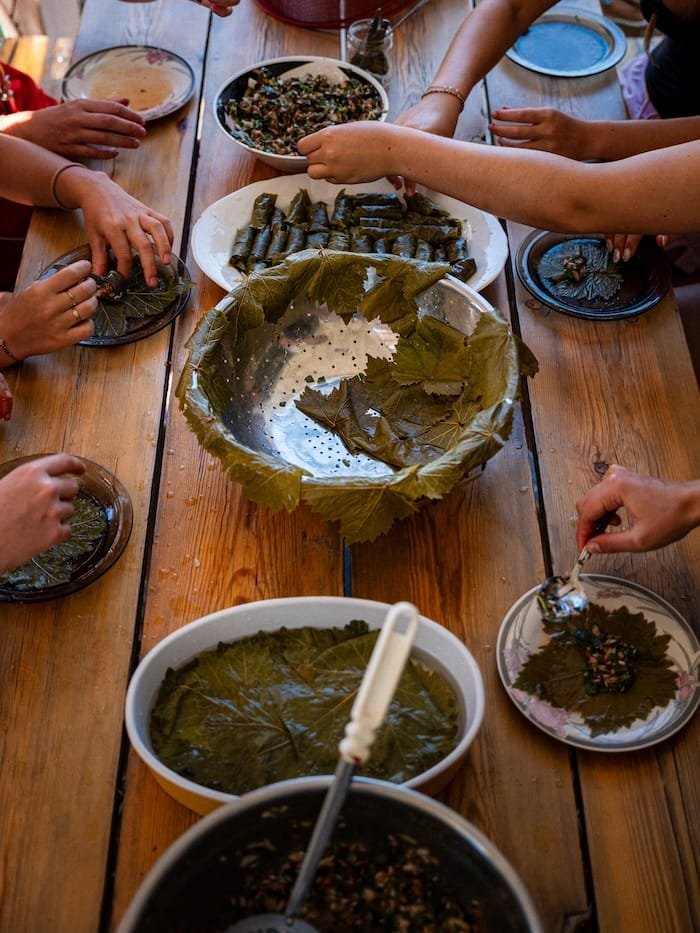
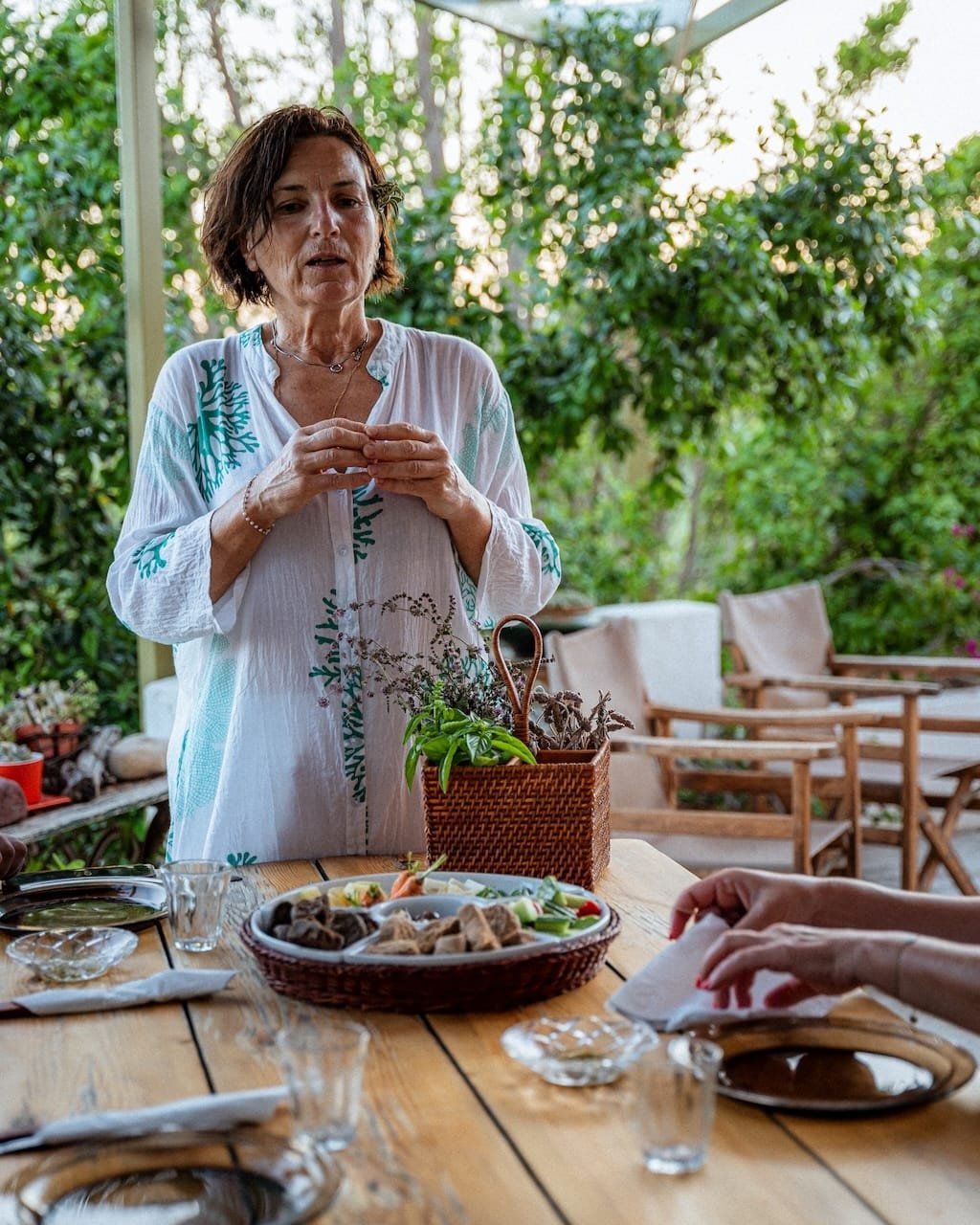
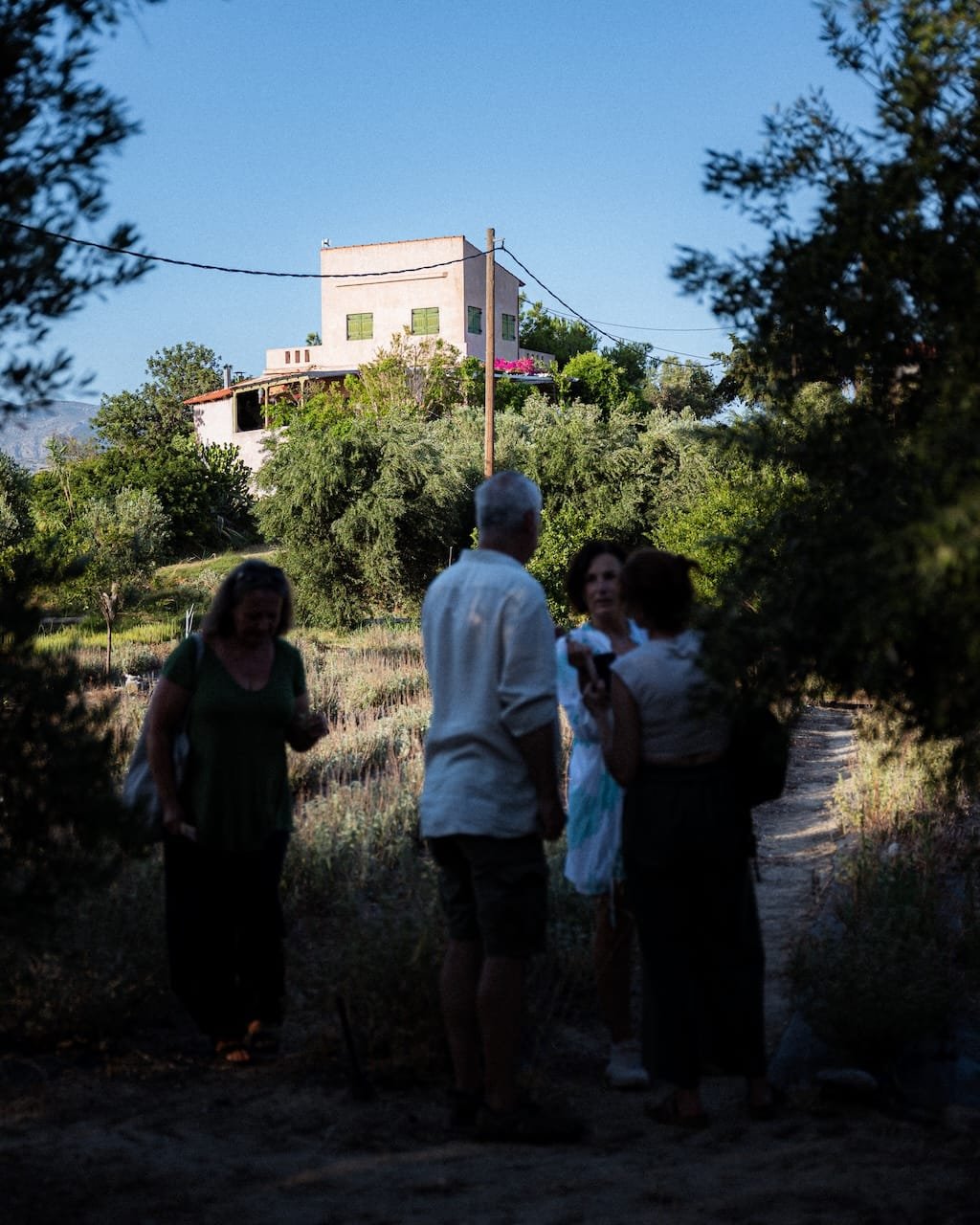
As travellers become more aware of their impact, sustainable tourism has become a priority. In Crete, sustainable slow food experiences offer a way to enjoy authentic cuisine while supporting local communities and ecosystems. Aspras Terra’s cooking class near Ierapetra exemplifies these principles. This article explains how the farm’s practices align with slow food values, why the Cretan diet is inherently sustainable and how visitors can make ethical choices when travelling.
Table of Contents
What is slow food?
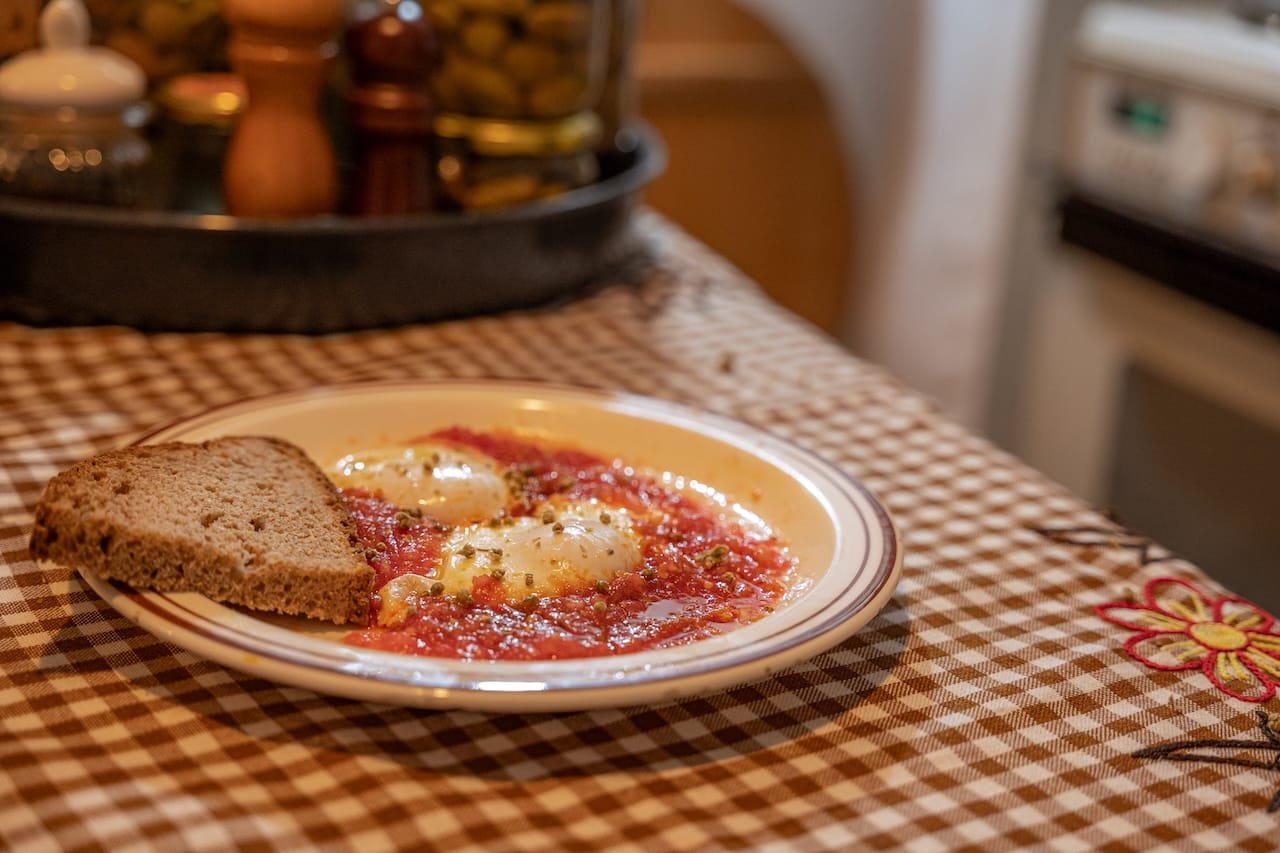
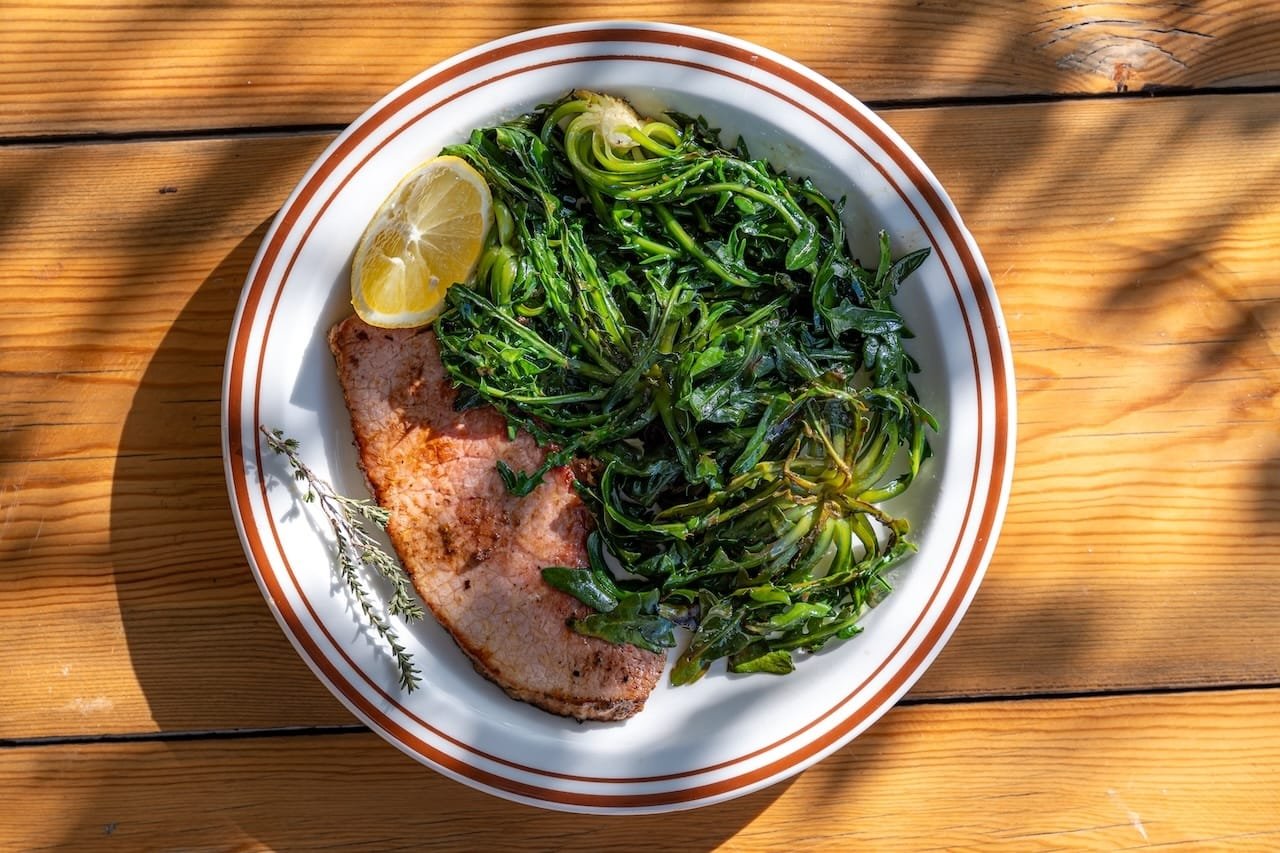
The Slow Food movement began in Italy in the 1980s as a reaction against fast food and industrialised farming. It advocates for traditional cooking methods, regional ingredients, biodiversity and fair conditions for producers. In Crete, where people have eaten locally grown foods for thousands of years, slow food is part of everyday life rather than a trend.
The sustainability of the Cretan diet
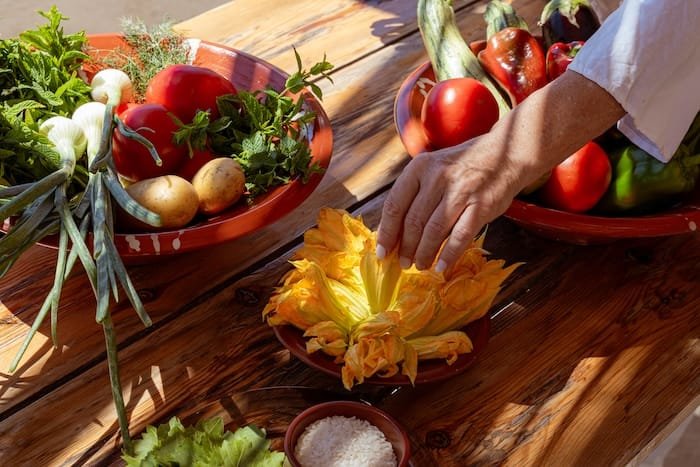
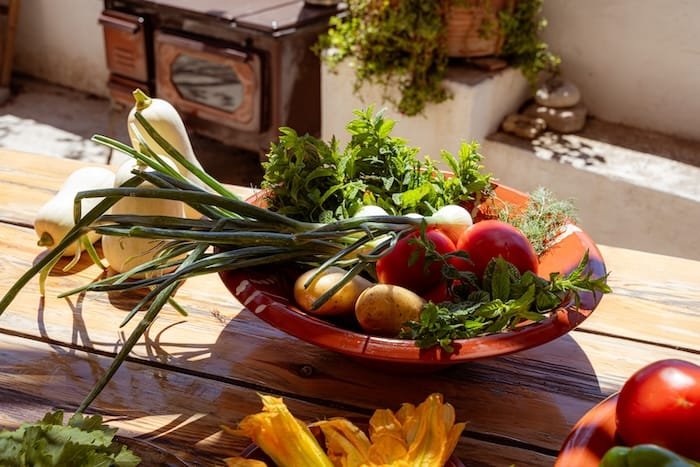
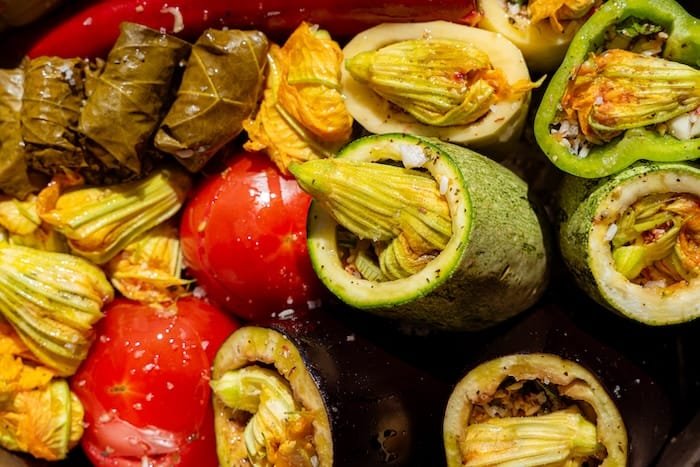
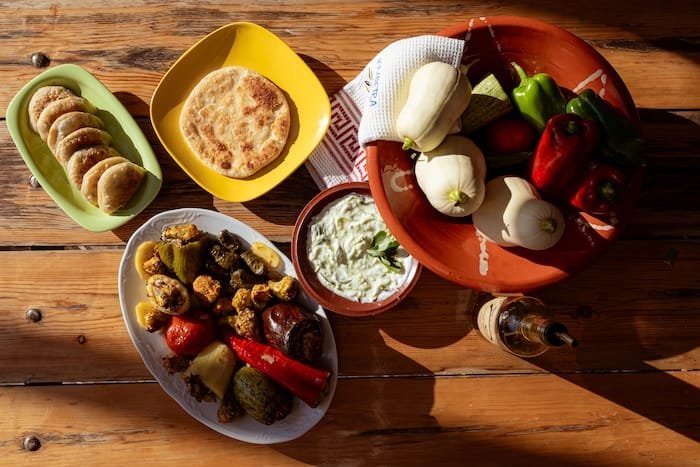
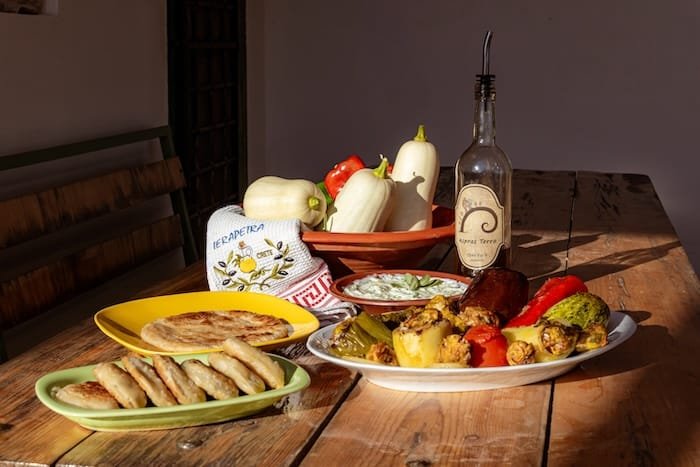
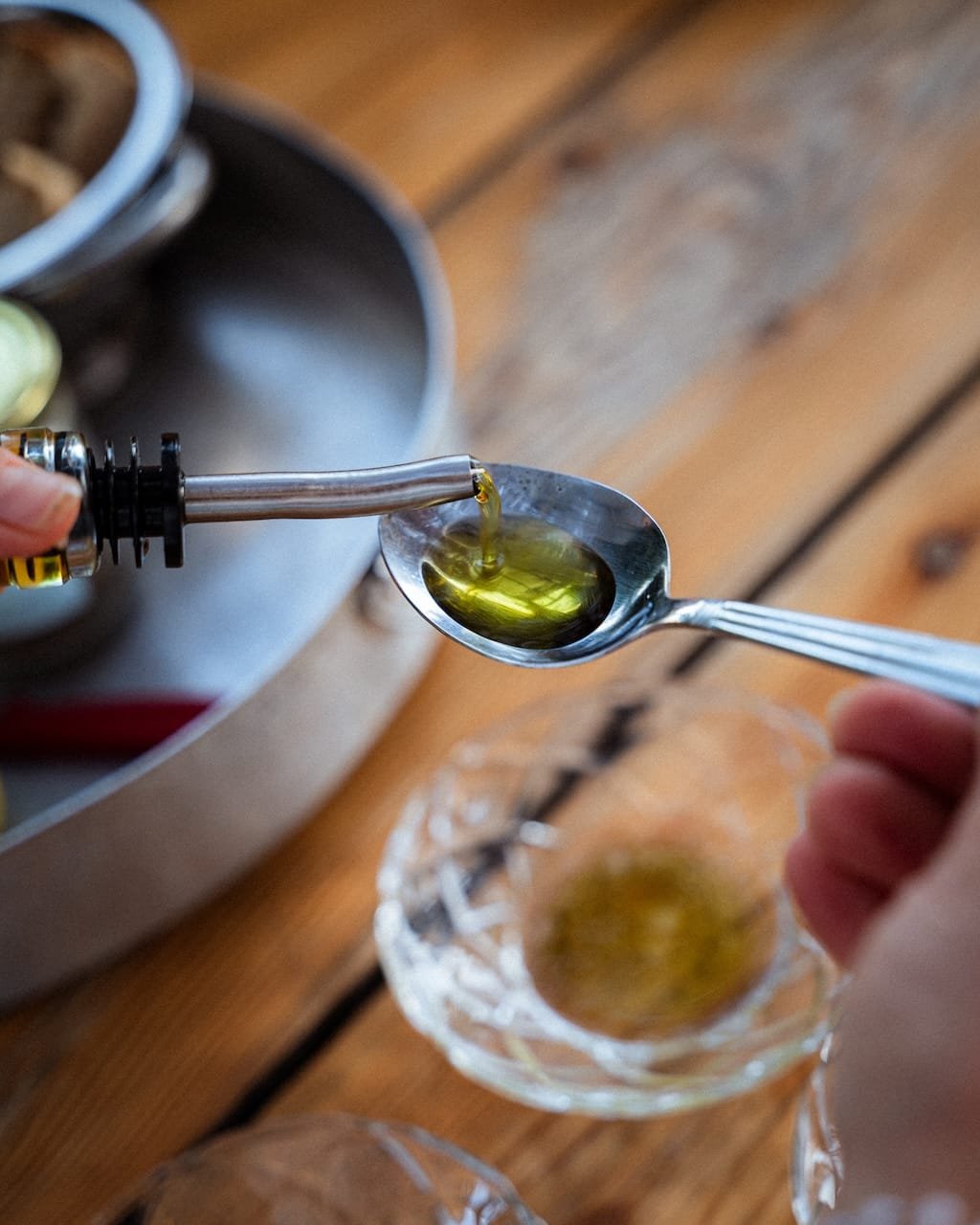
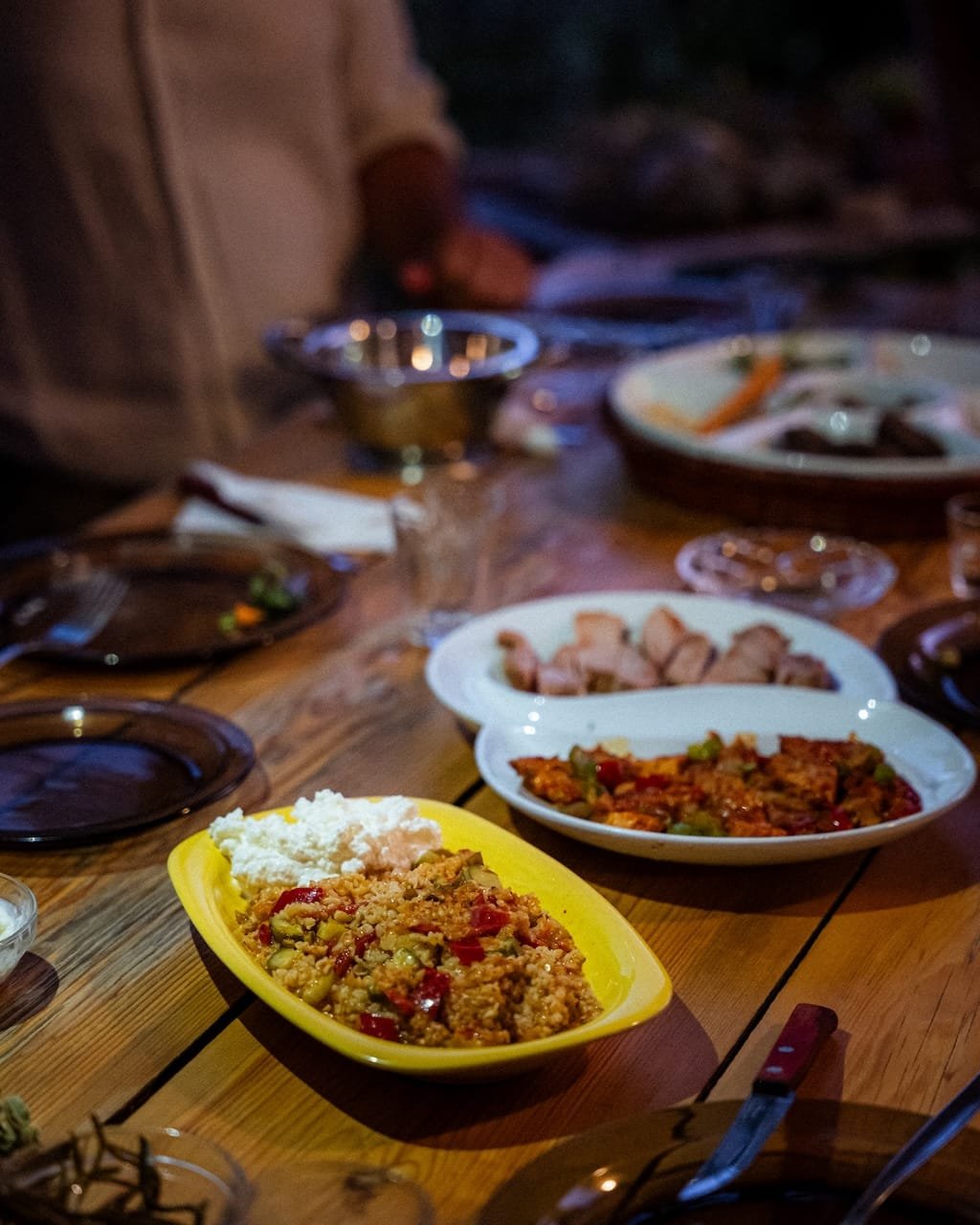
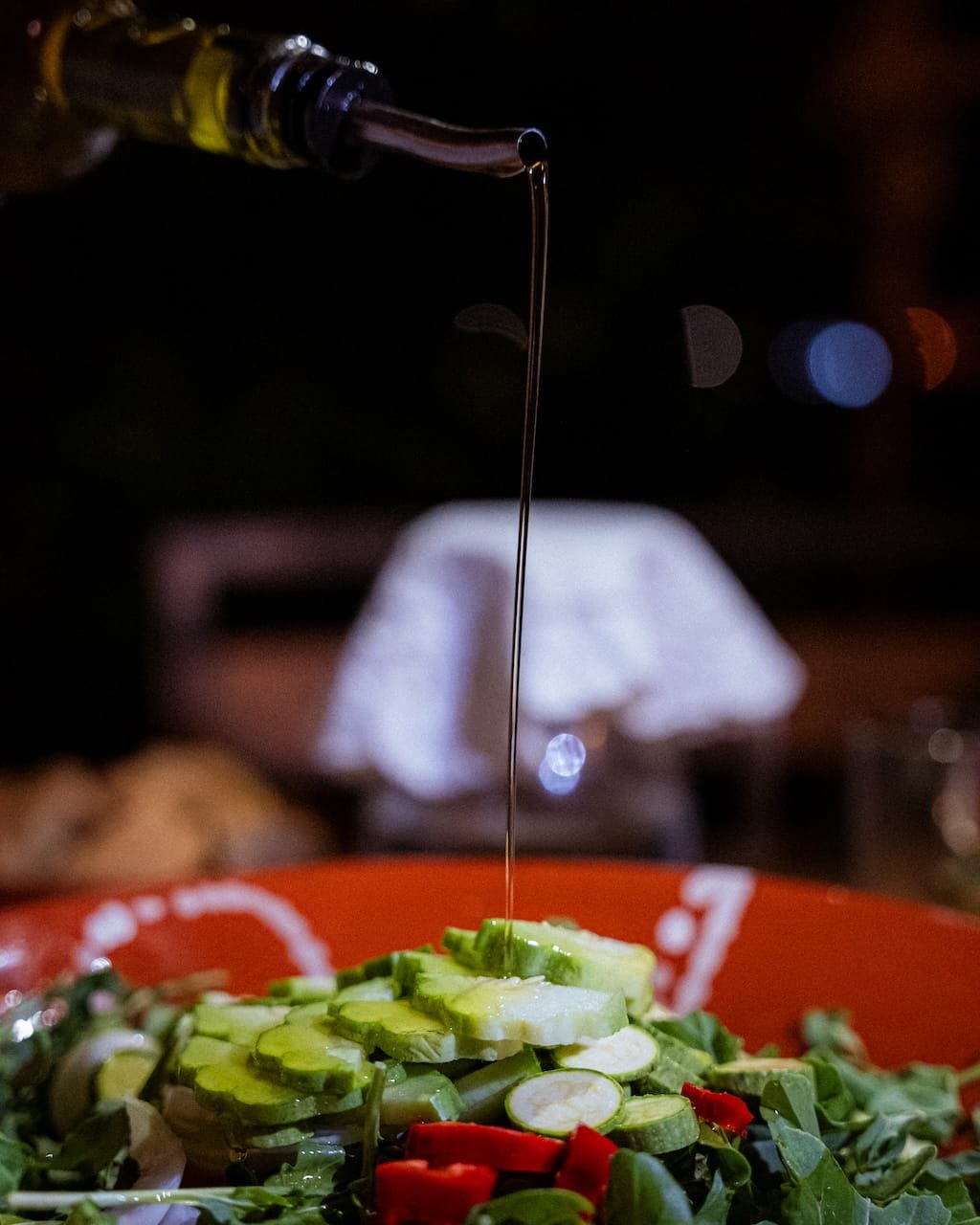
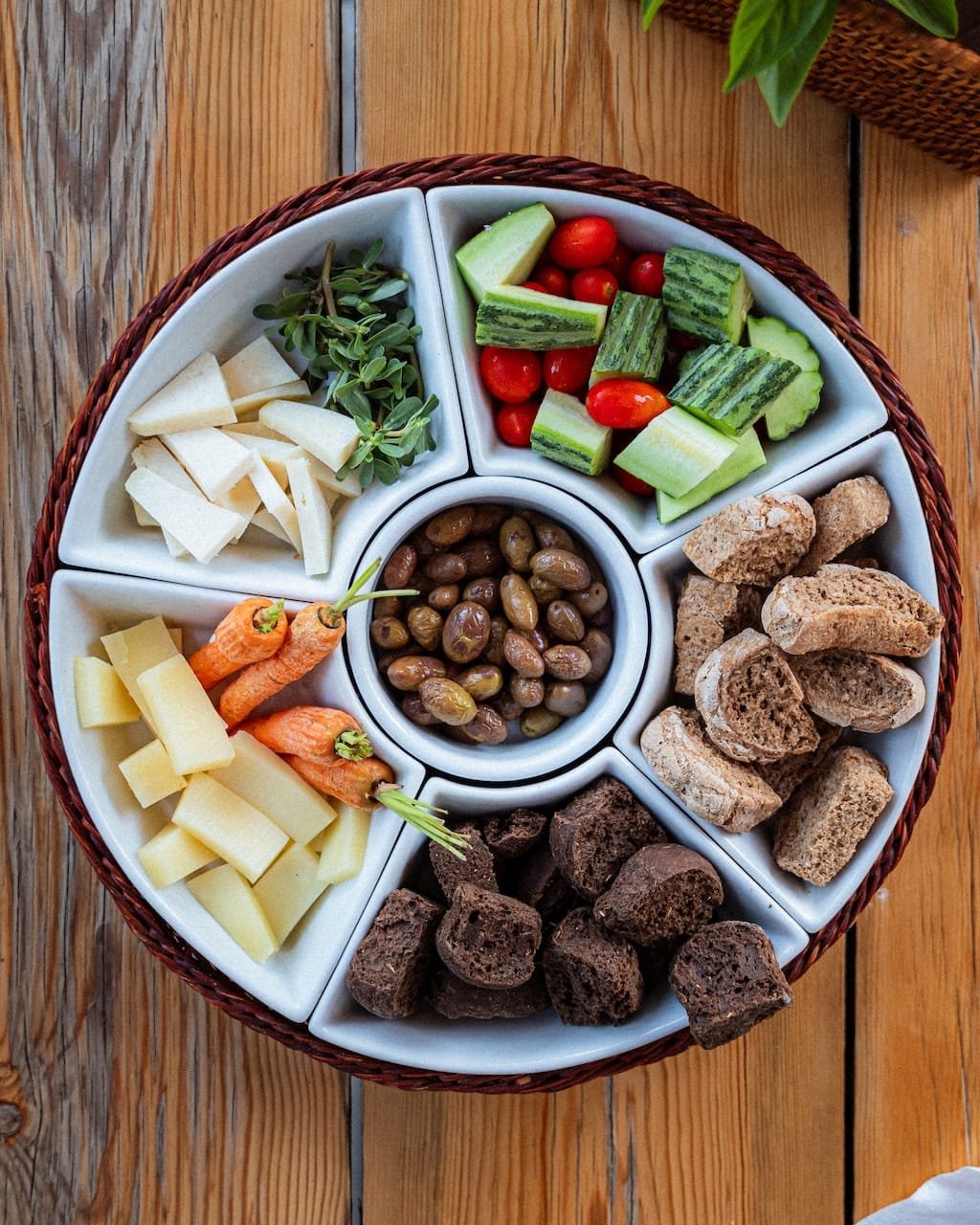
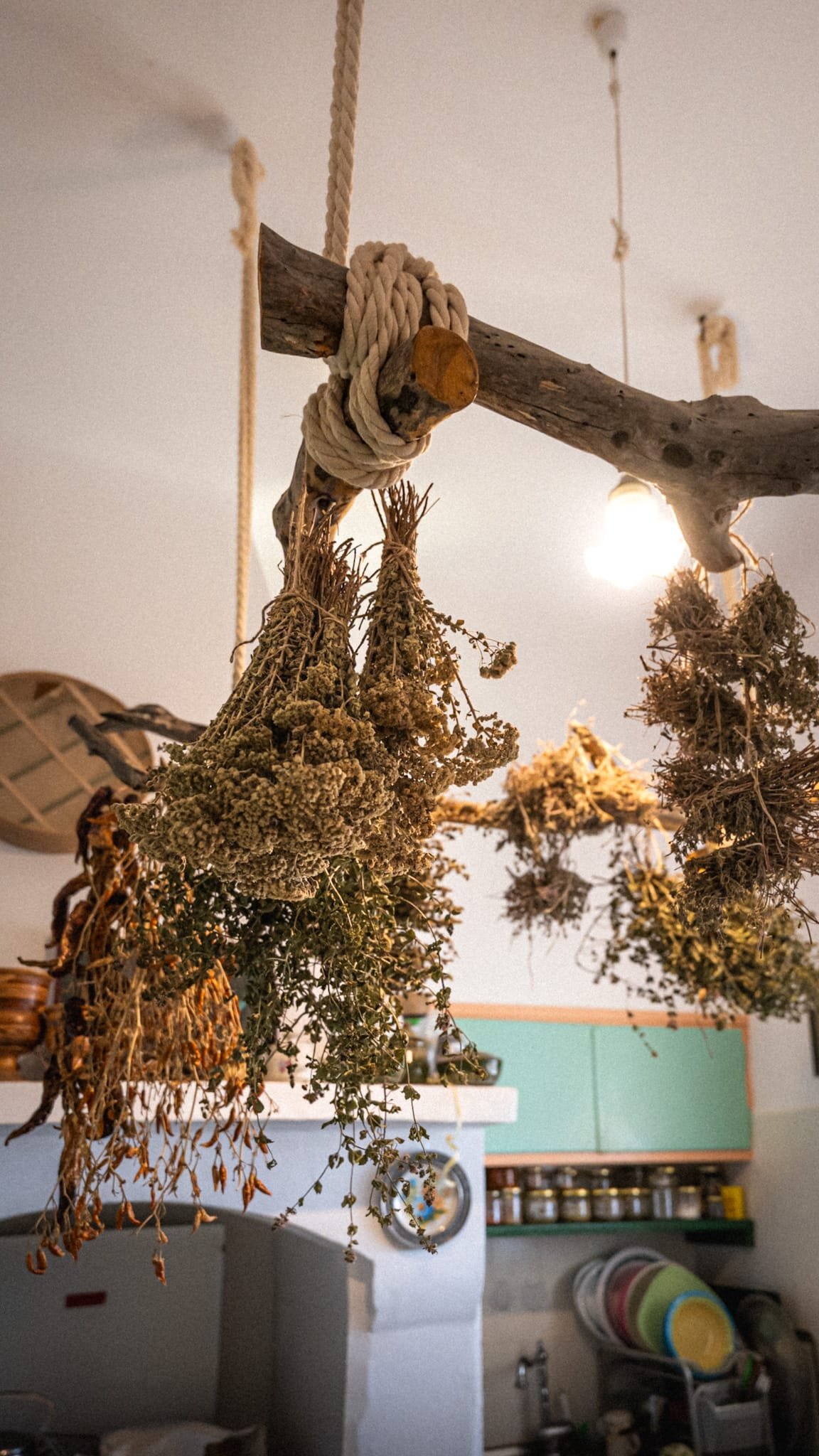
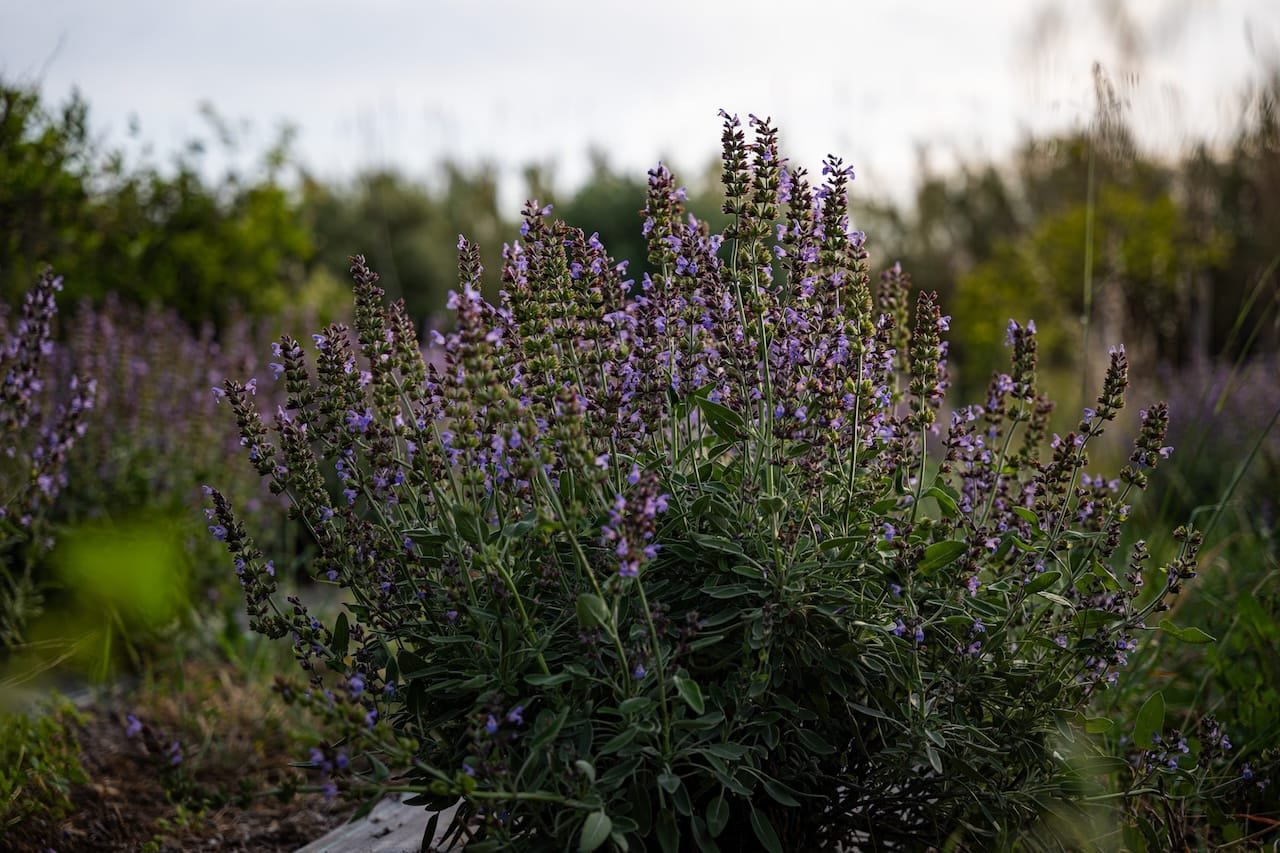
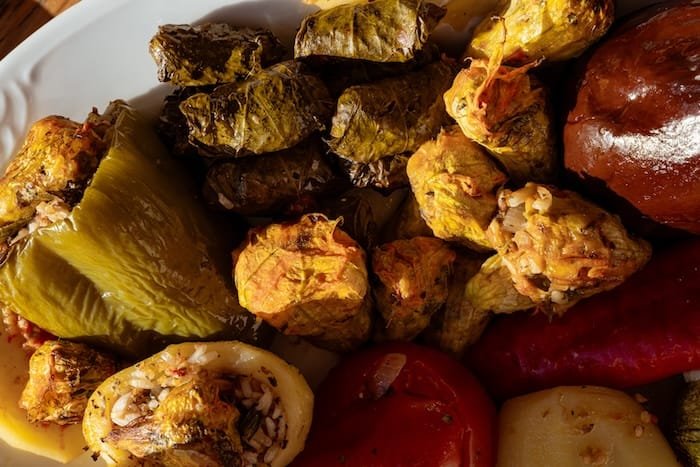
The Cretan diet relies on ingredients that grow well in the island’s Mediterranean climate: olive oil, vegetables, wild greens, legumes, grains and herbs. These foods have a low environmental footprint compared with industrially produced meat and processed foods. Extra‑virgin olive oil is produced from trees that can live for centuries and provide shade and erosion control. Research shows that rural Cretans eating this diet enjoyed low rates of heart disease, demonstrating that sustainability and health go hand in hand.
Aspras Terra’s sustainable practices
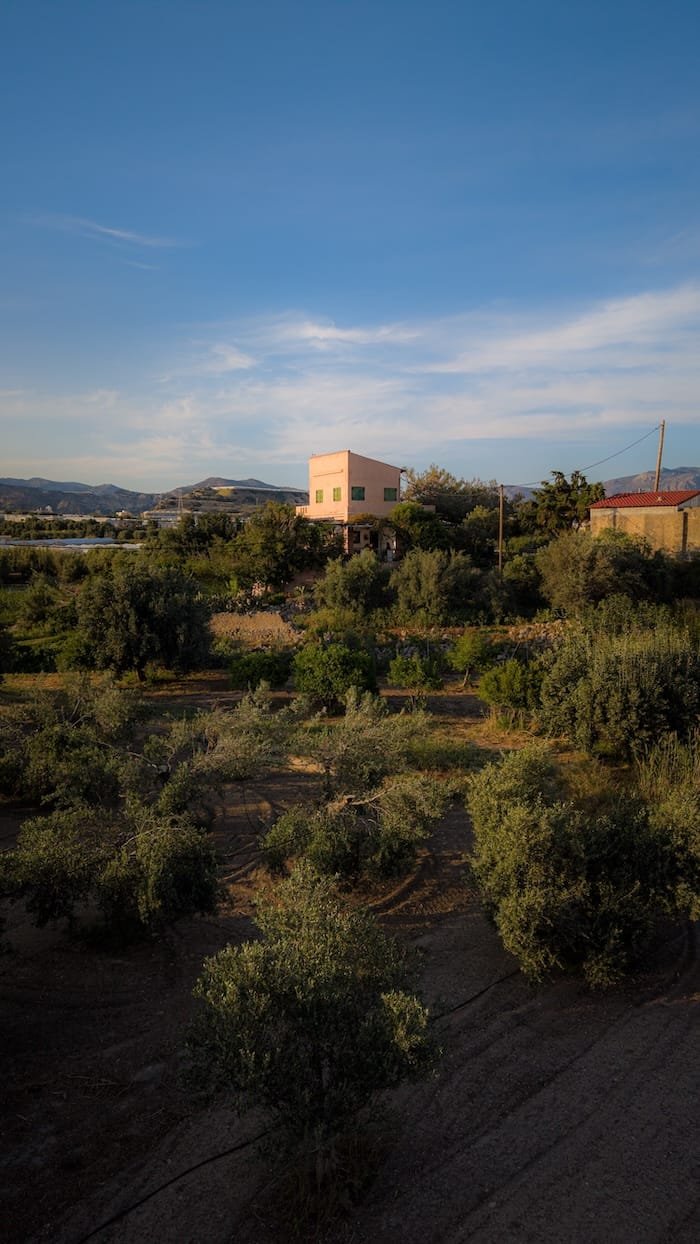
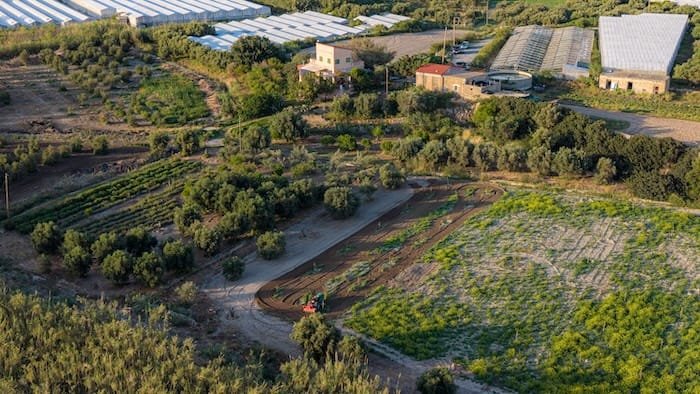
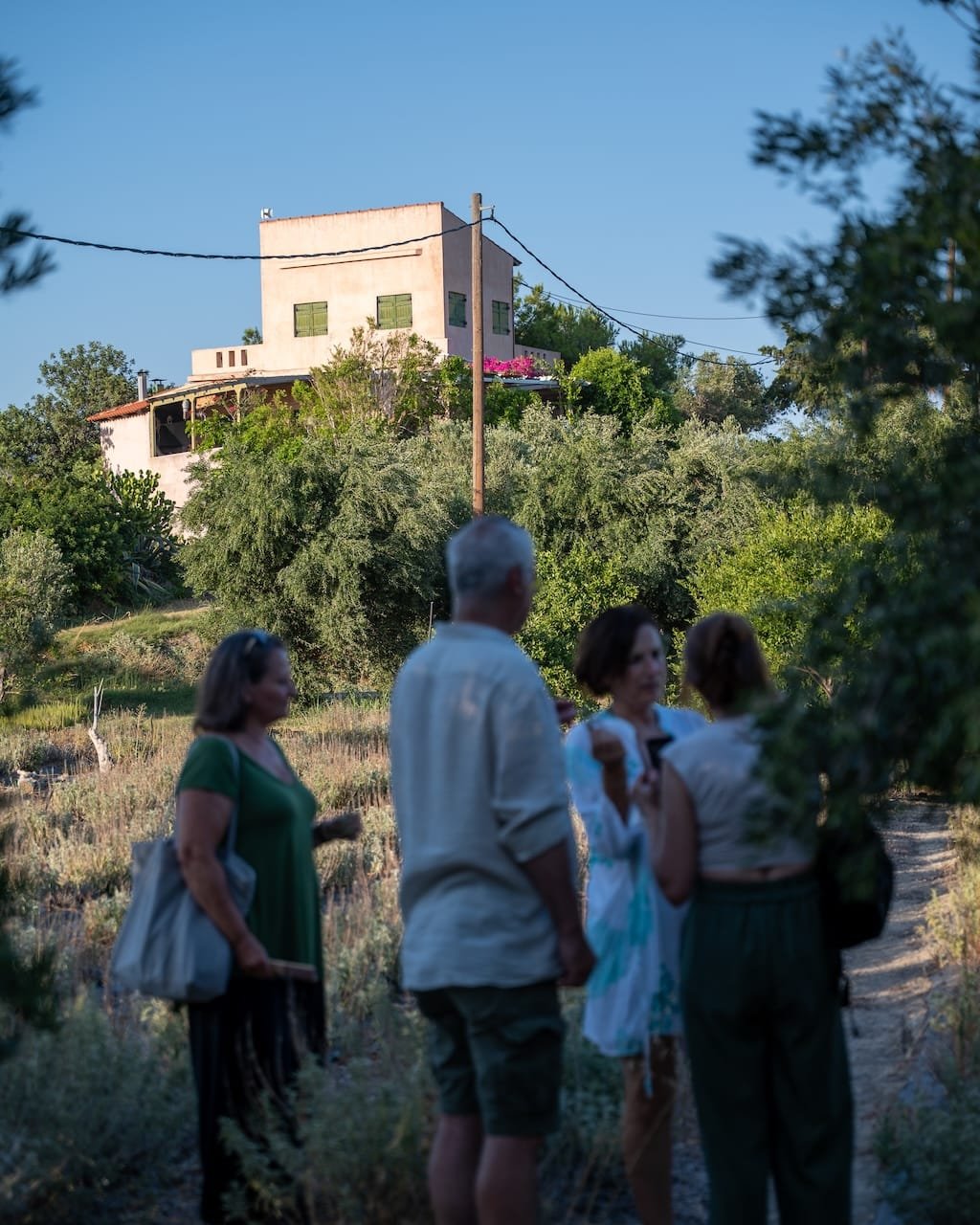
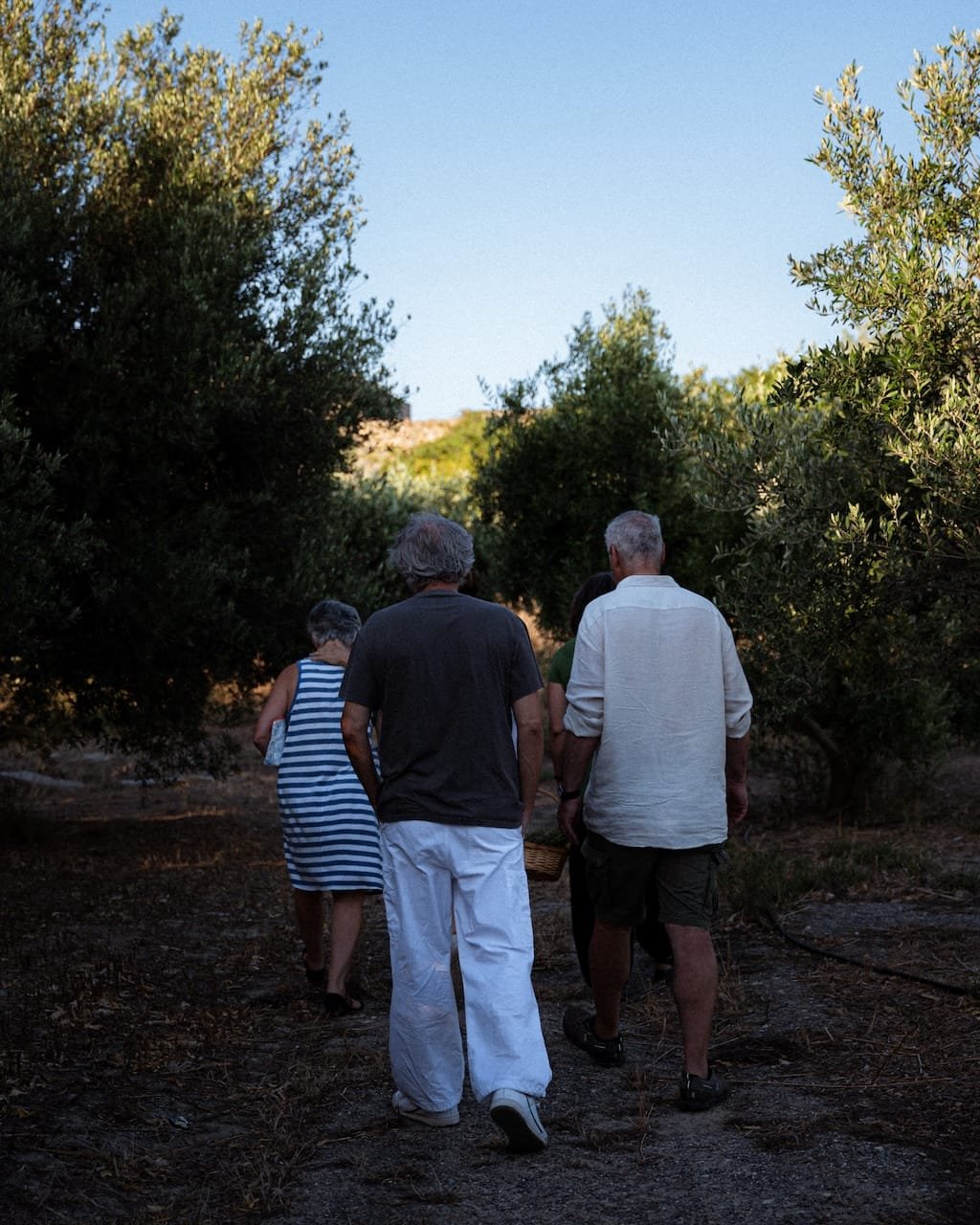
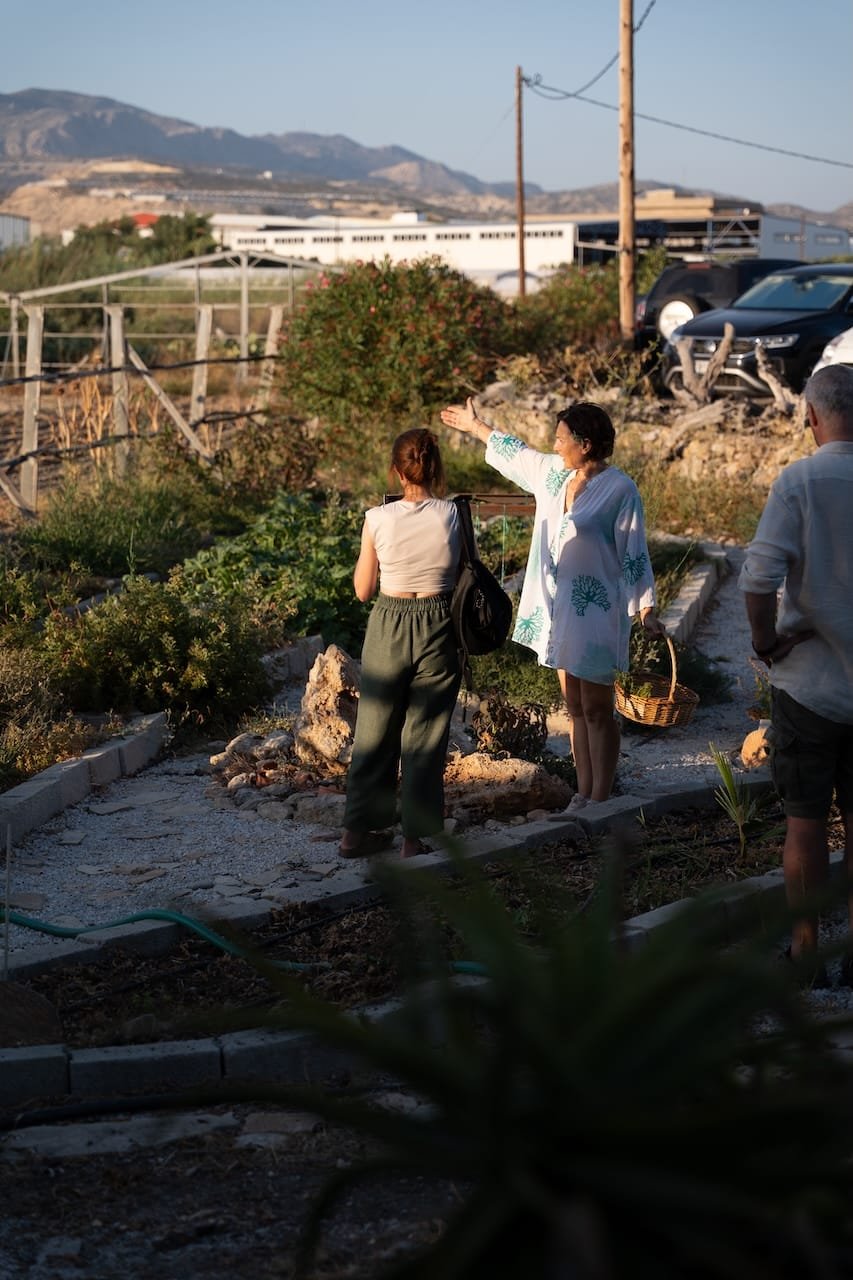
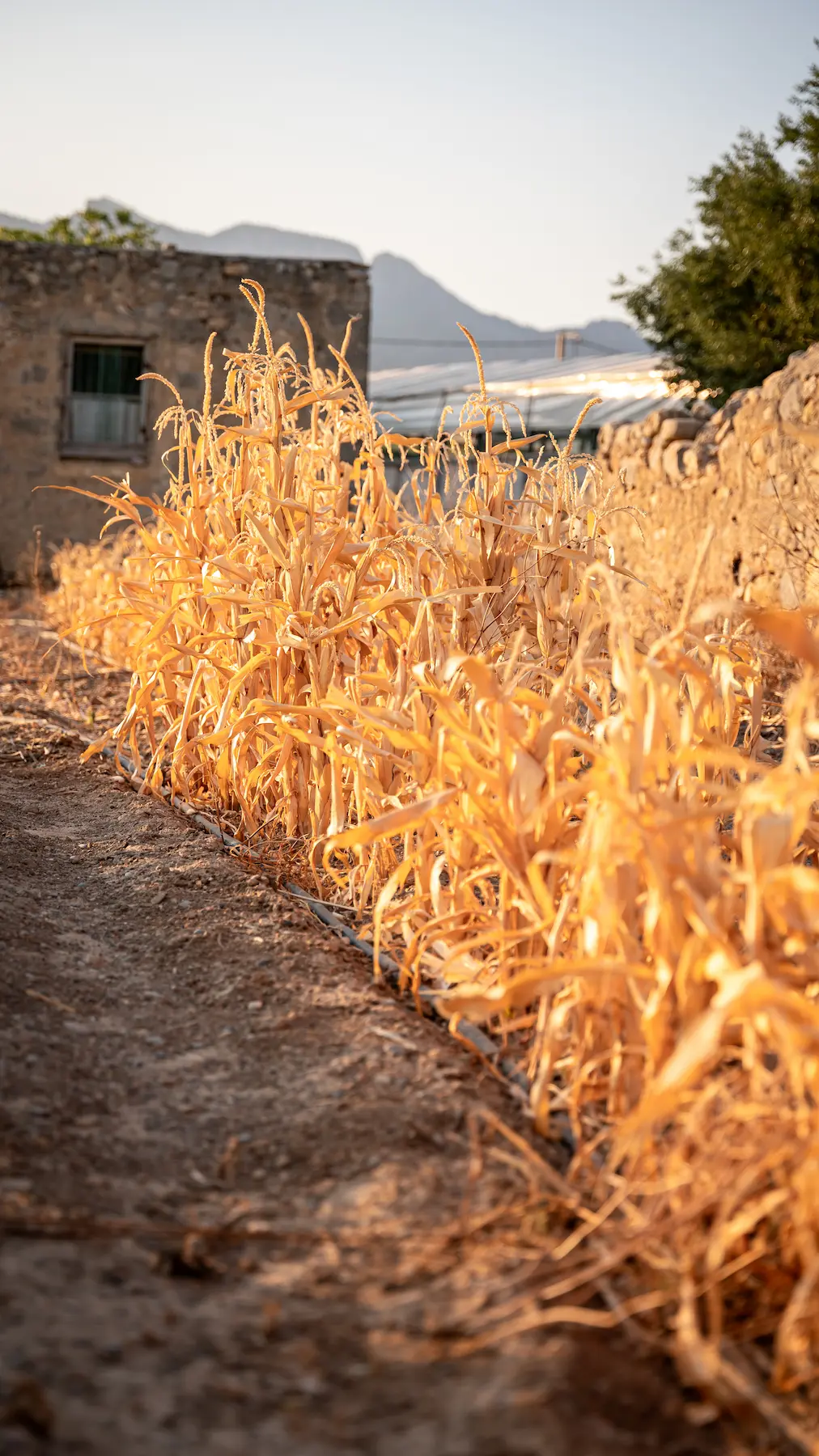
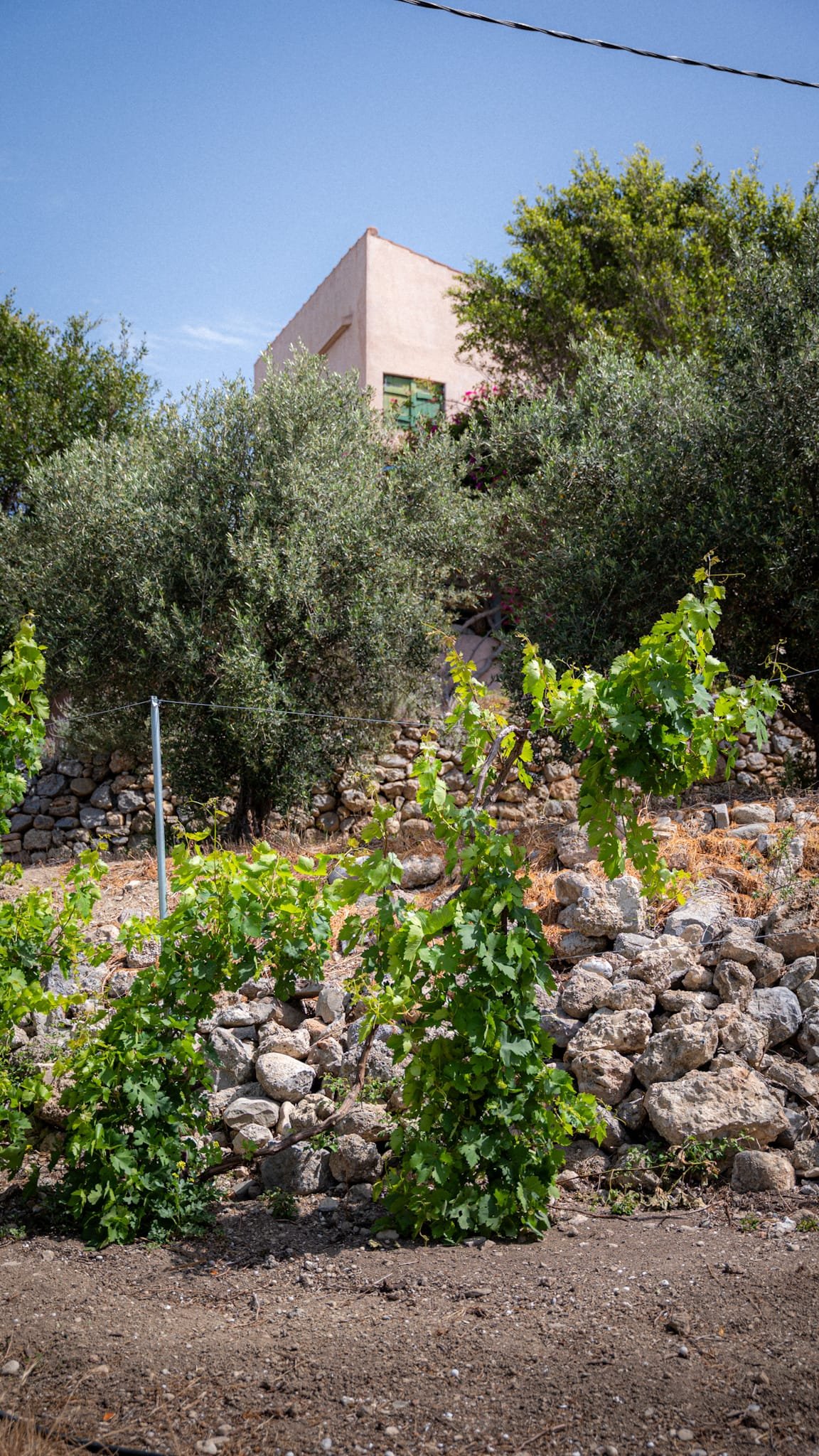
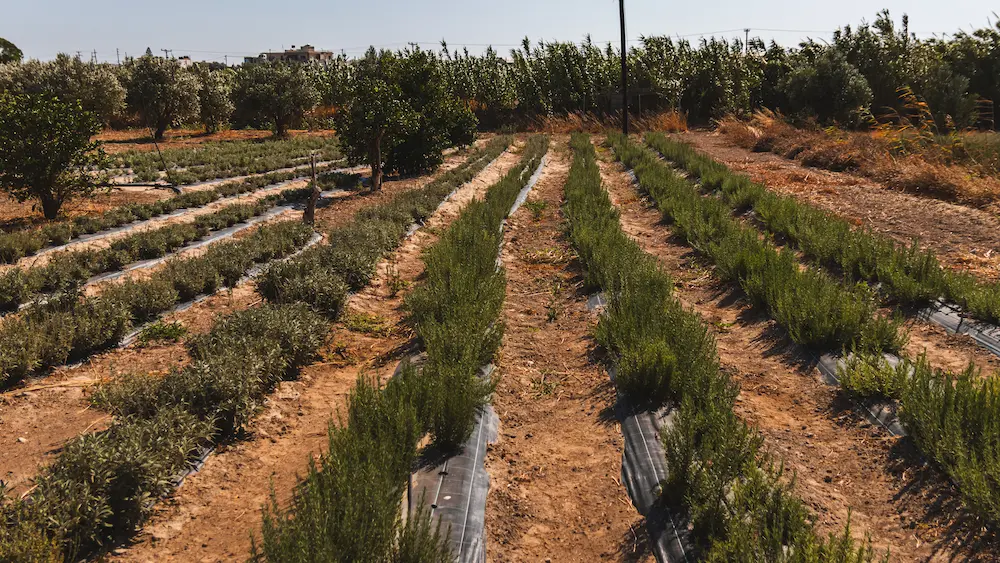
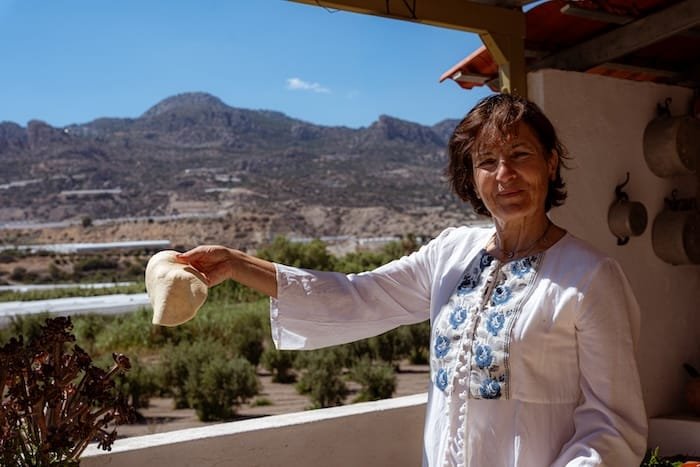
- Organic farming: The estate avoids chemical fertilizers and pesticides, protecting soil health and local biodiversity.
- Water conservation: In a region that can experience drought, the farm uses drip irrigation and collects rainwater to minimise waste.
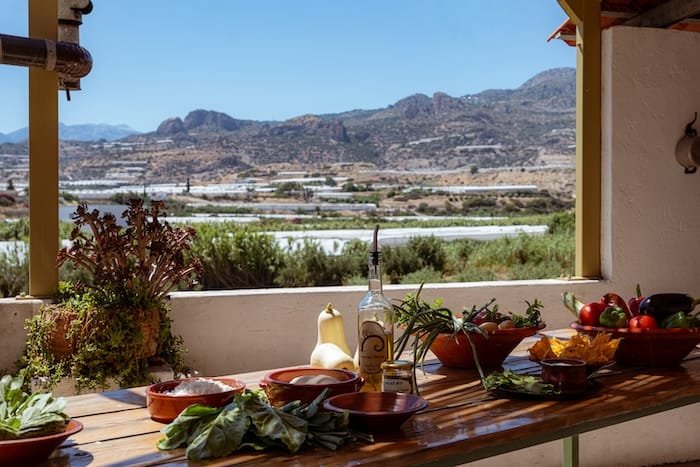
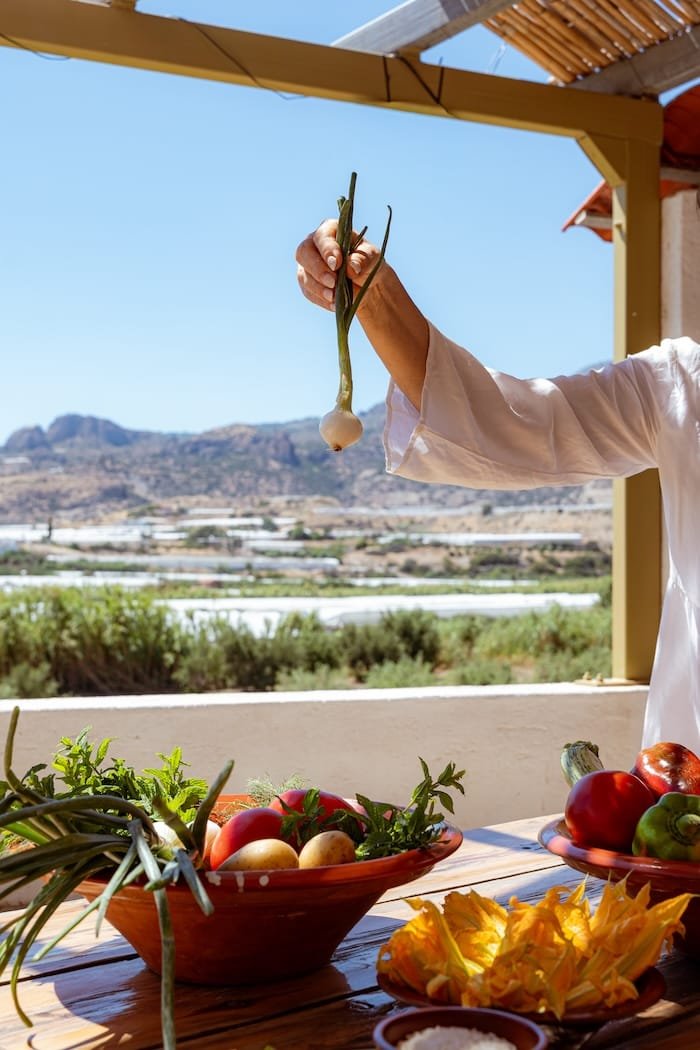
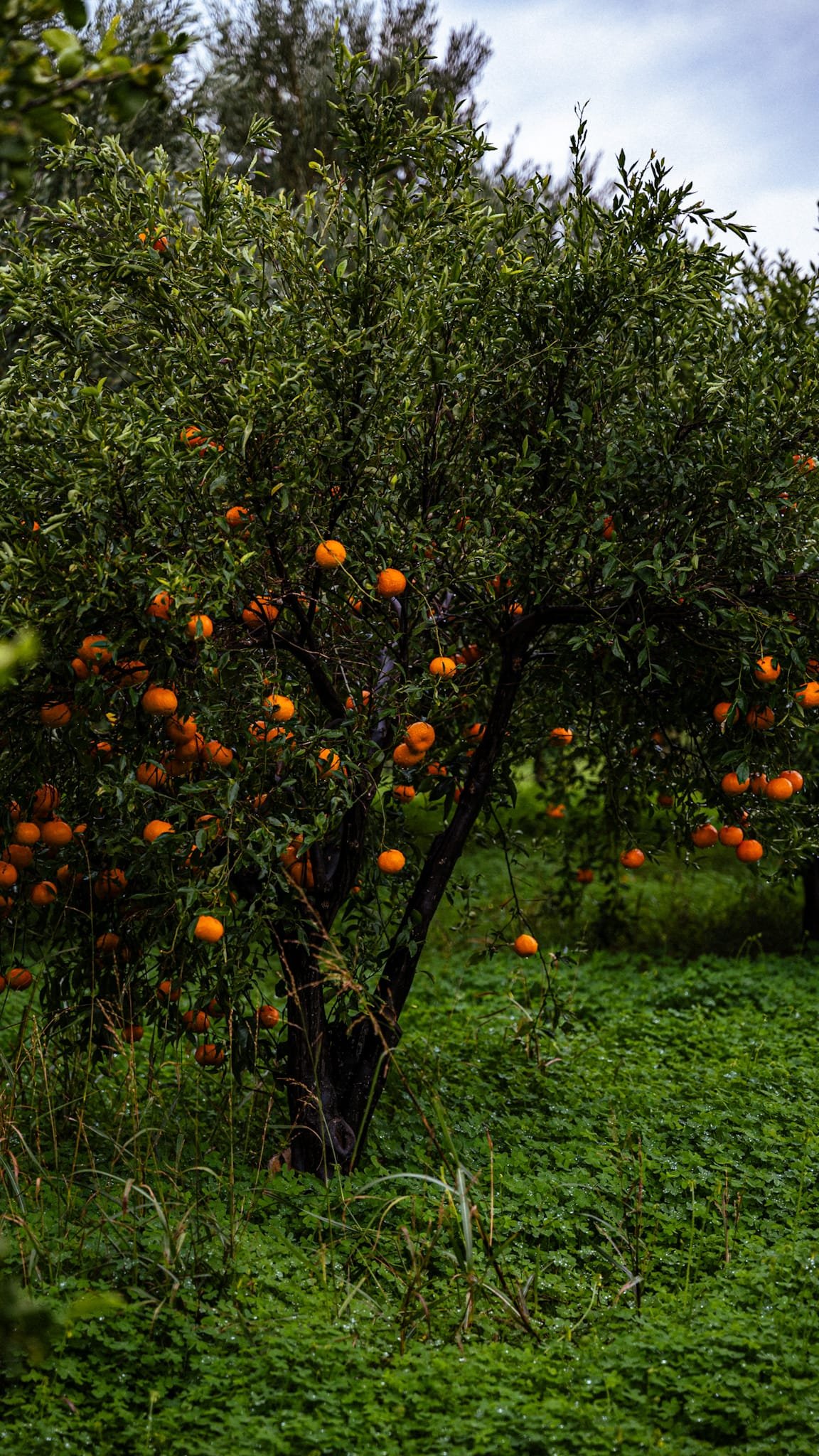
- Zero food miles: Most ingredients are grown on site or sourced from neighbouring farms, reducing transportation emissions.
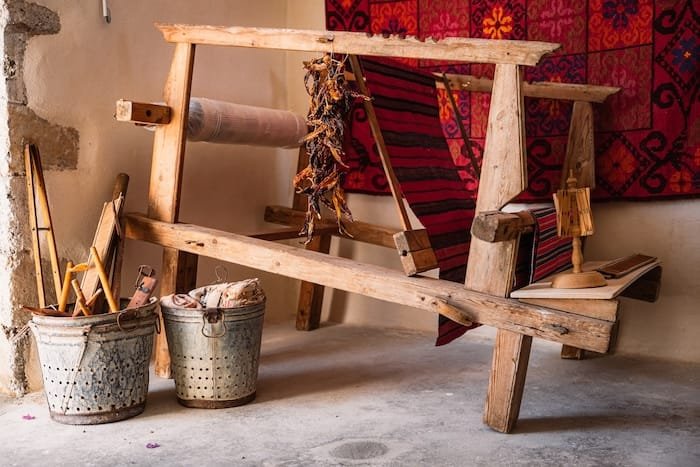
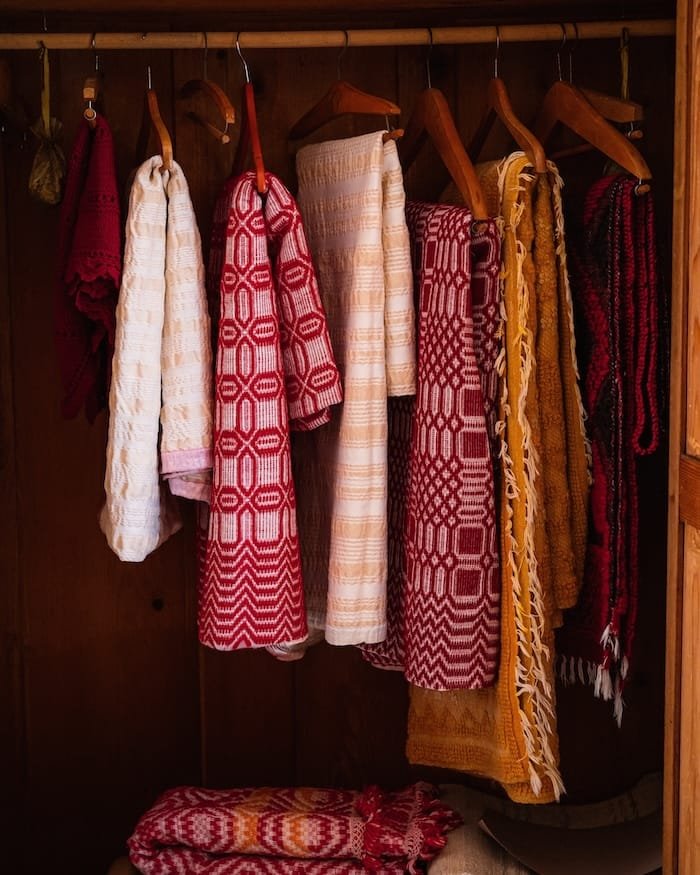
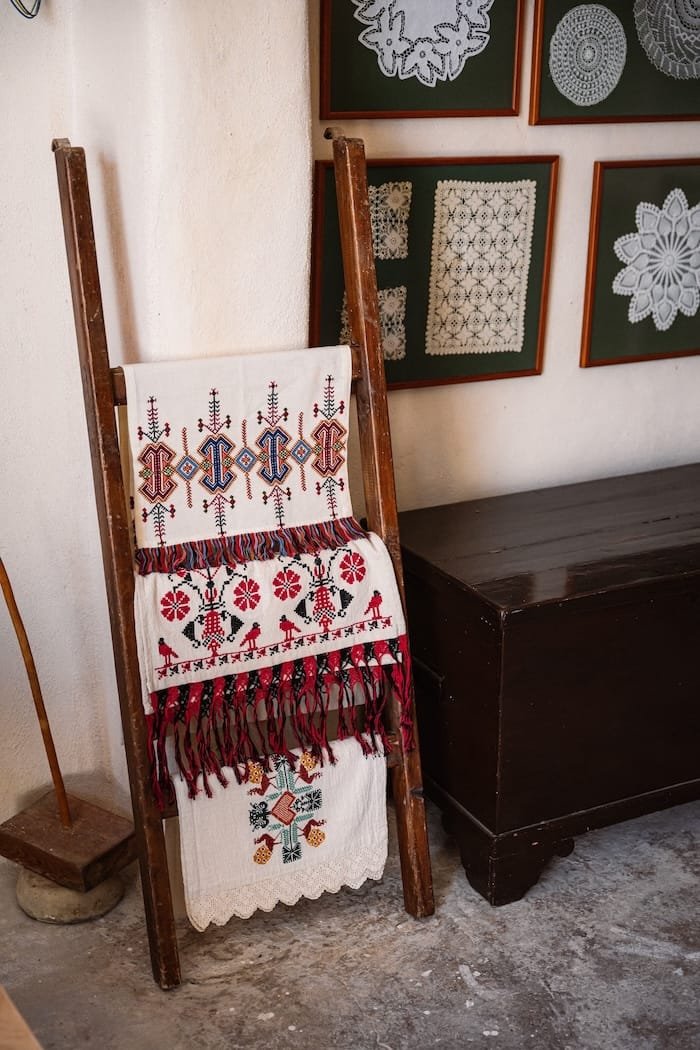
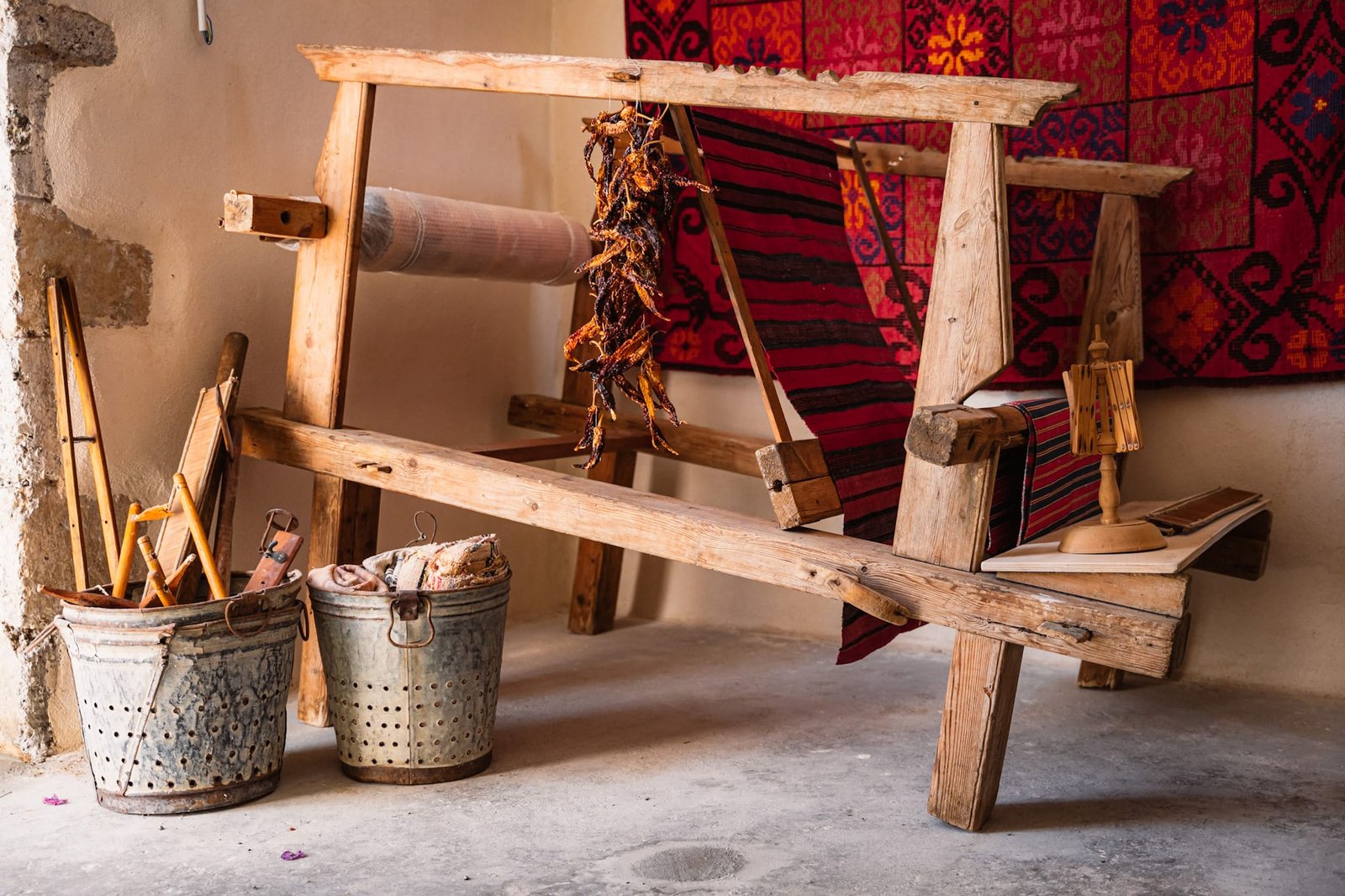
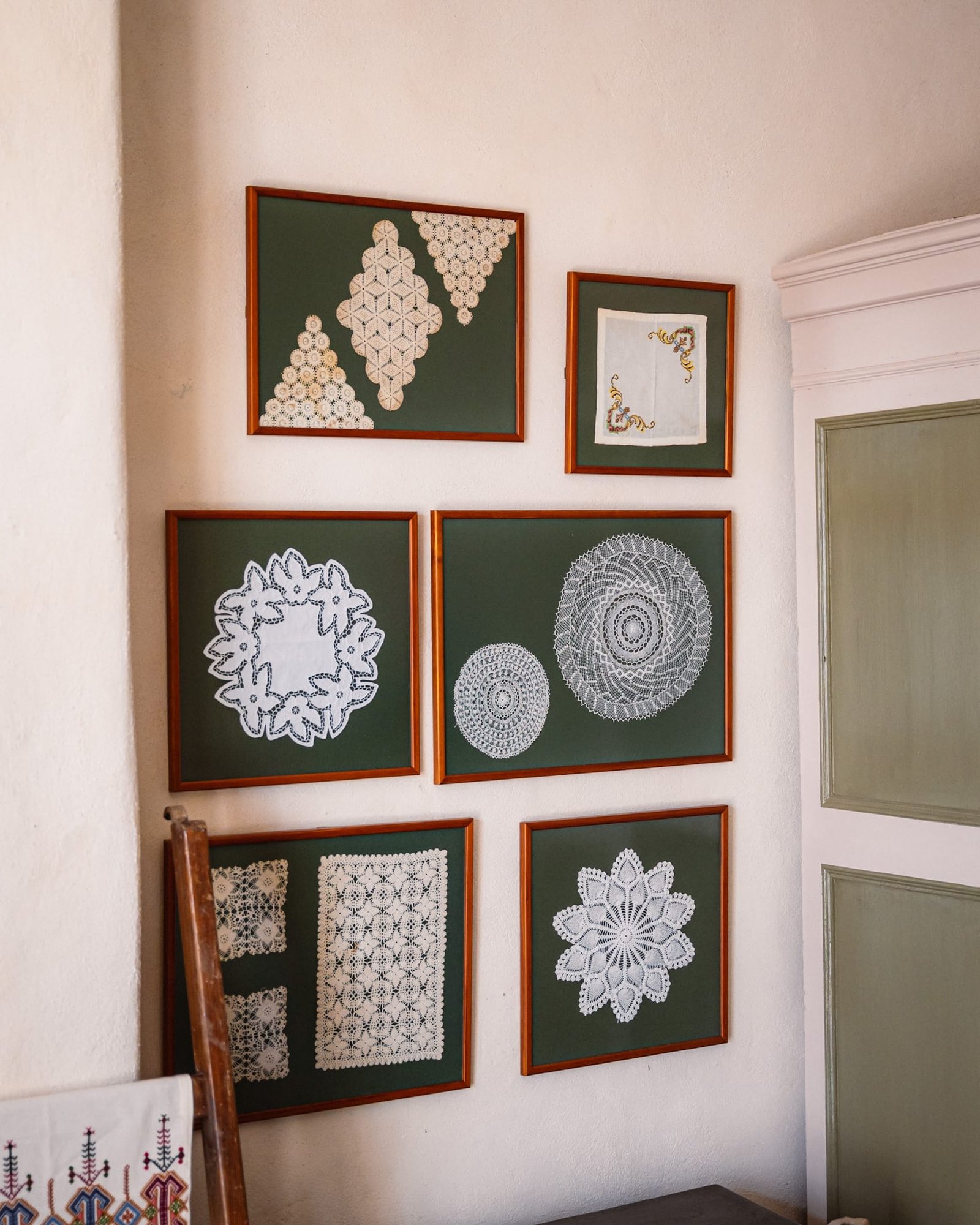
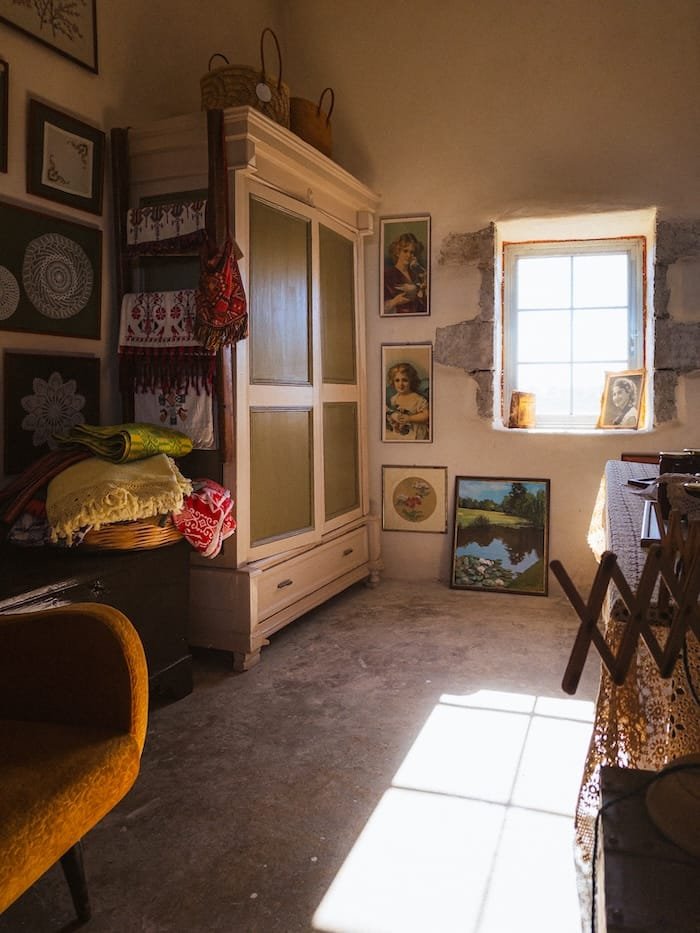
- Heritage preservation: The on‑site folklore museum preserves tools and objects from the past, highlighting sustainable practices like reusable containers and hand tools.
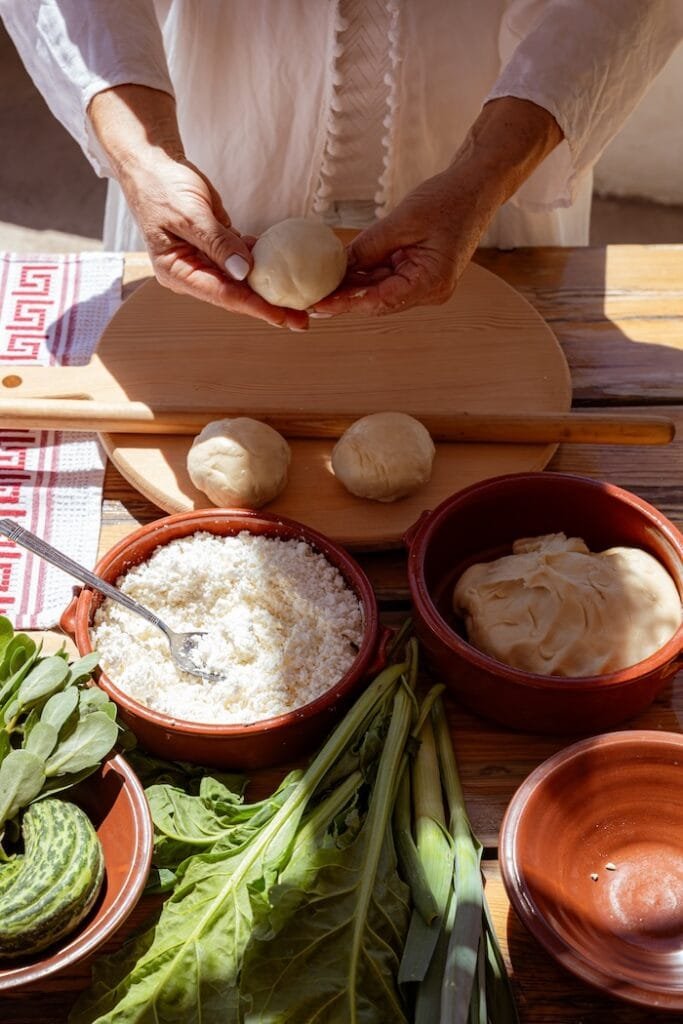
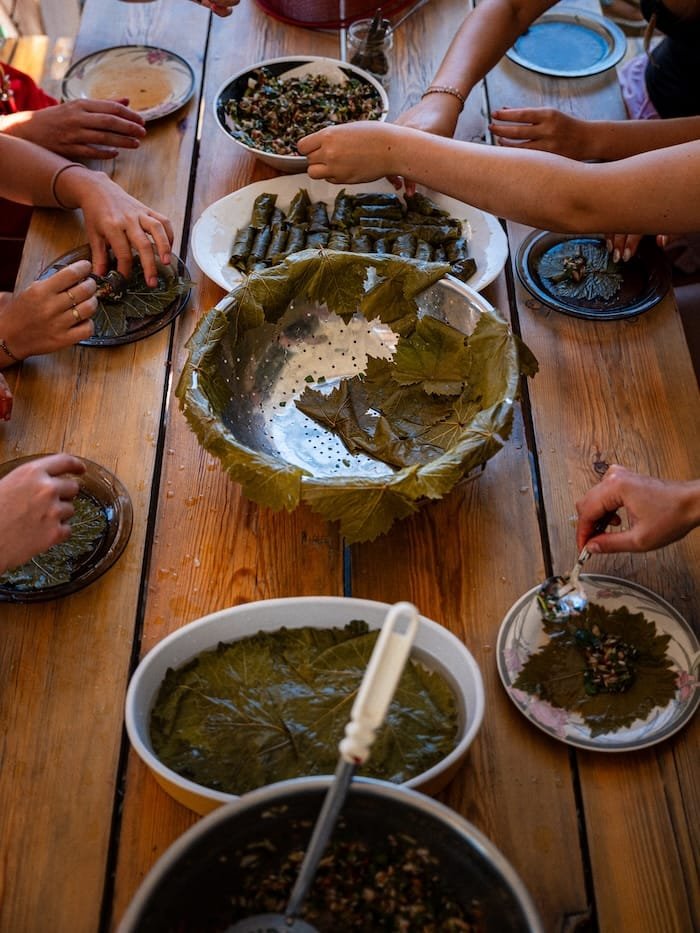
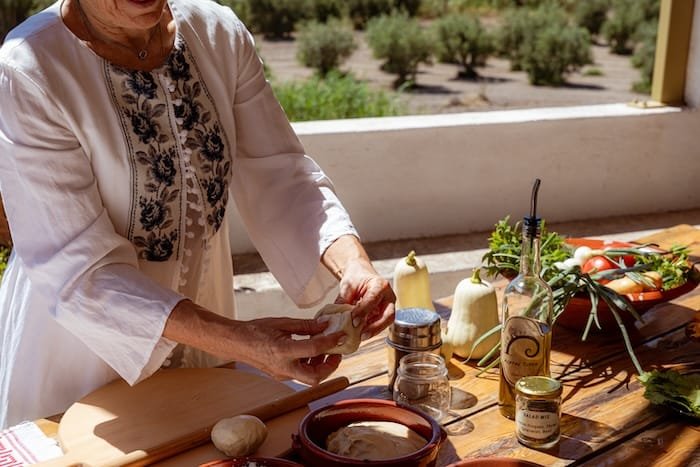
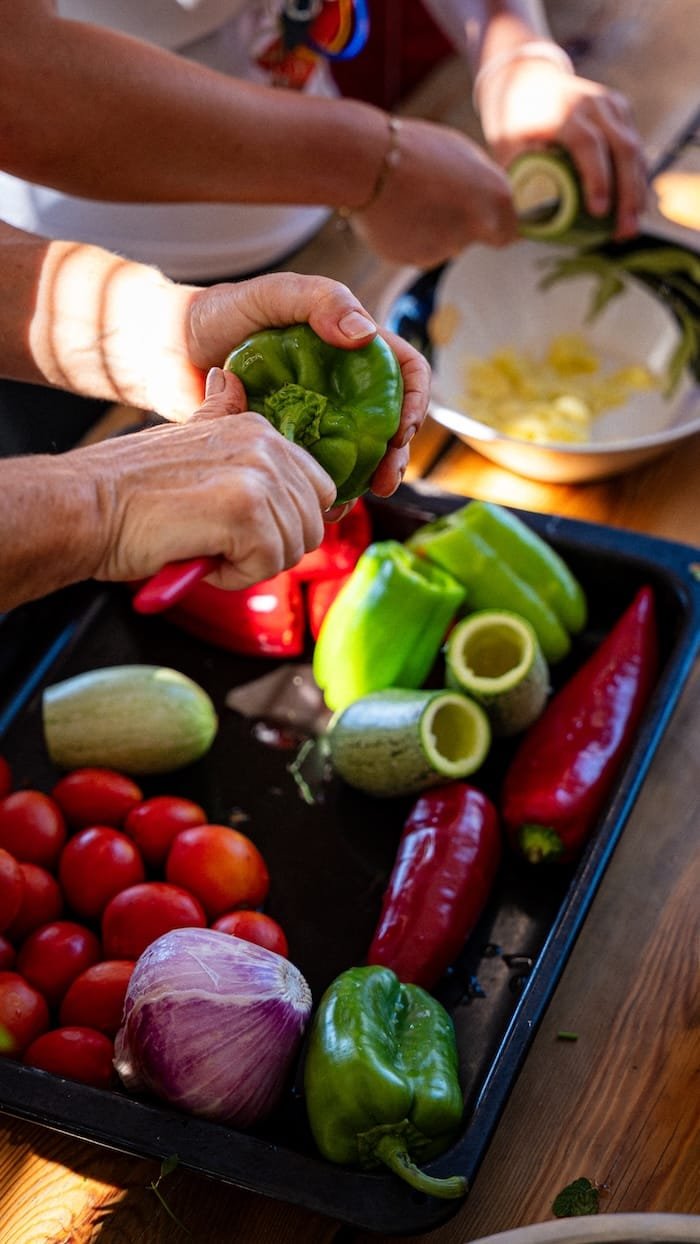
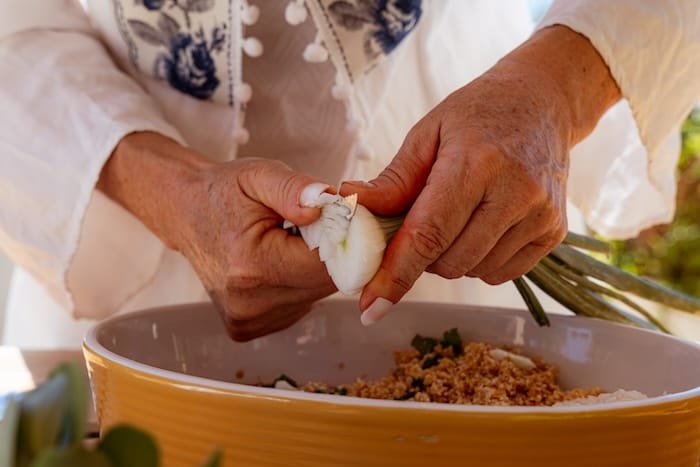
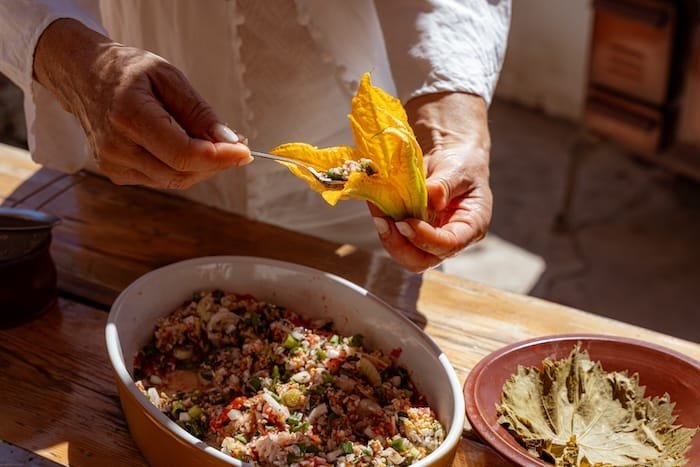
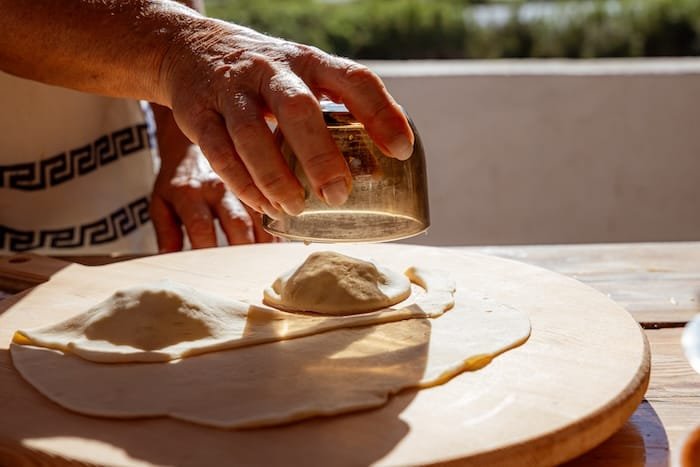
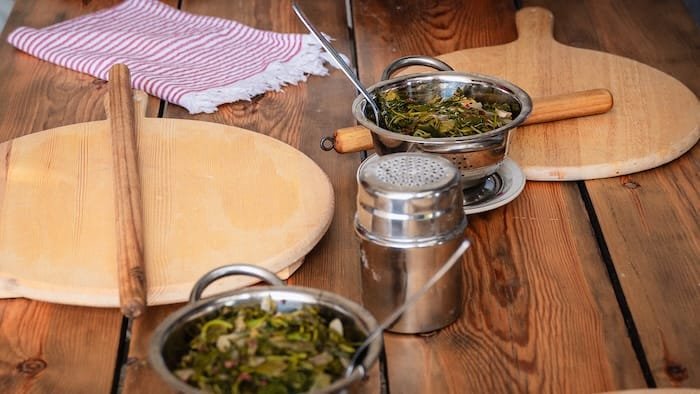
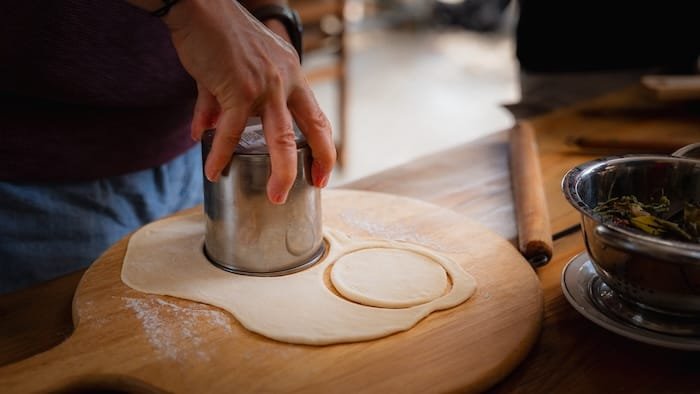
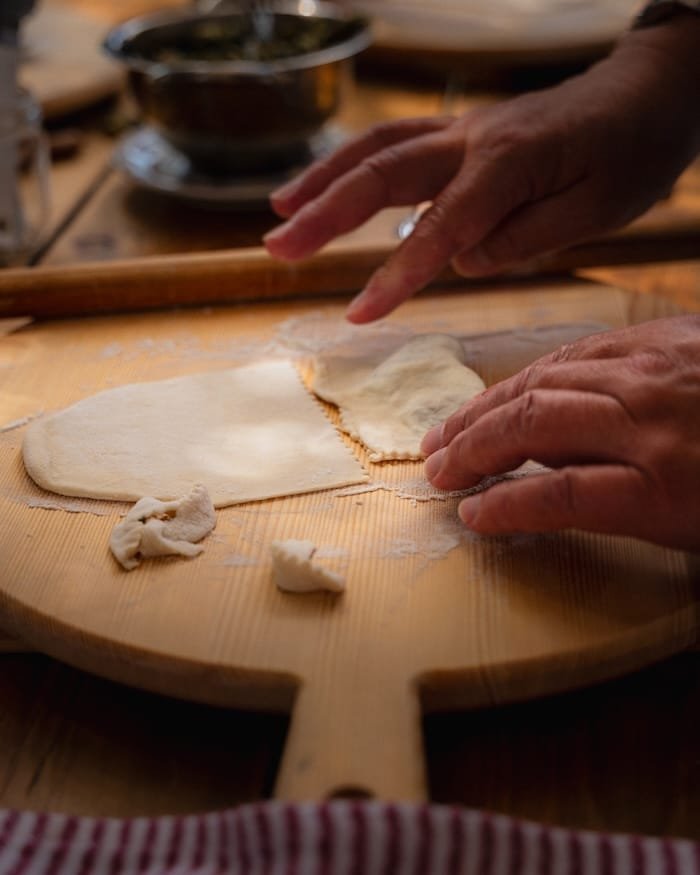
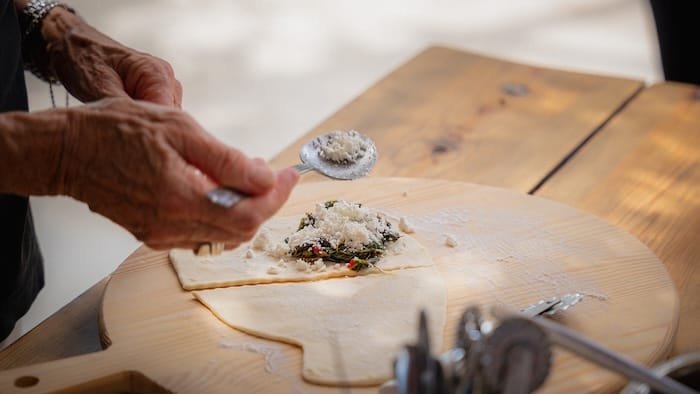
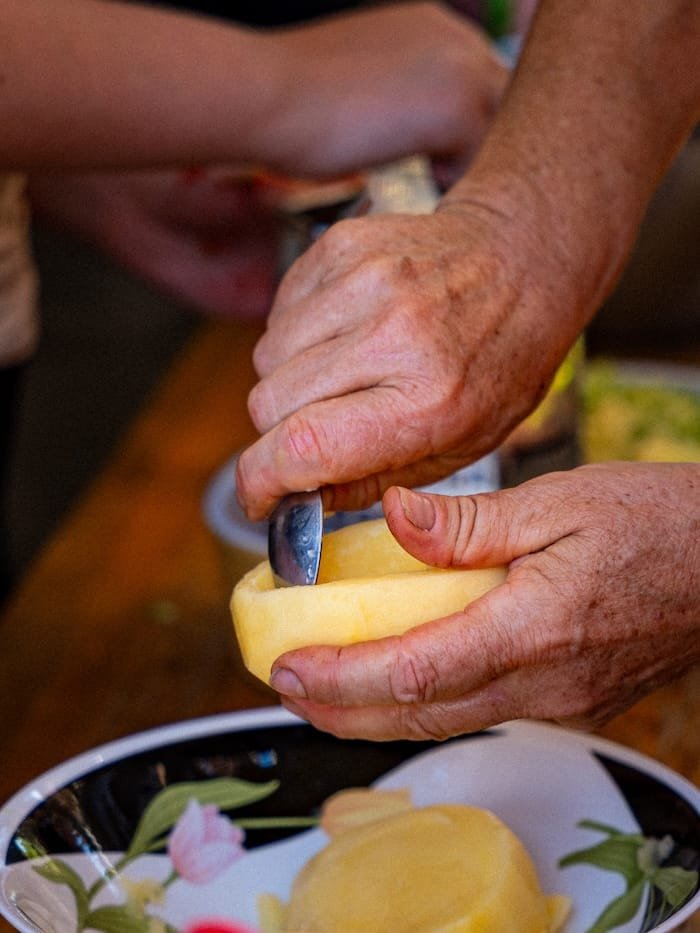
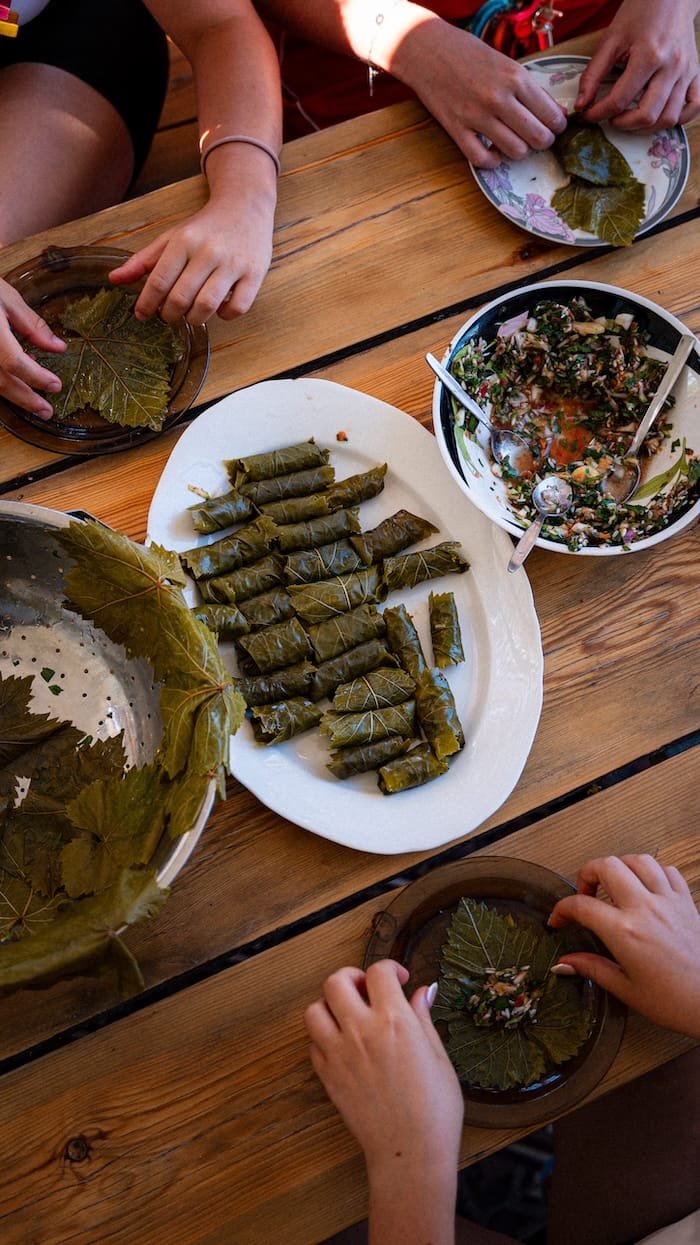
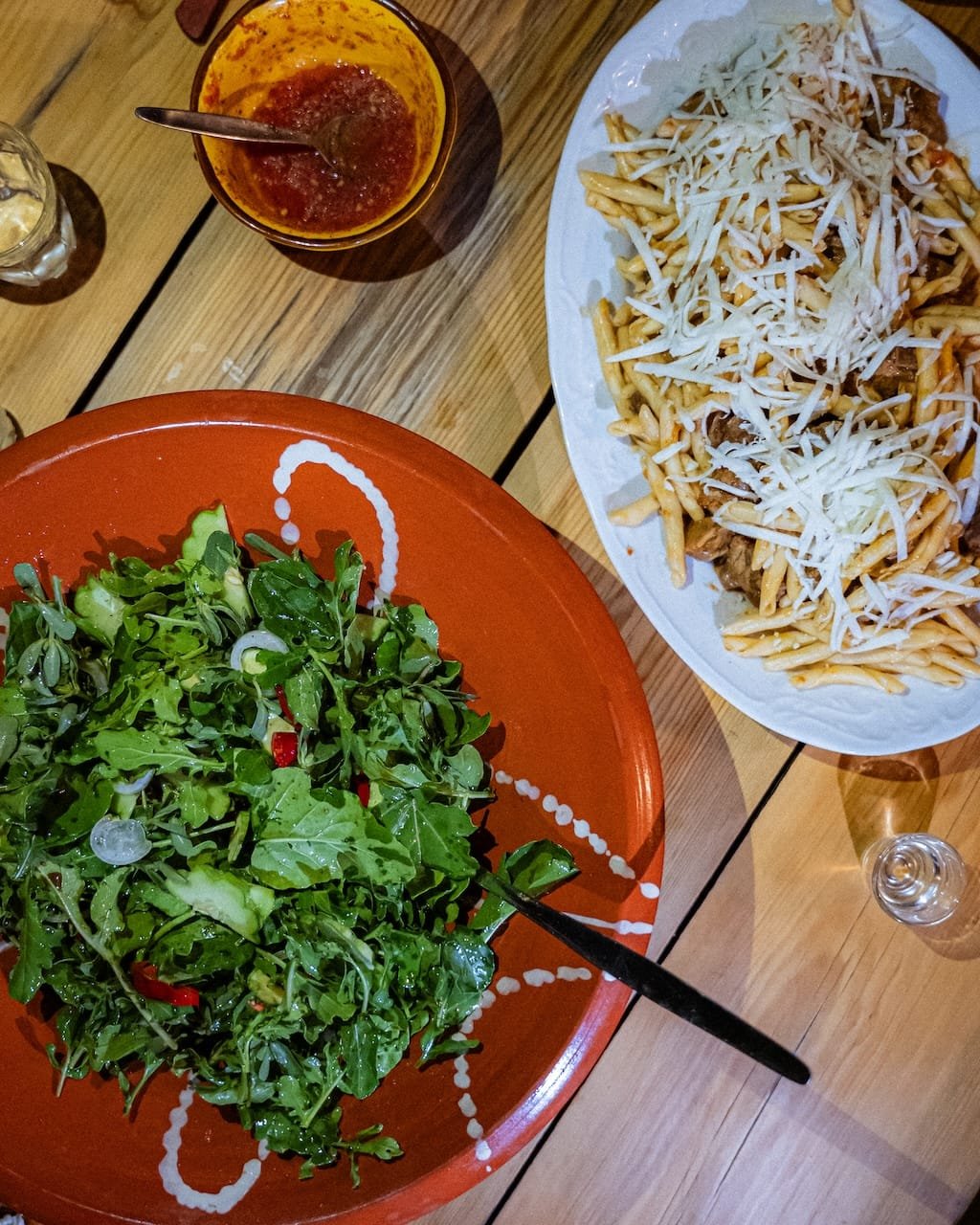
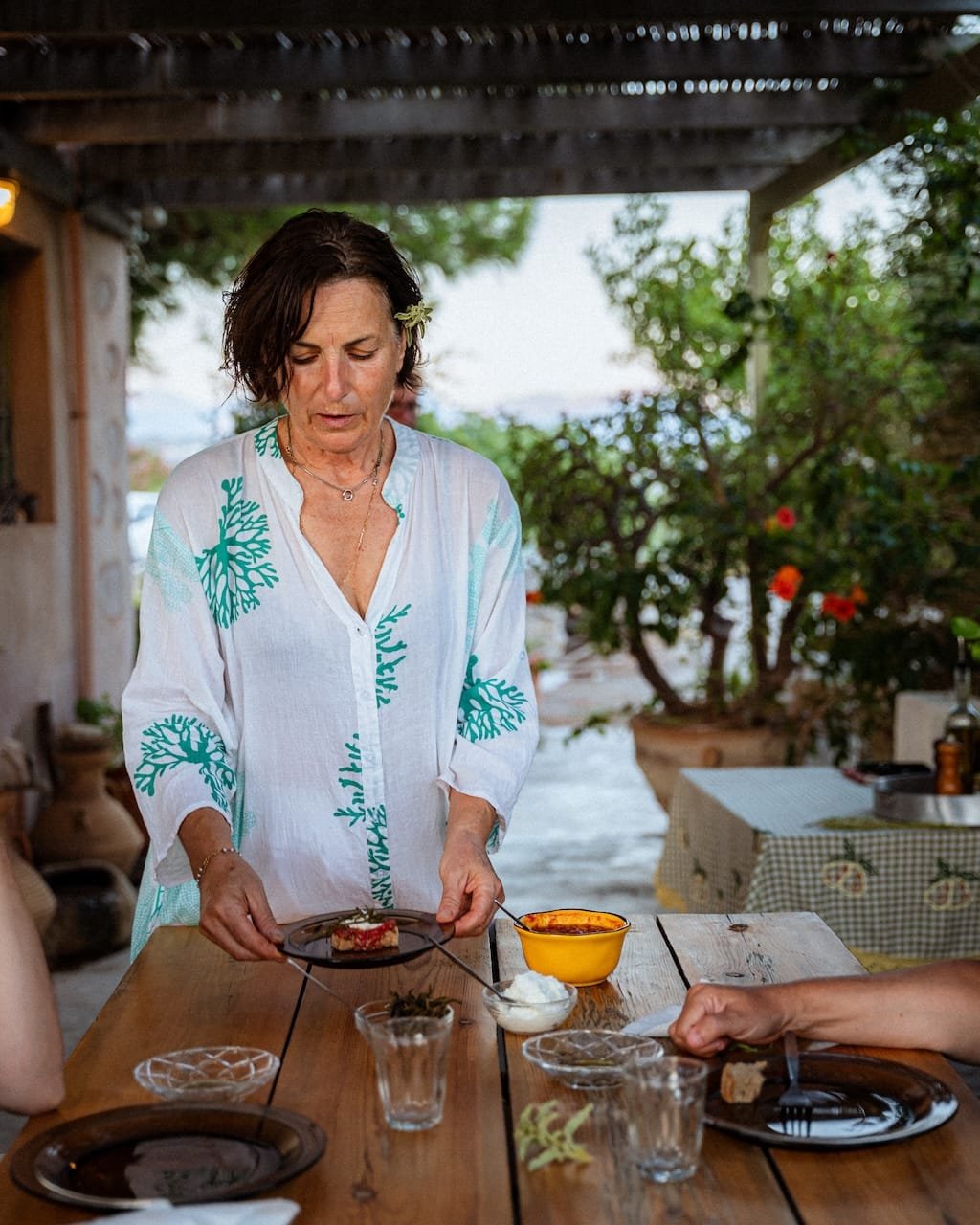
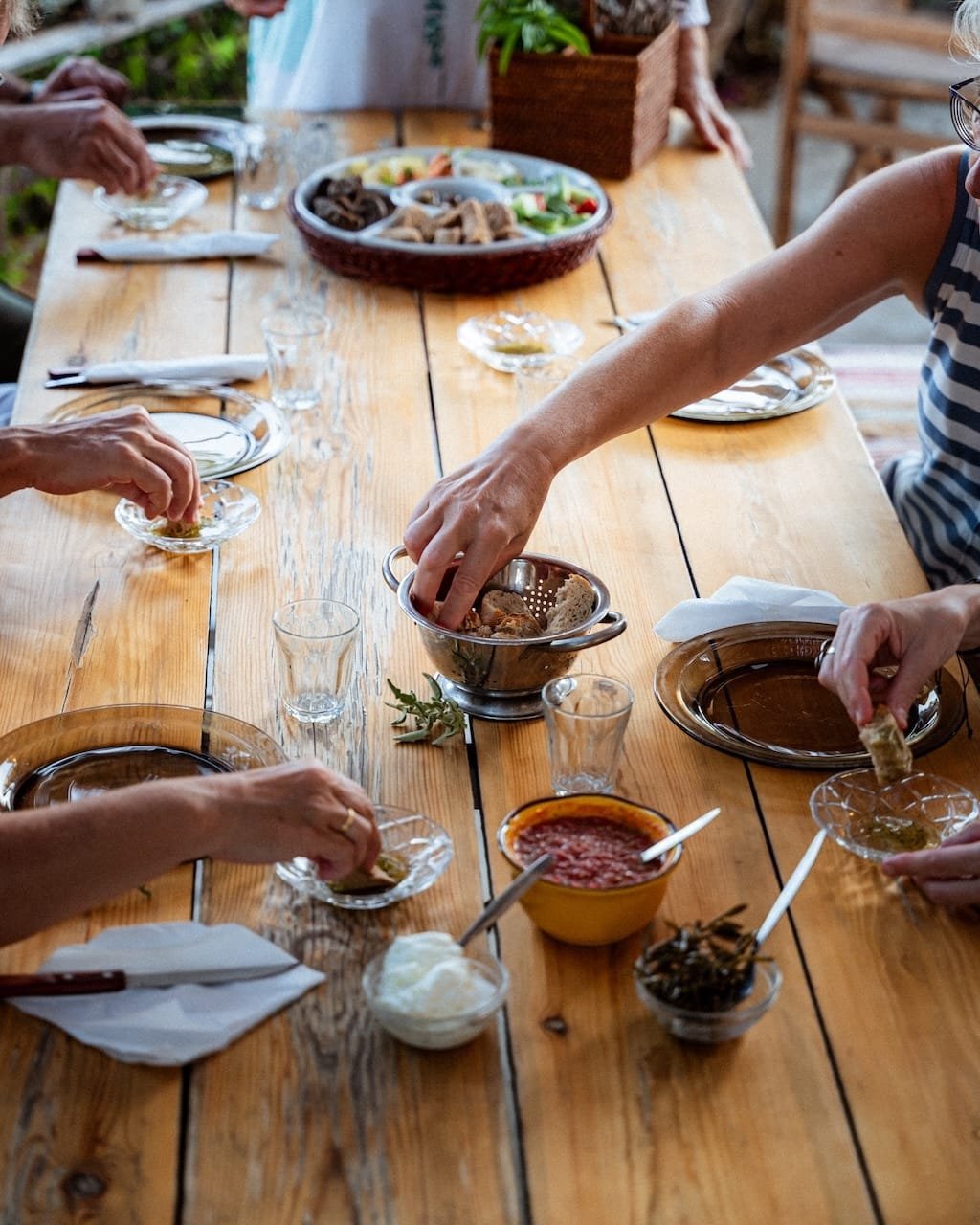
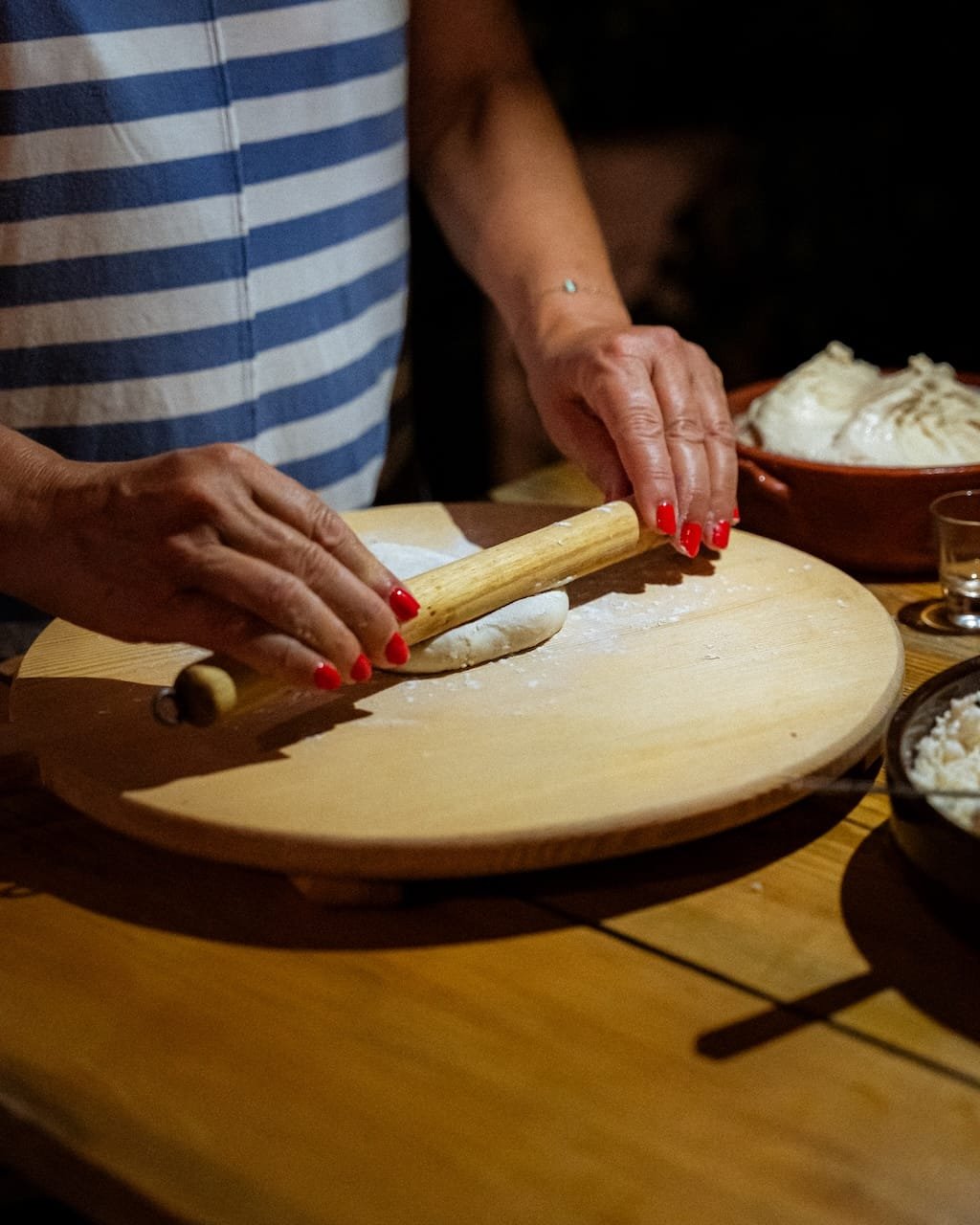
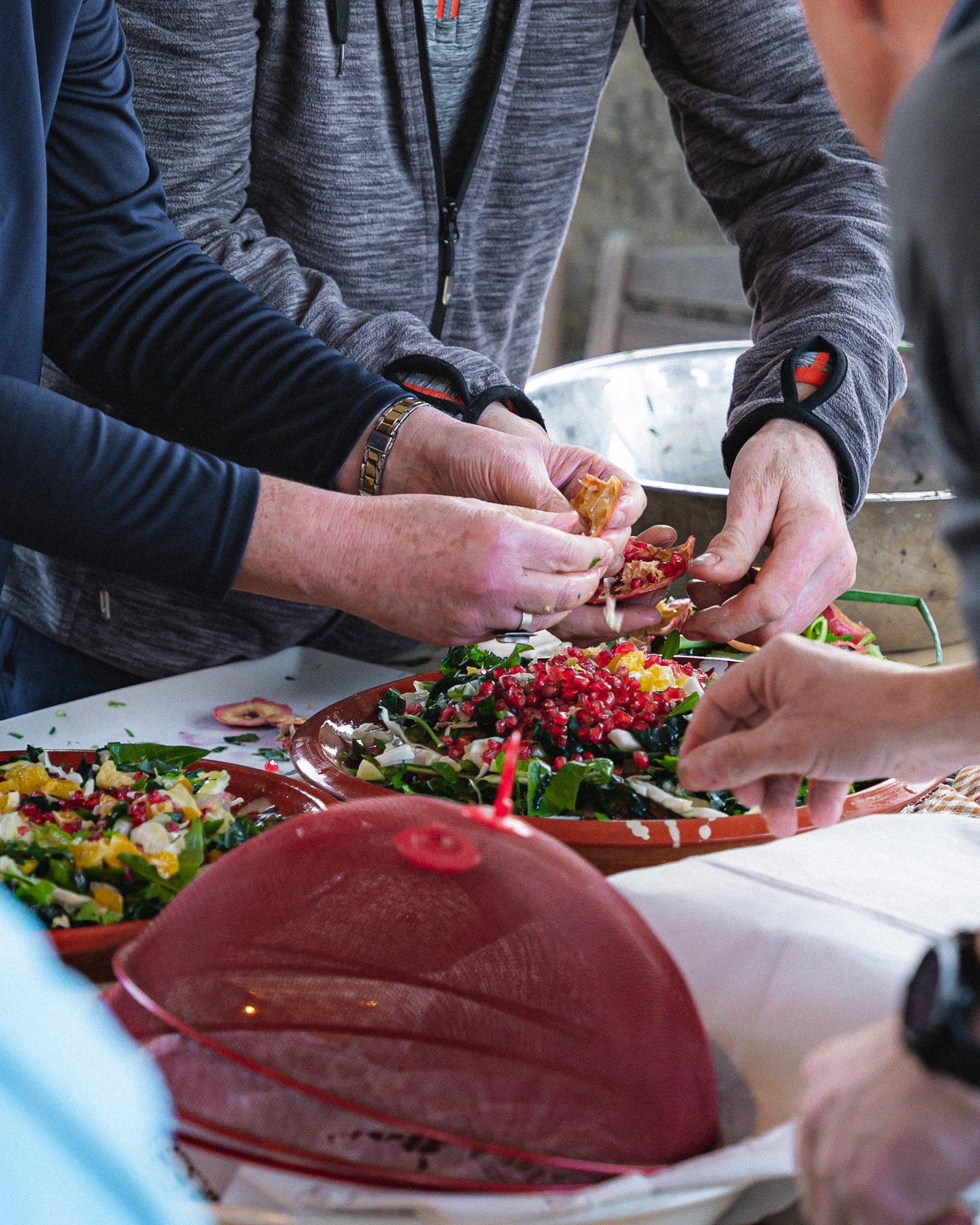
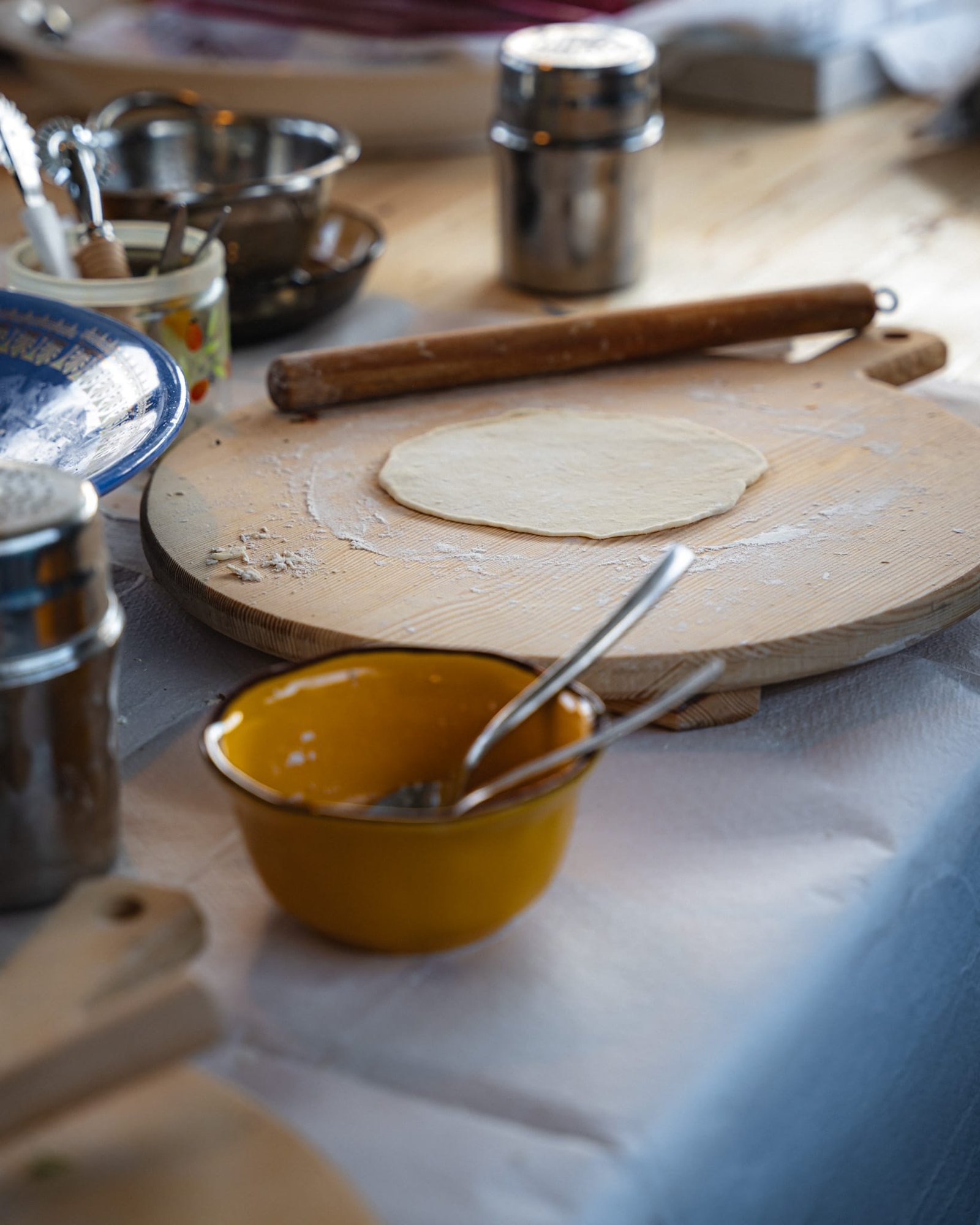
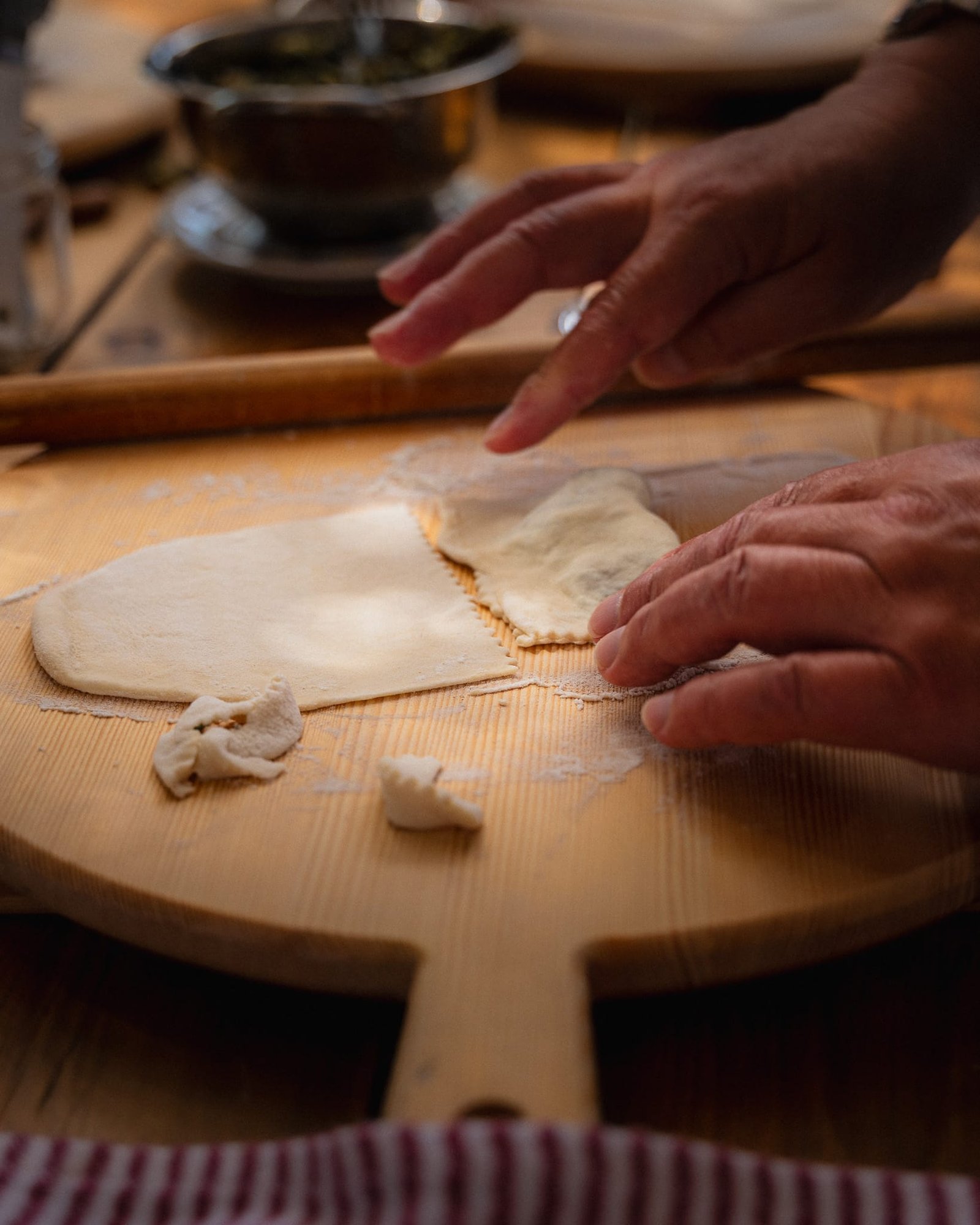
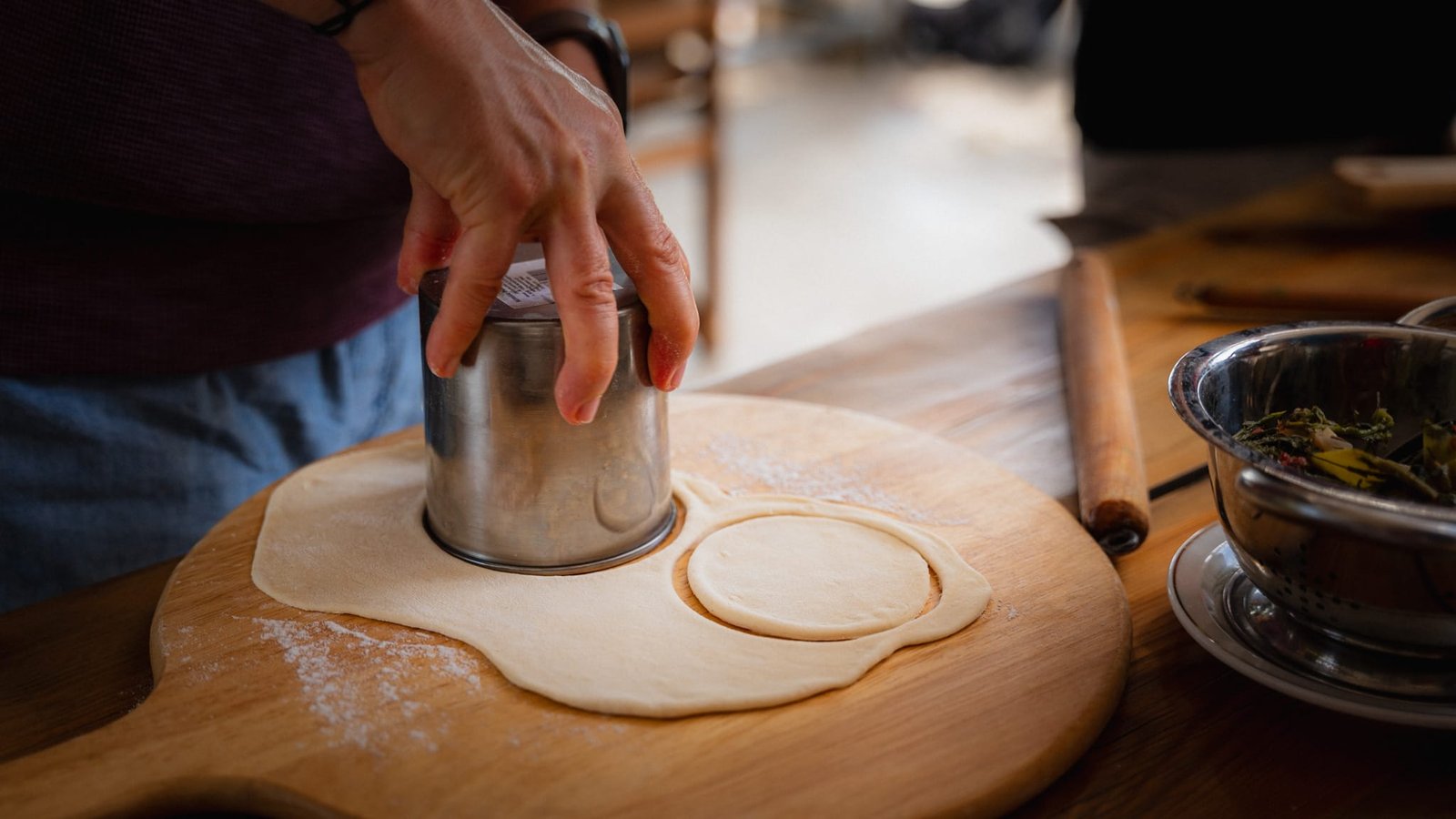
- Education: Cooking classes teach guests to use seasonal, locally sourced ingredients, fostering awareness of sustainable eating.
Supporting the local economy
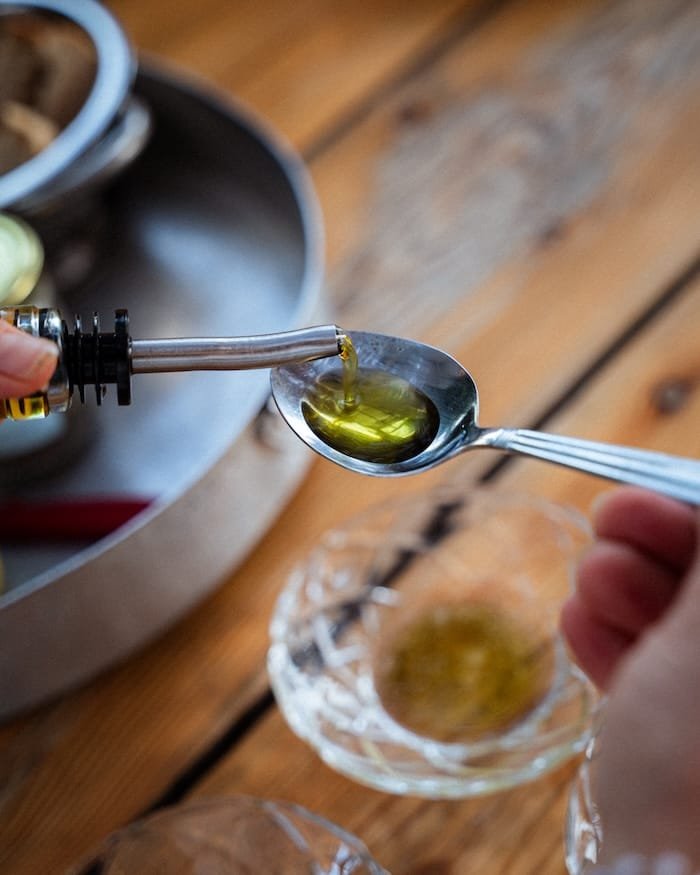
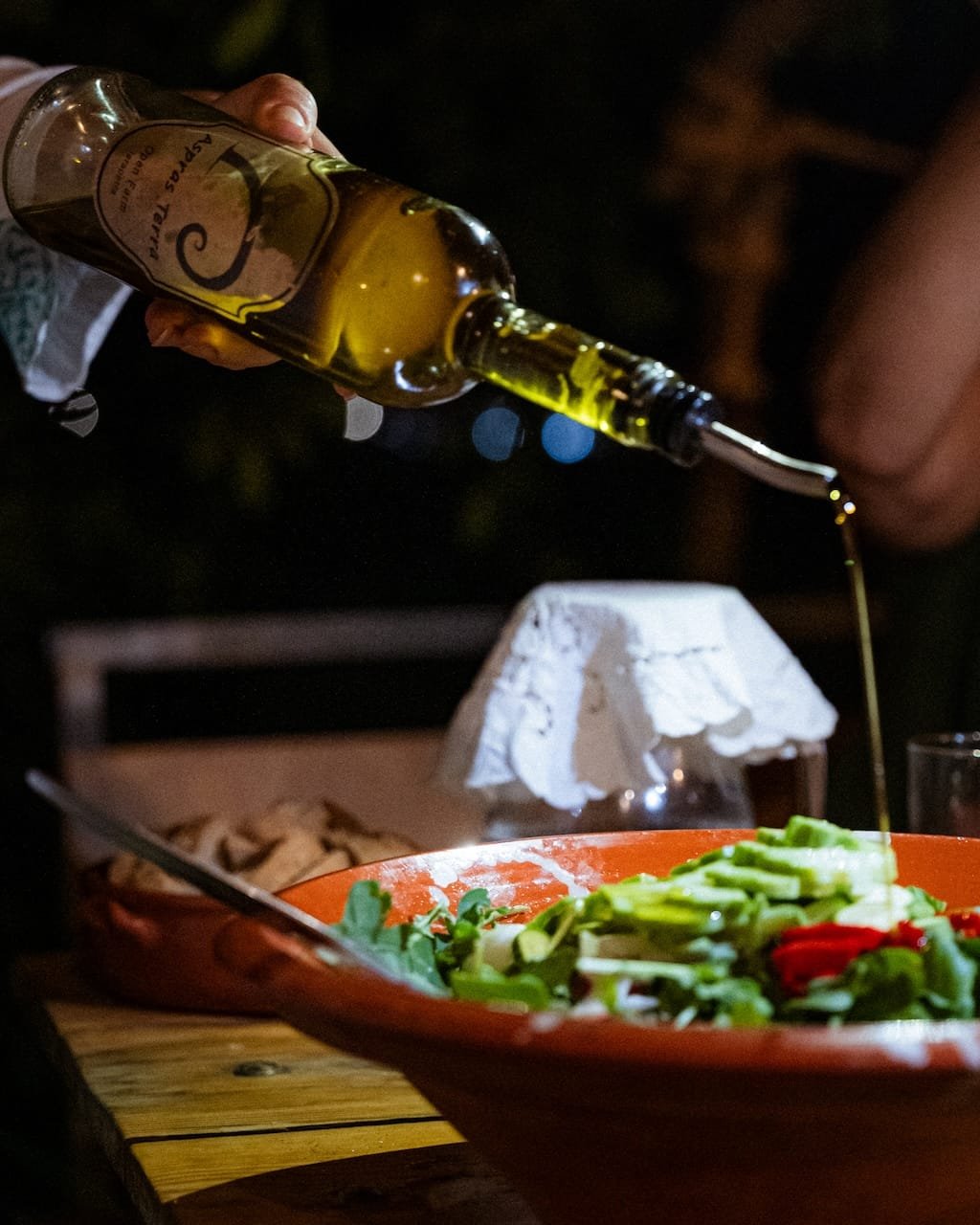
Olive oil remains the most important agricultural product of Crete. Income from olive oil is three times greater than that from other crops. When travellers book experiences like the Aspras Terra cooking class, they support this vital sector and ensure that small farms continue to thrive. The farm’s commitment to fair wages and community partnerships exemplifies responsible tourism.
Cultural preservation
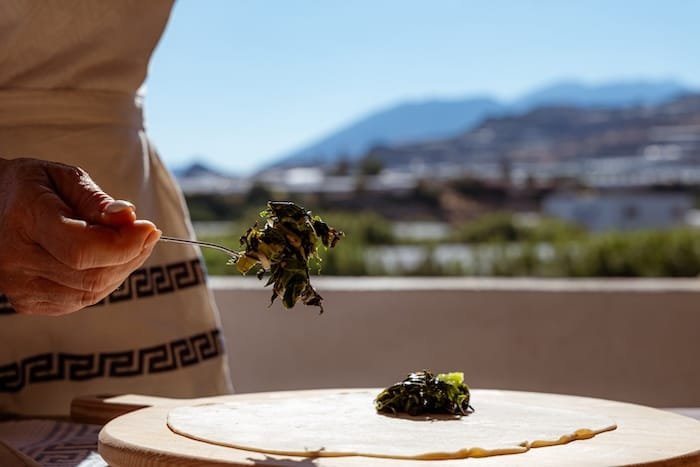
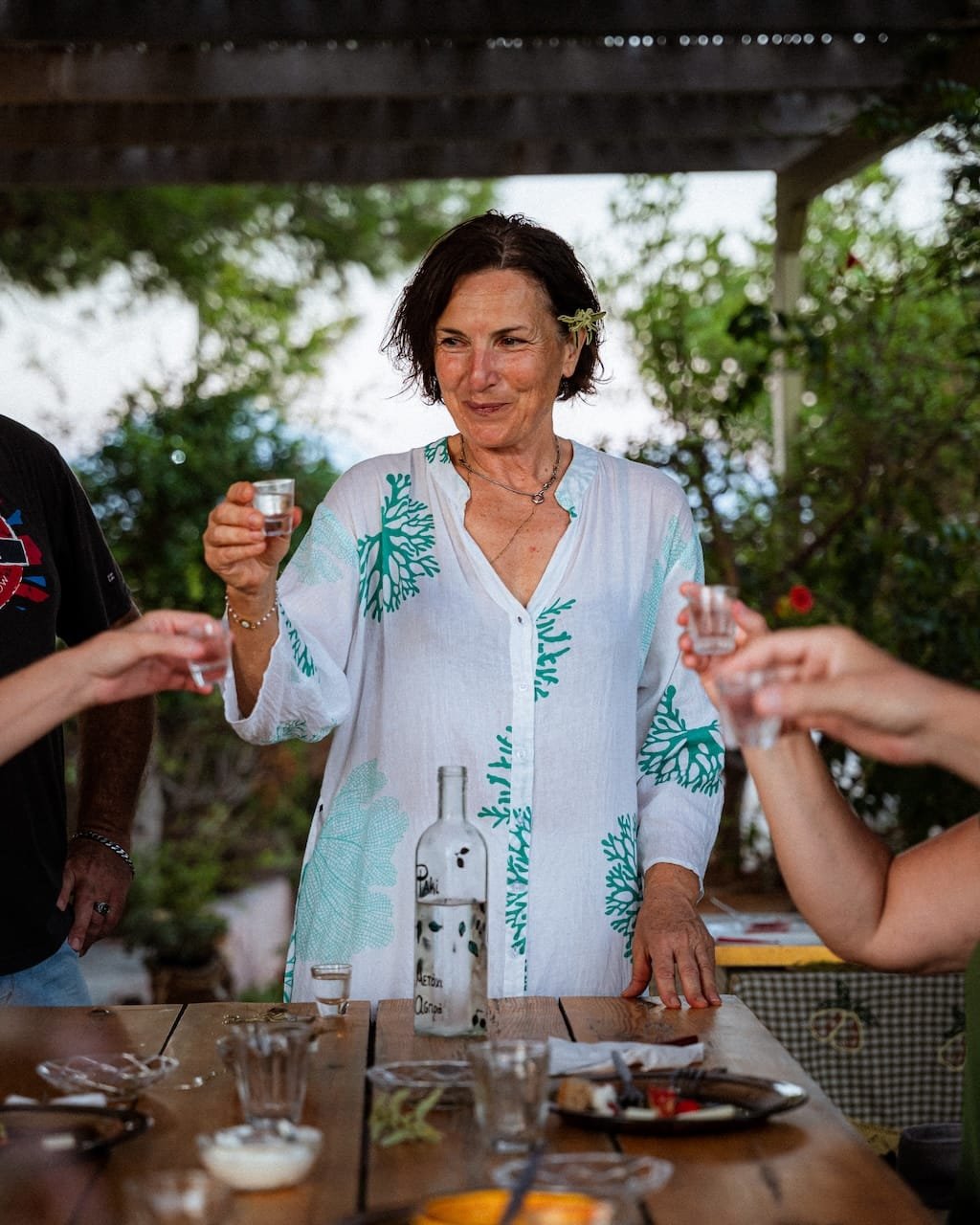
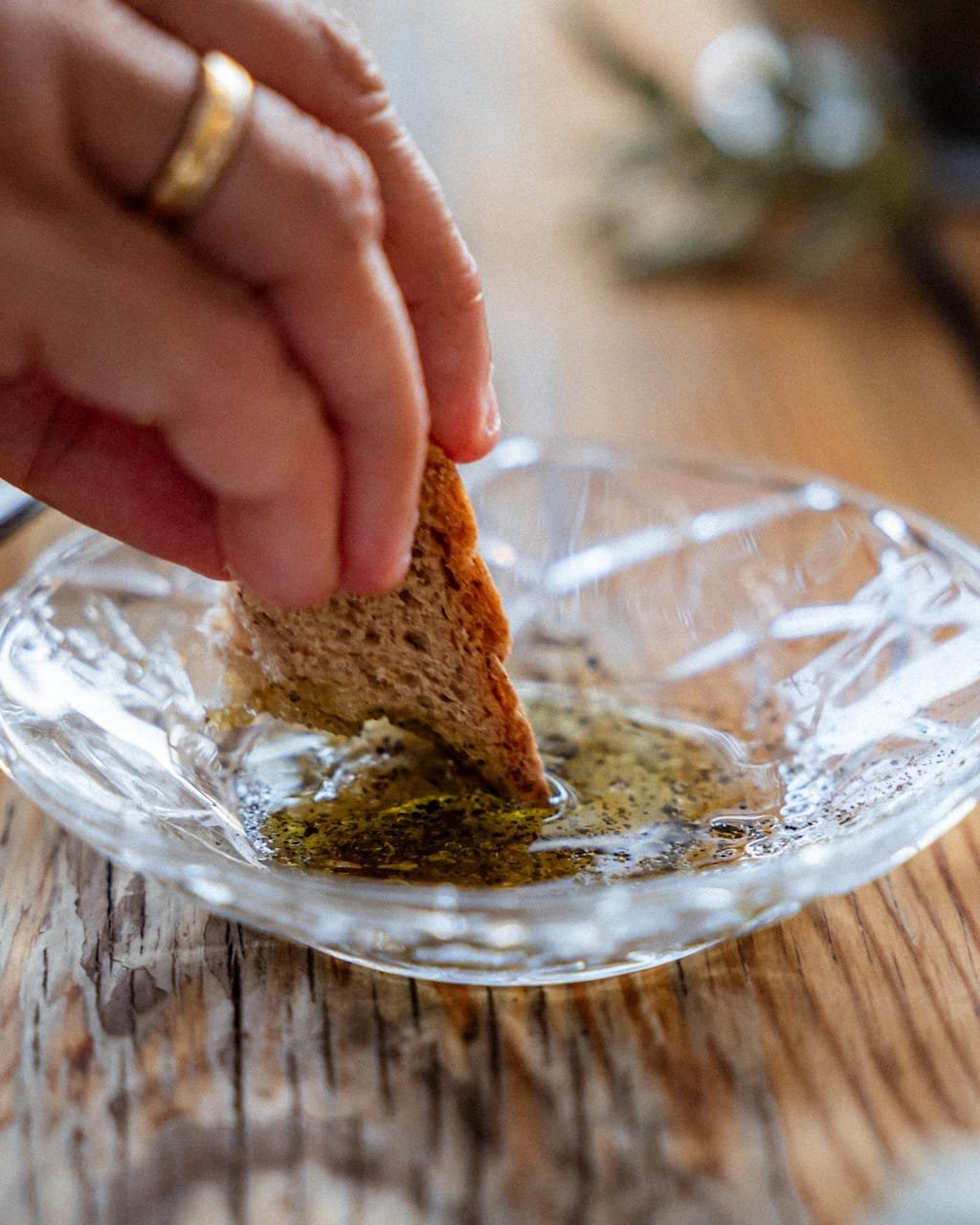
Food is a repository of history and identity. Olive oil symbolizes hospitality, tradition and connection to the land. At Aspras Terra, cooking classes pass down recipes and techniques that might otherwise fade as younger generations move to cities. Participants learn about the symbolic and practical roles of olive oil – from its use in preserving food to its significance in religious rituals.
Tips for eco‑conscious travelers
– Choose low‑impact transport: Carpool or use electric vehicles when travelling to rural sites.
– Respect local customs: Ask before taking photos of people or private homes; dress modestly and follow farm rules.
– Reduce waste: Bring a reusable water bottle and avoid single‑use plastics.
– Buy local: Purchase olive oil, herbs or handmade products directly from producers to support the local economy.
– Share your experience: Write reviews and tell friends about responsible businesses. Your words help other travellers make ethical choices.
Conclusion
Sustainable slow food experiences like the Aspras Terra cooking class offer a powerful combination of learning, pleasure and ethical travel. By choosing activities that respect the environment, support local communities and preserve cultural heritage, travellers can enjoy Crete while leaving a positive impact.
Aspras Terra Agriculture Experience, Activities in Ierapetra Crete Greece, follow us on Instagram or Facebook to learn more about our activities and upcoming events!