





















Farm-to-Table in Crete: How Aspras Terra Brings the Cretan Diet to Life
Farm-to-Table in Crete
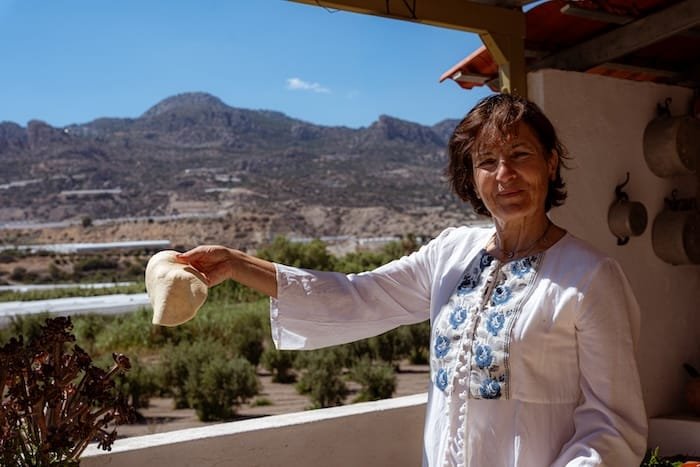
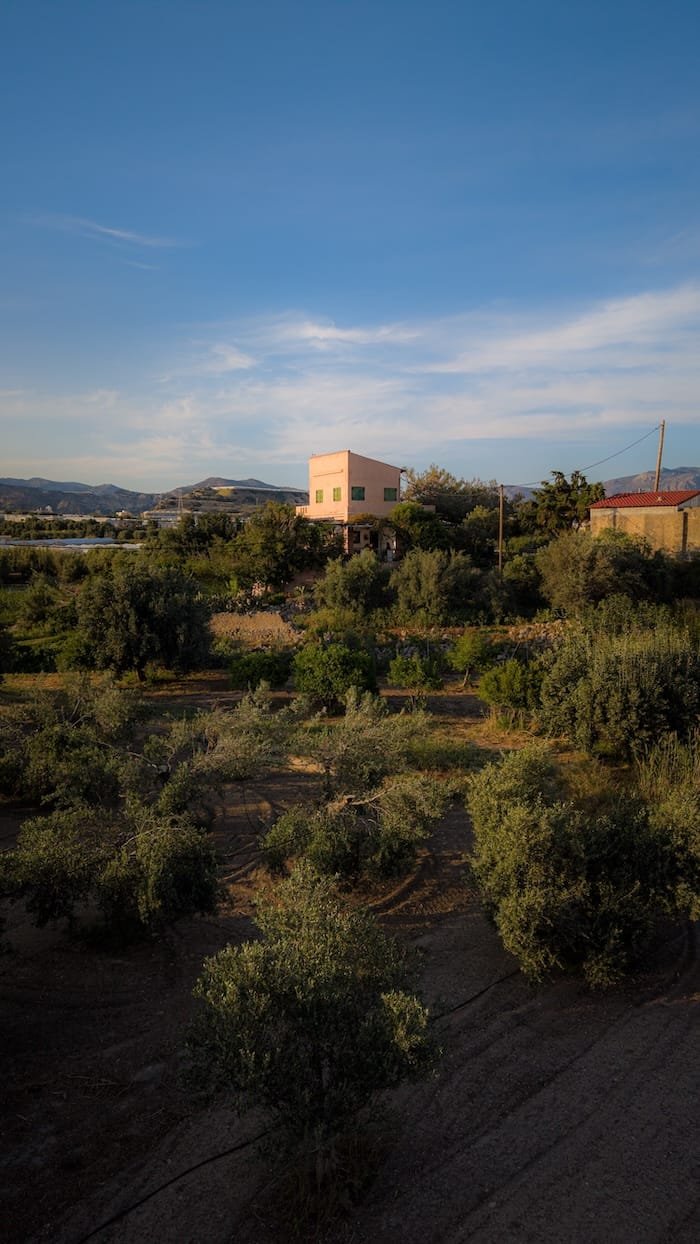
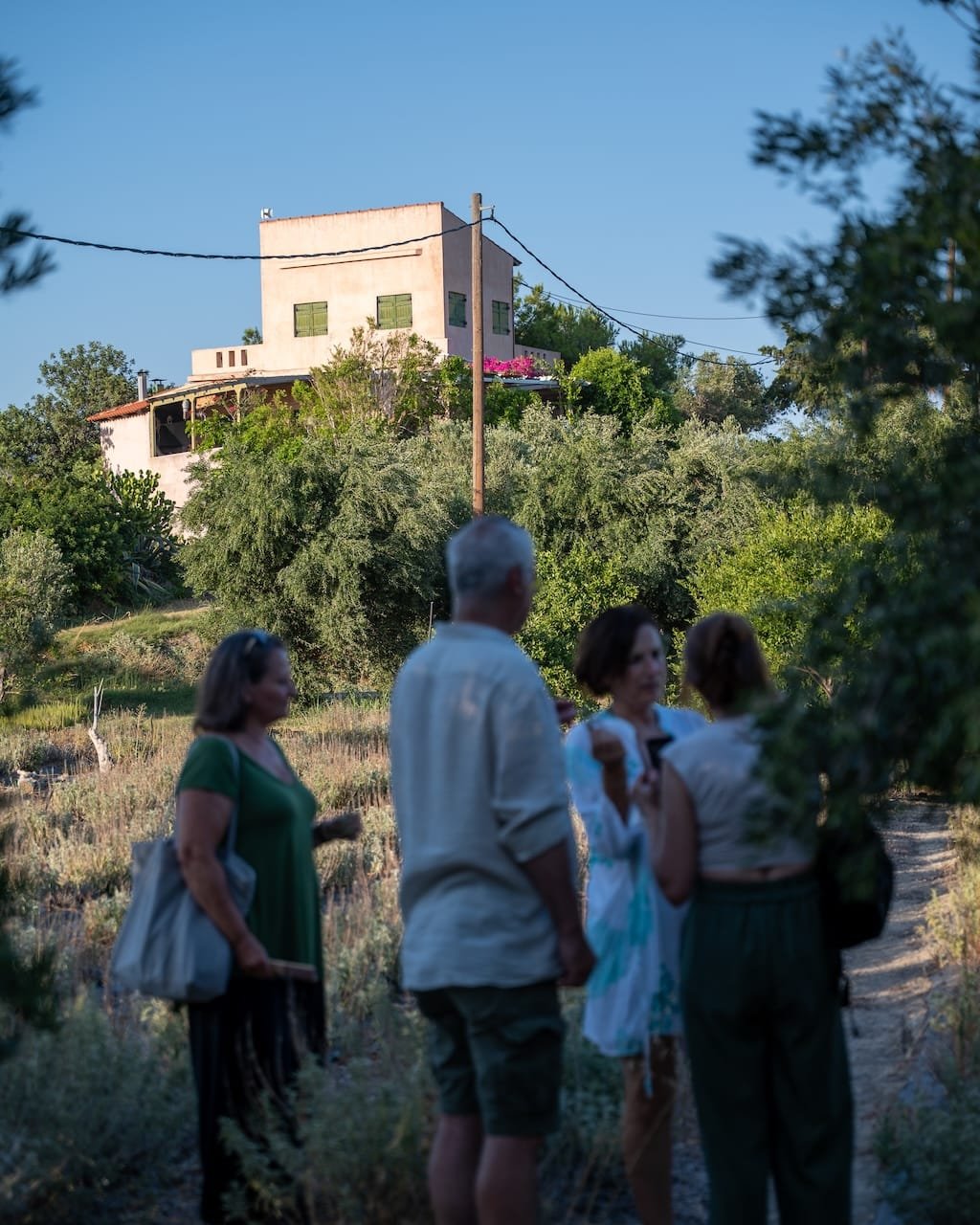
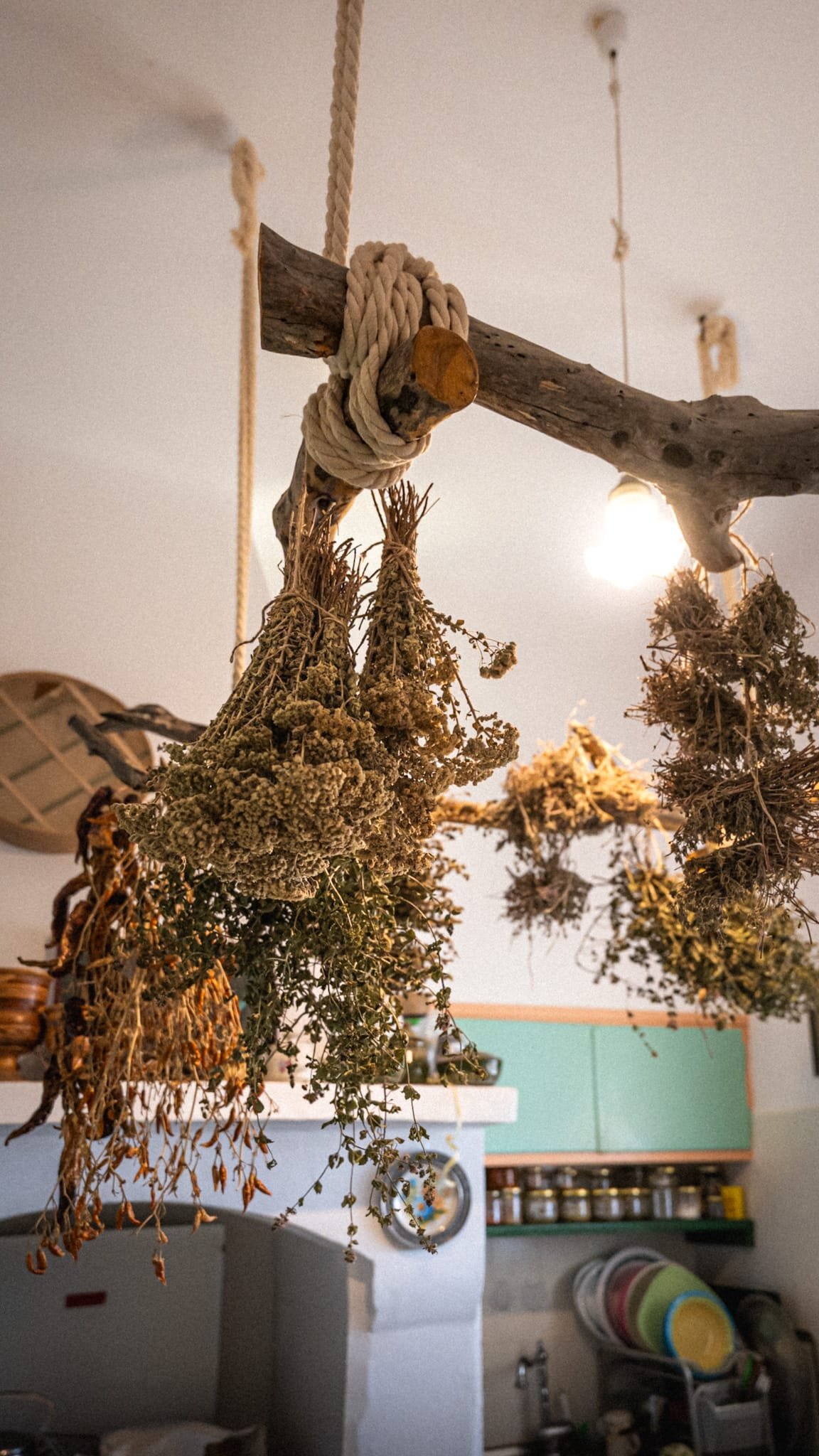
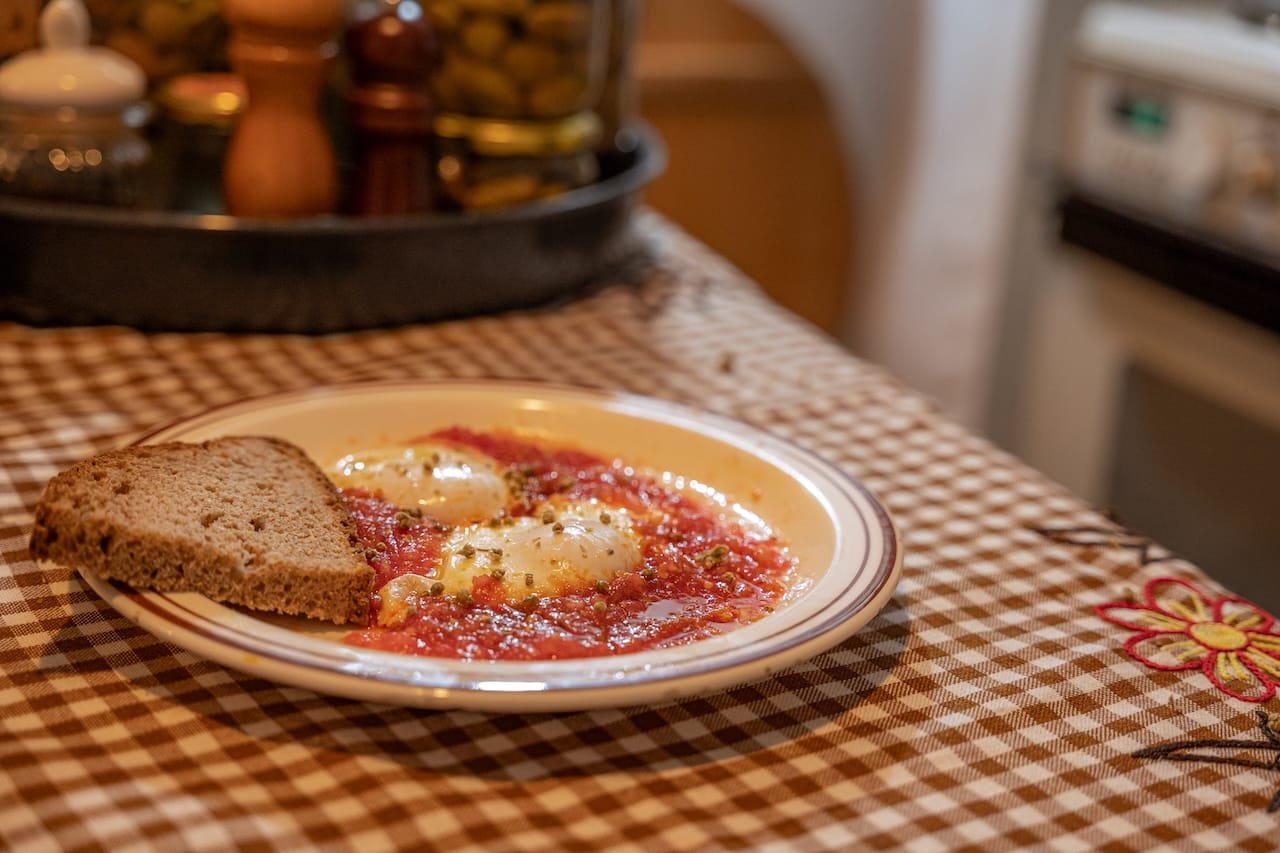
Farm‑to‑table dining has become a buzzword in culinary circles, but in Crete it’s the way people have eaten for millennia. The island’s diet is rooted in locally grown produce, fresh herbs, fish and – above all – olive oil. At Aspras Terra, a farm and experience centre near Ierapetra, visitors can taste and learn about this heritage firsthand. This article explores how the Cretan diet developed, its health benefits and how Aspras Terra brings it to life through cooking classes and tours.
Table of Contents
The evolution of the Cretan diet
Farm-to-Table in Crete
Crete’s geographic isolation and fertile land allowed the island to develop a distinctive cuisine. Archaeological evidence shows that olive trees have been cultivated here for nearly 4,000 years. Over time, influences from Minoan, Roman, Arab and Venetian cultures blended to create the Cretan diet. In the mid‑20th century, epidemiologist Ancel Keys studied the eating habits of rural Cretans and discovered that their diet – rich in olive oil, vegetables, legumes, wild greens and fish – contributed to remarkably low rates of heart disease despite high fat consumption.
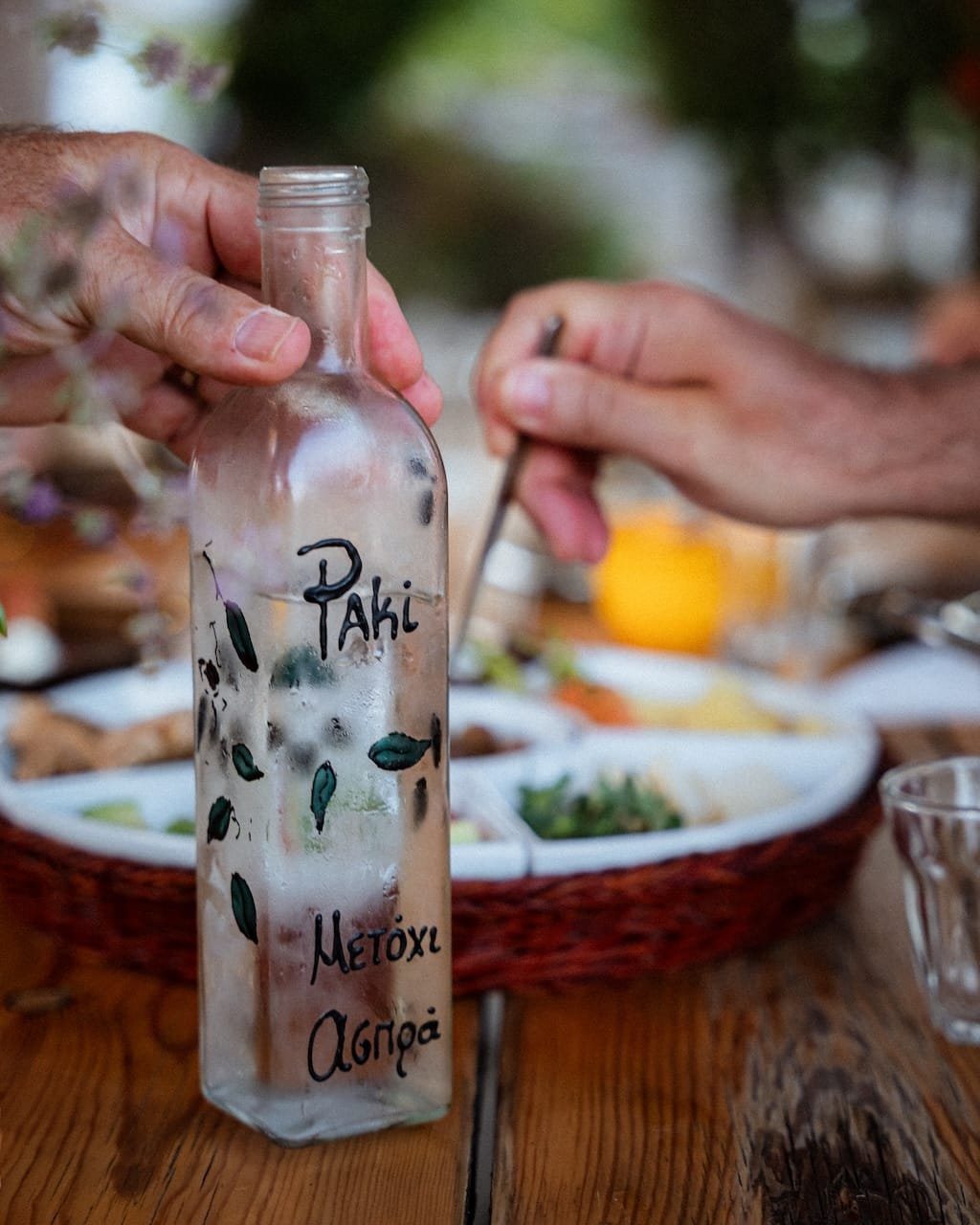
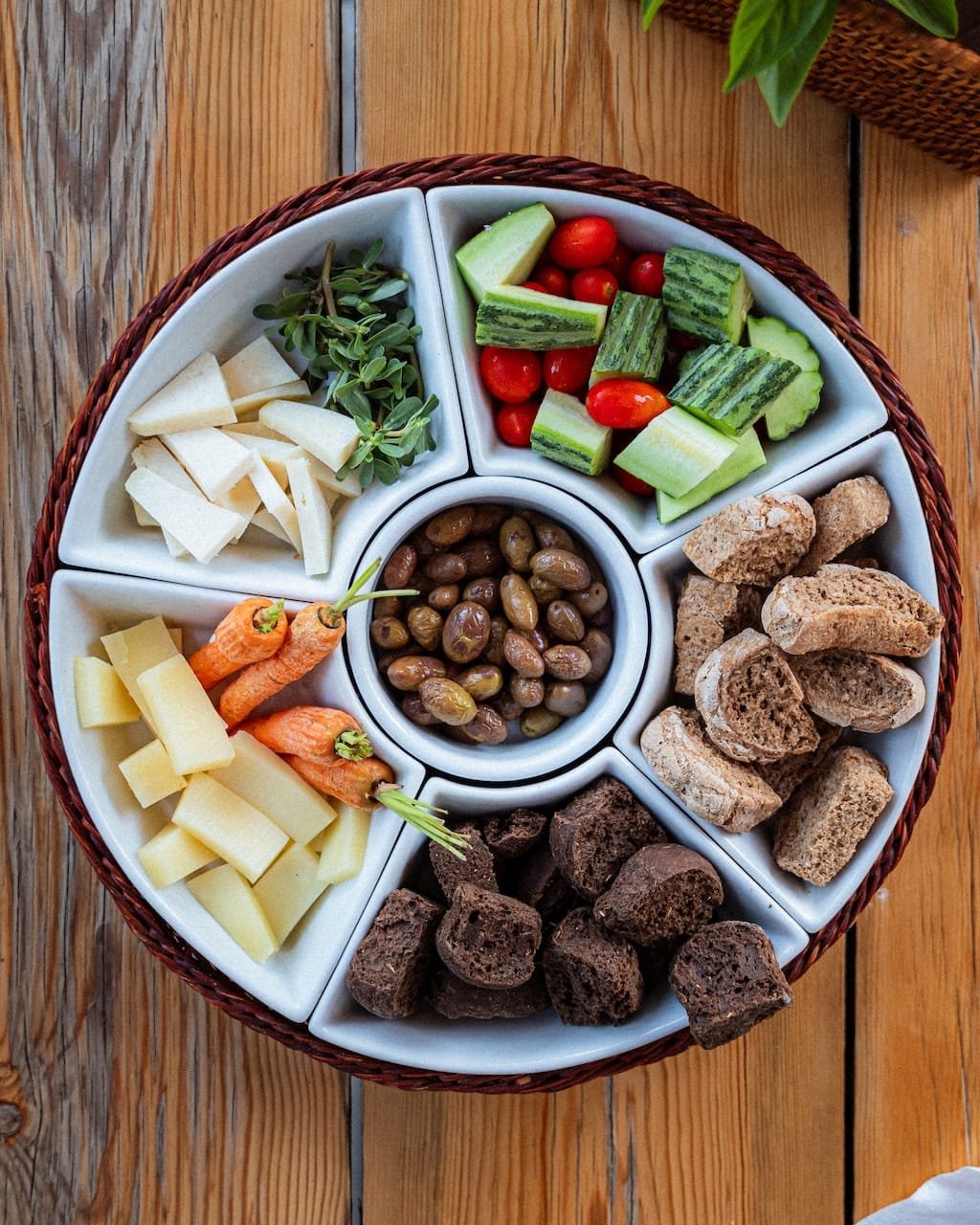
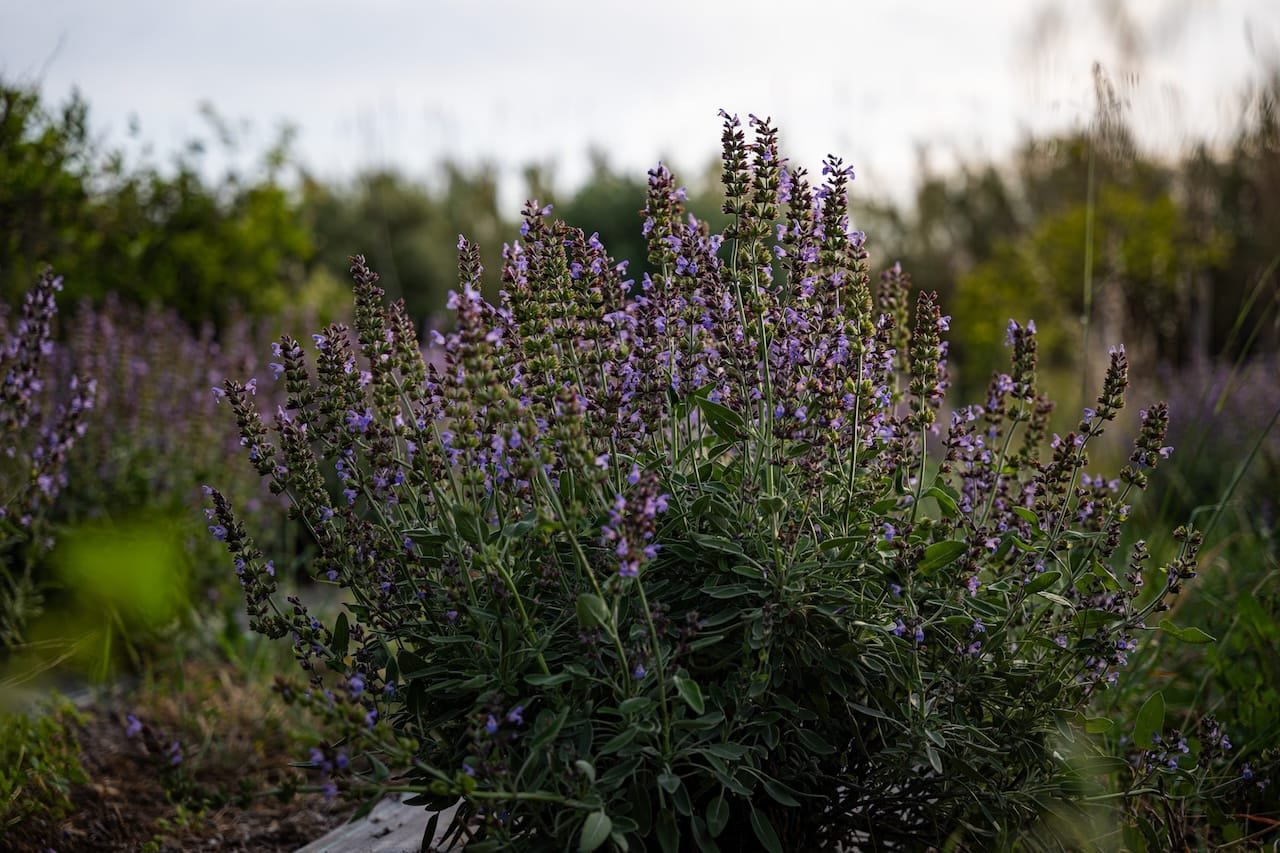
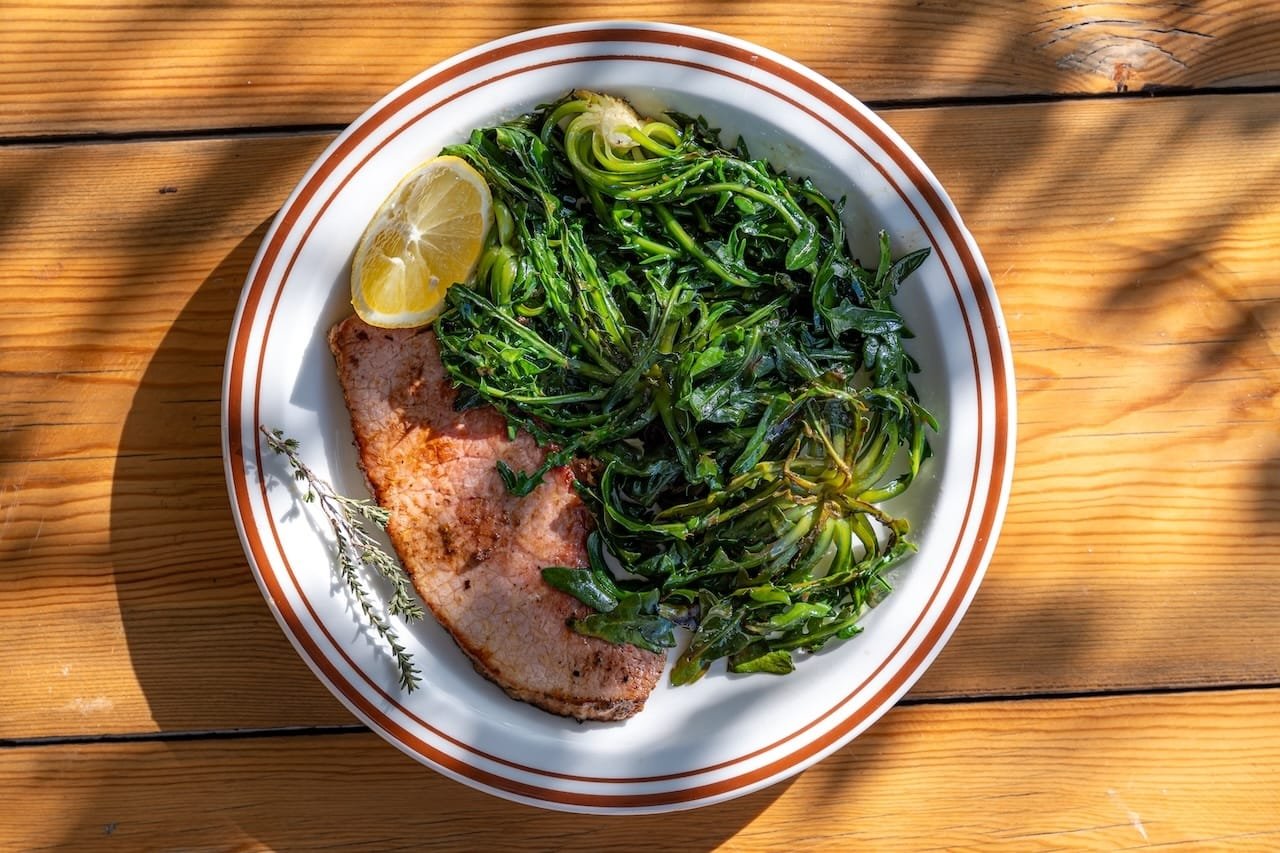
At the core of this diet is extra‑virgin olive oil, which provides most of the fat in Cretan cooking. EVOO’s monounsaturated fats and antioxidants help reduce “bad” LDL cholesterol, support heart health and lower inflammation. Wild greens (horta), grains and herbs supply fibre and micronutrients. Fish and limited amounts of meat add protein while wine, fruit and honey provide antioxidants. Meals are enjoyed slowly and communally, reflecting a lifestyle that values connection and moderation.
Aspras Terra’s farm‑to‑table philosophy
Farm-to-Table in Crete
Aspras Terra operates on principles that mirror the traditional Cretan diet:
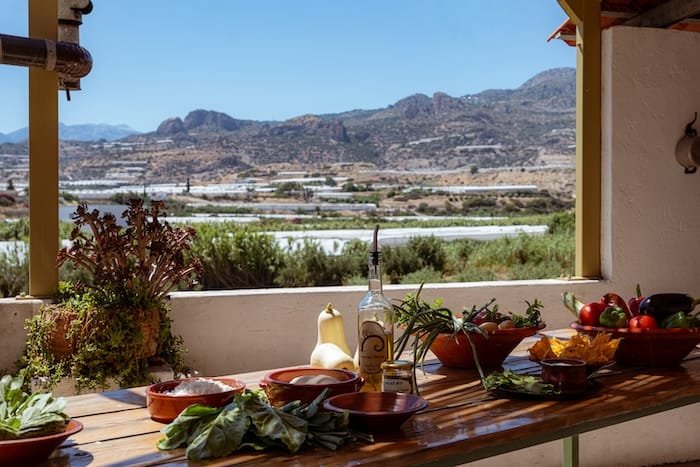
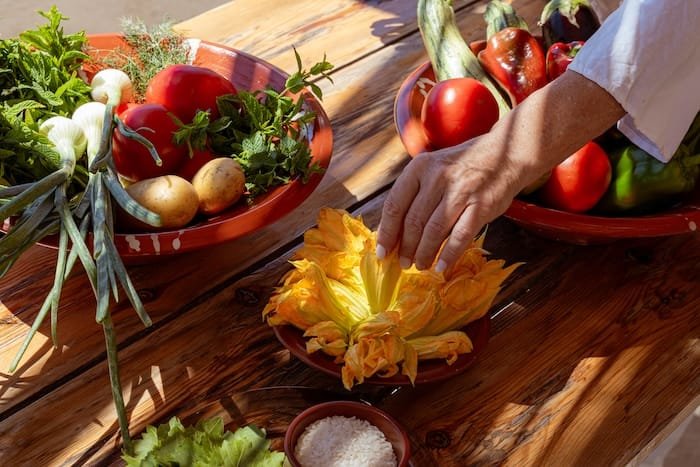
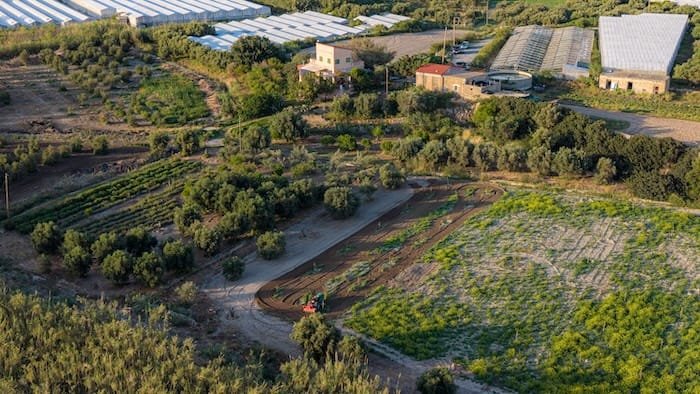
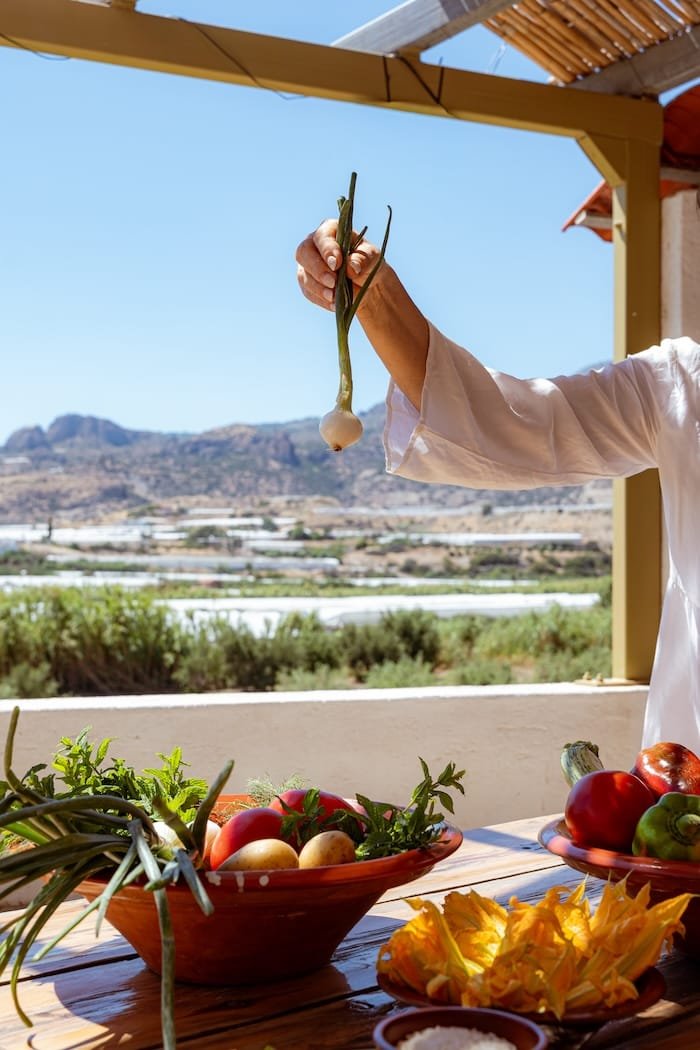
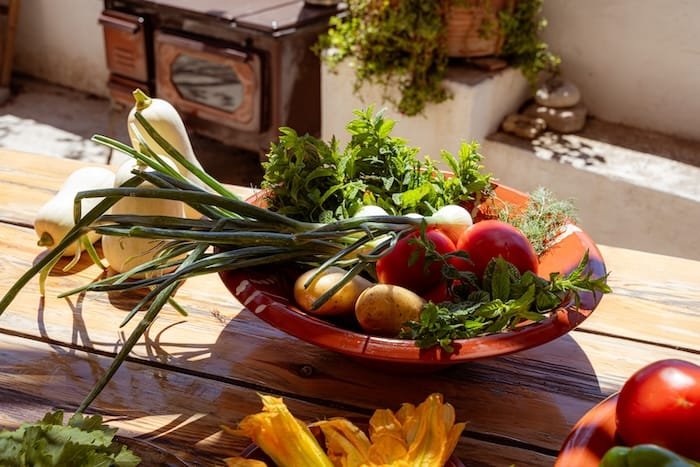
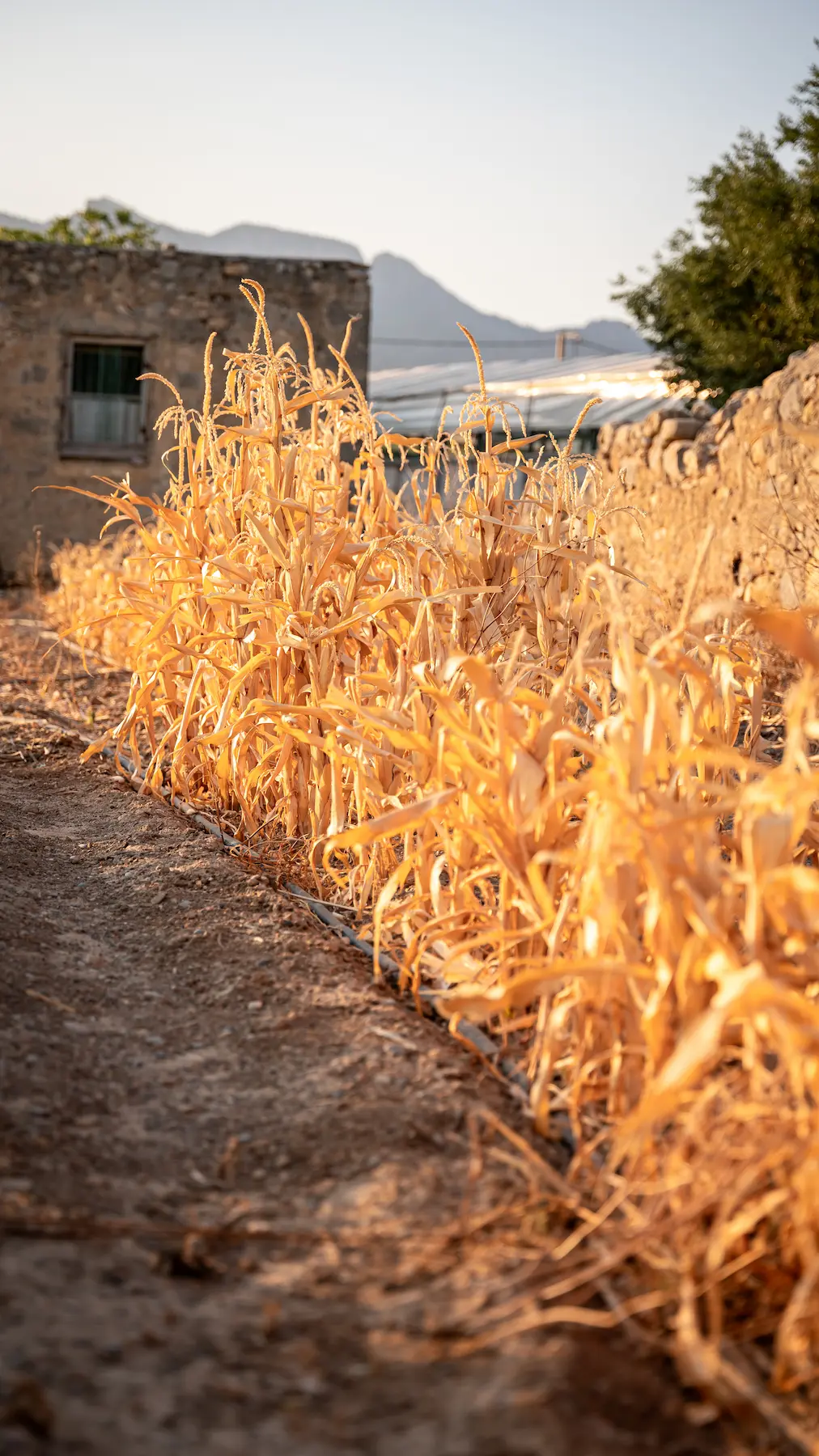
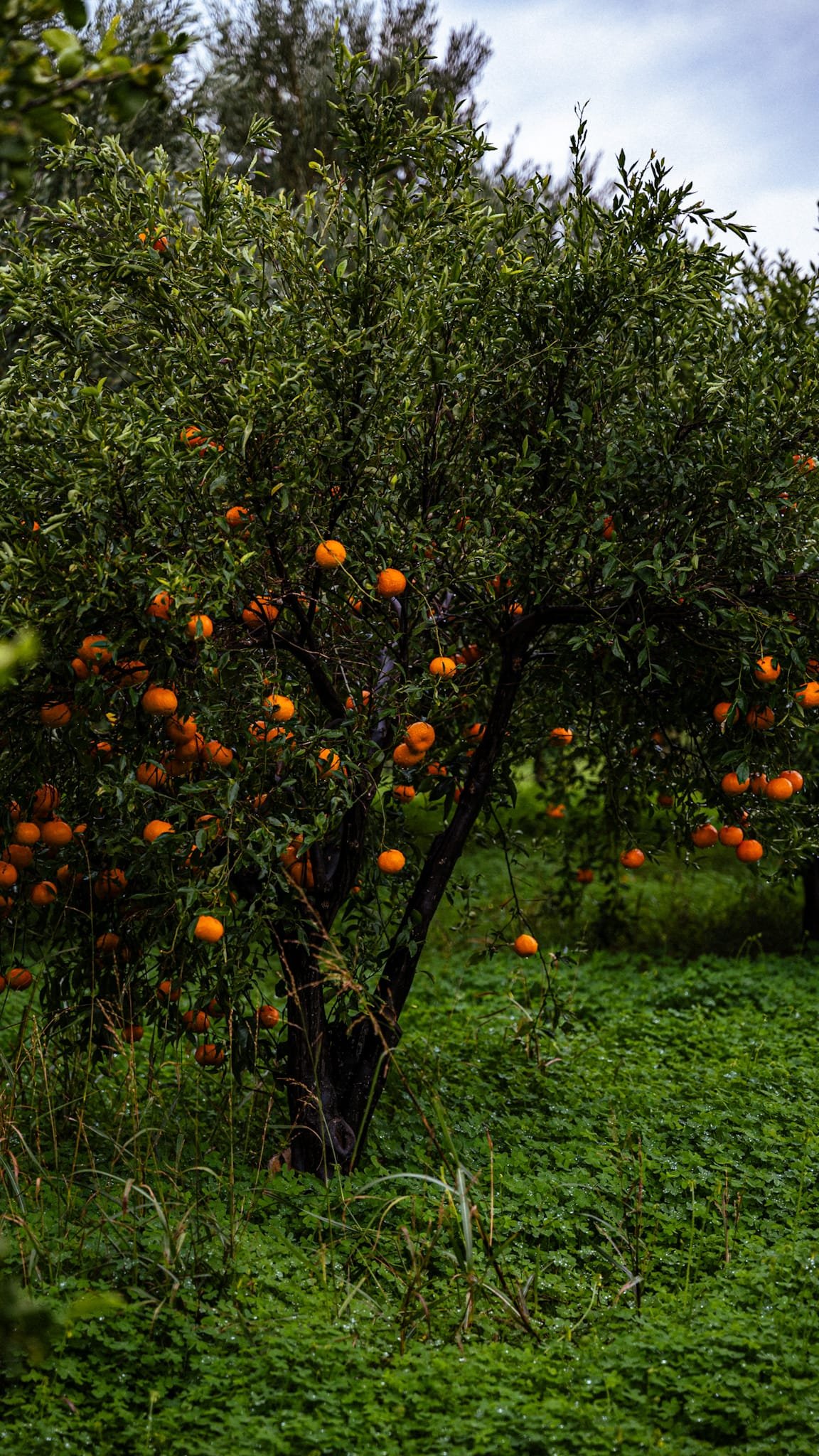
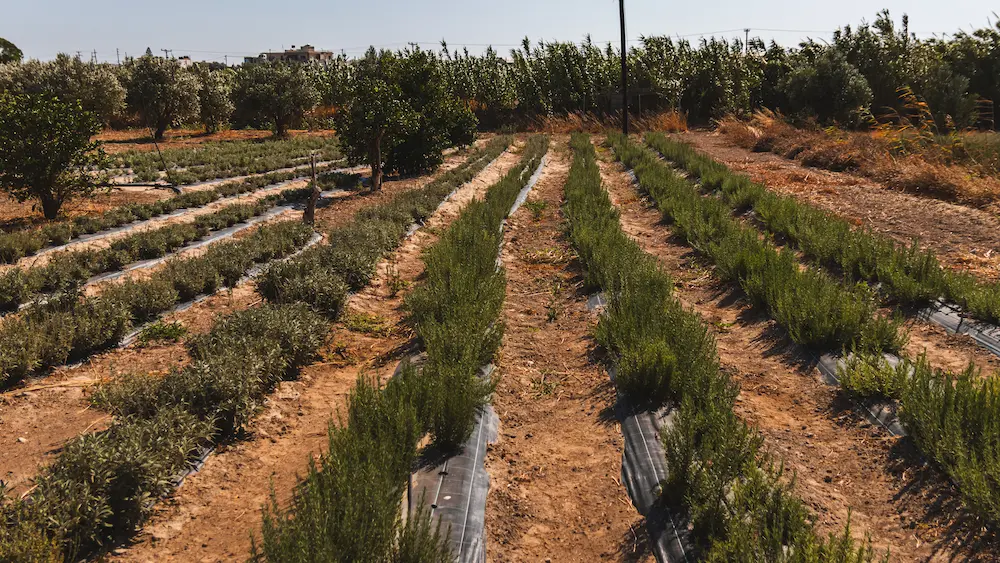
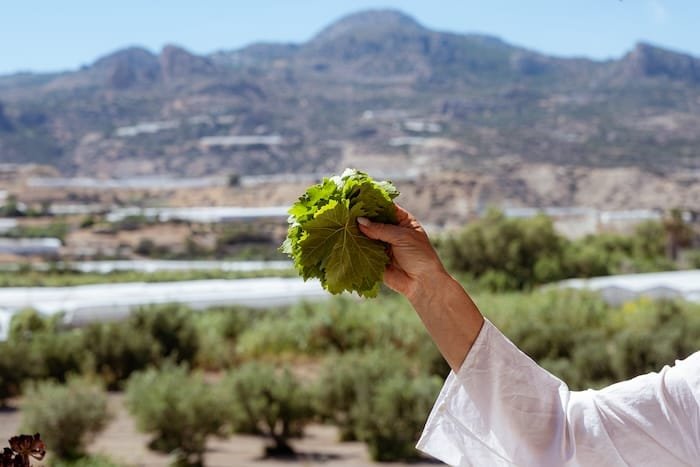
- Organic cultivation: The farm avoids synthetic fertilizers and pesticides, relying on composting, crop rotation and natural pest management. Visitors can see and taste the difference when they sample vegetables freshly picked from the field.
- Local sourcing: Ingredients not grown on site come from nearby farmers, ensuring freshness and supporting the local economy.
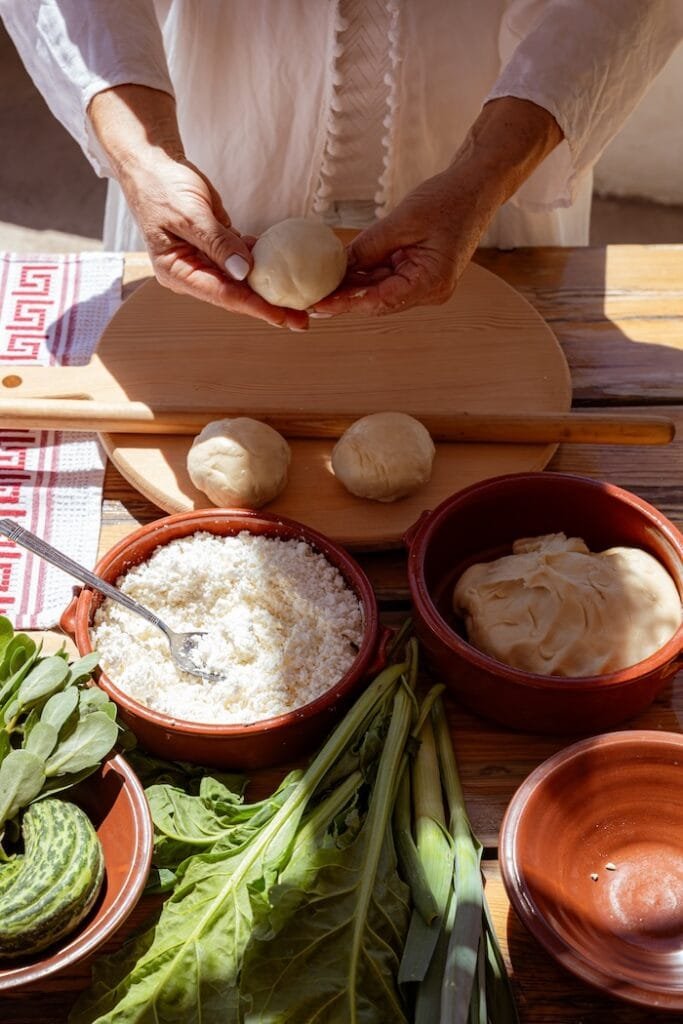
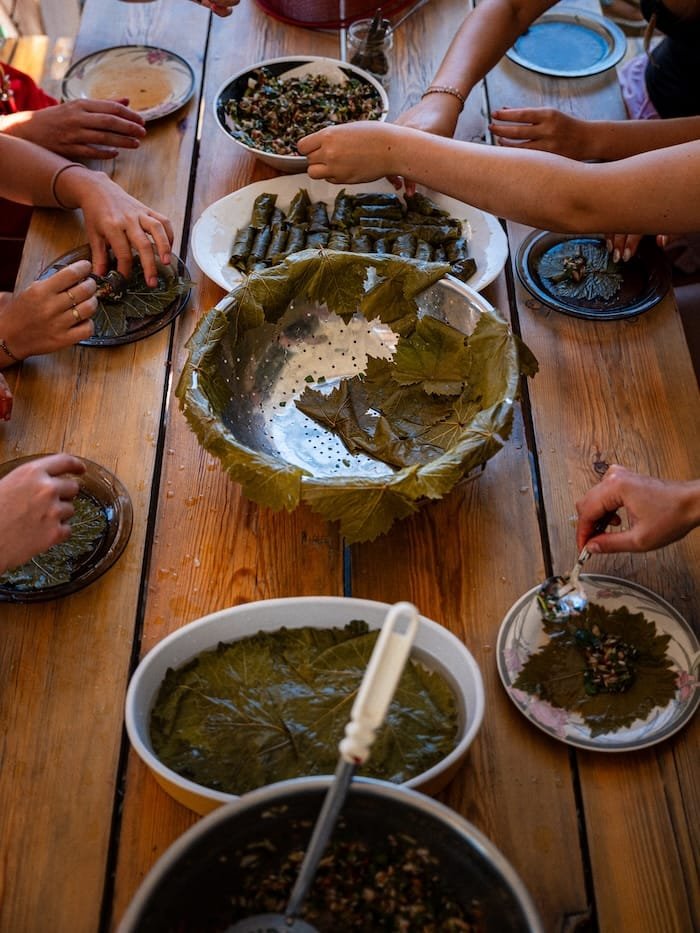
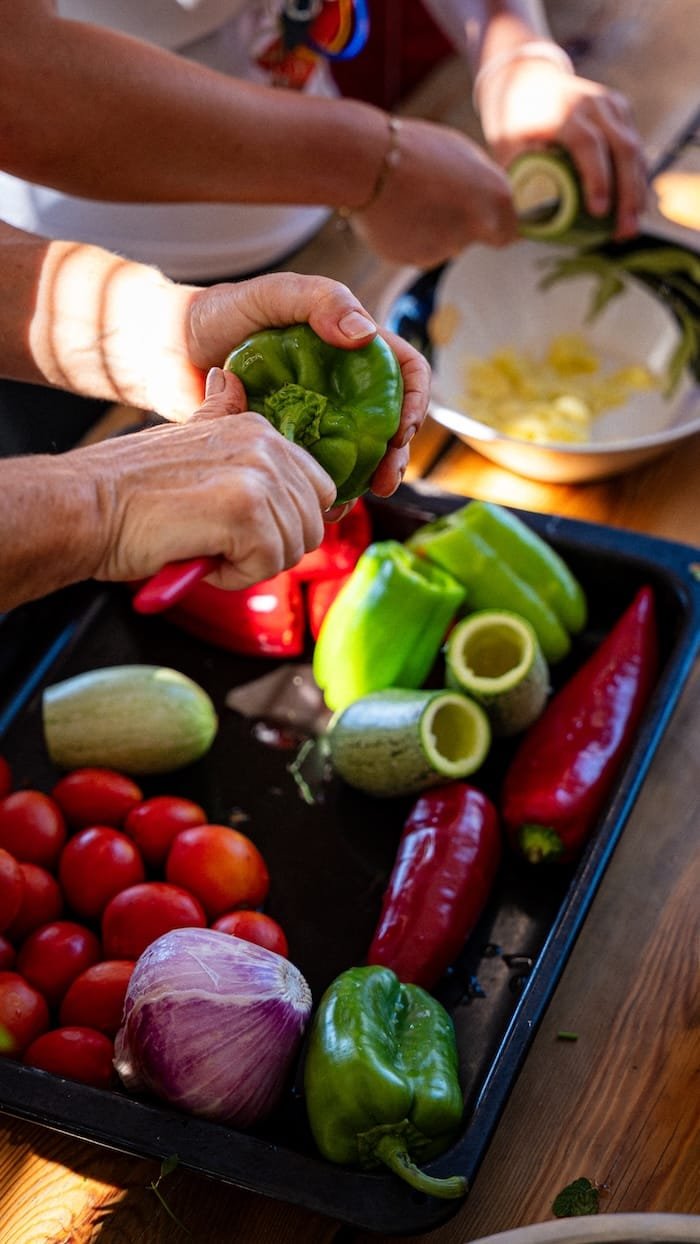
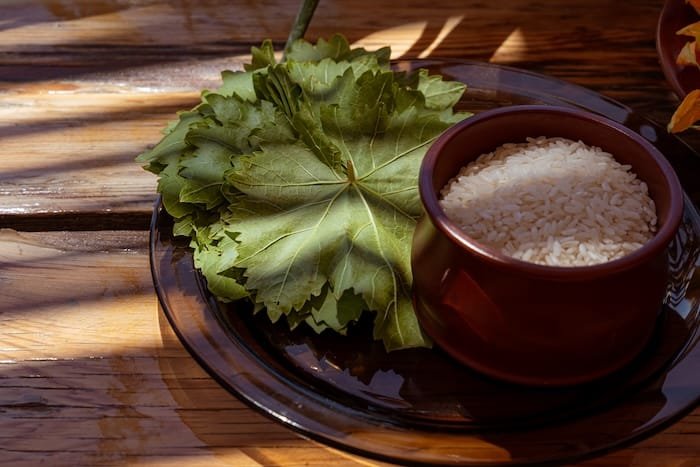
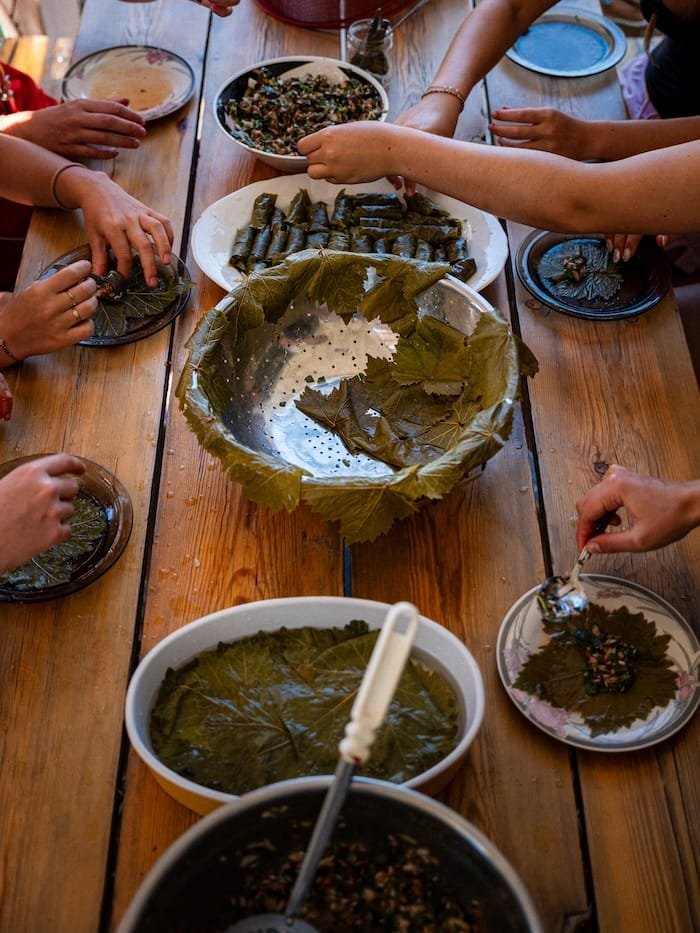
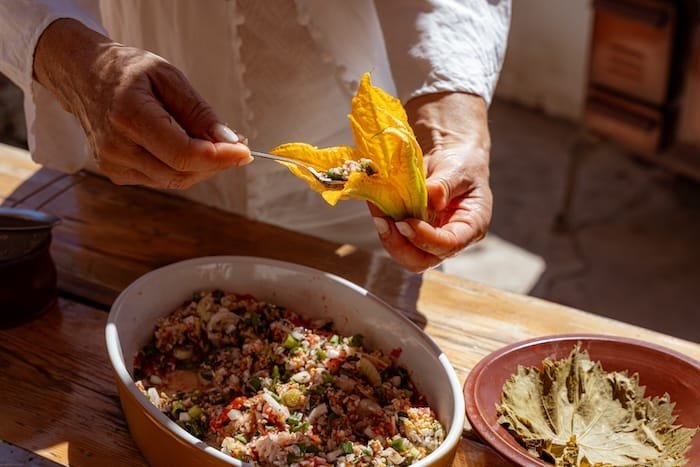
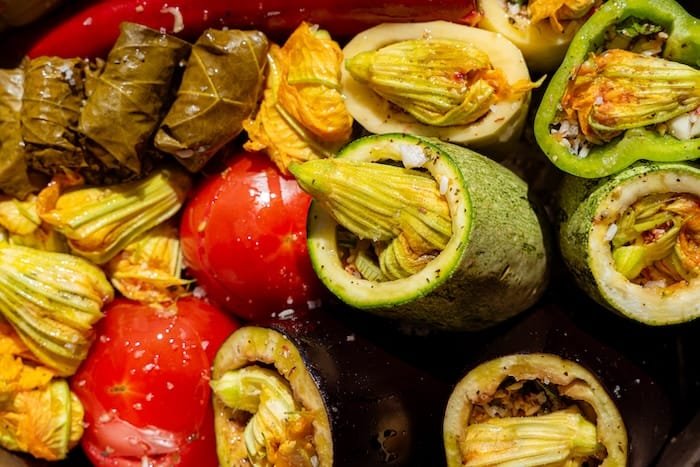
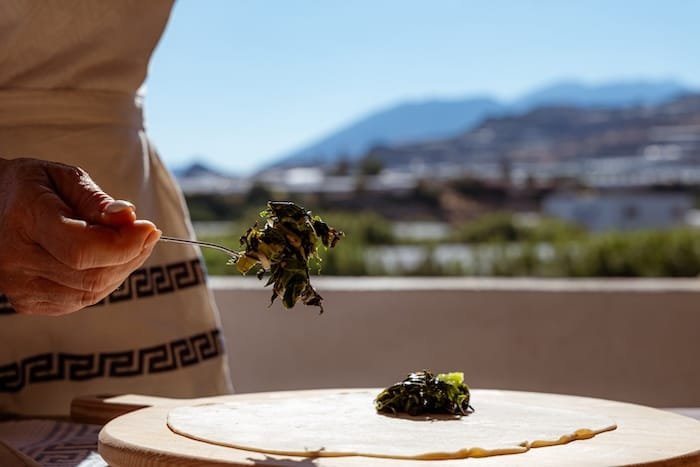
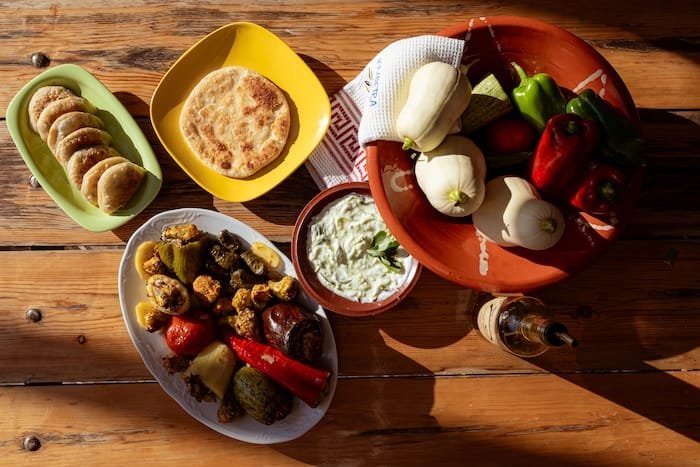
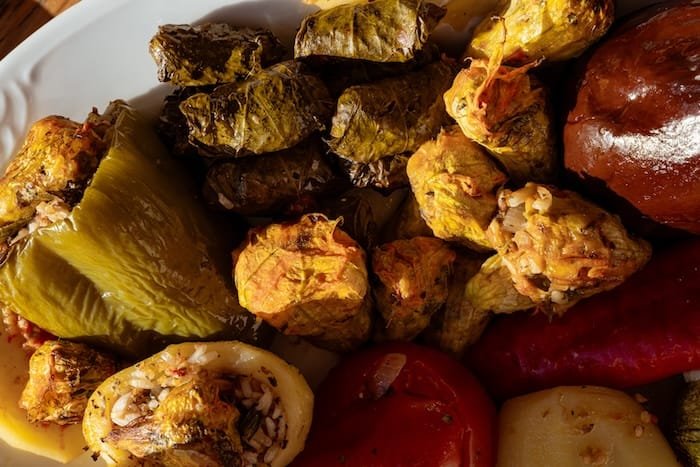
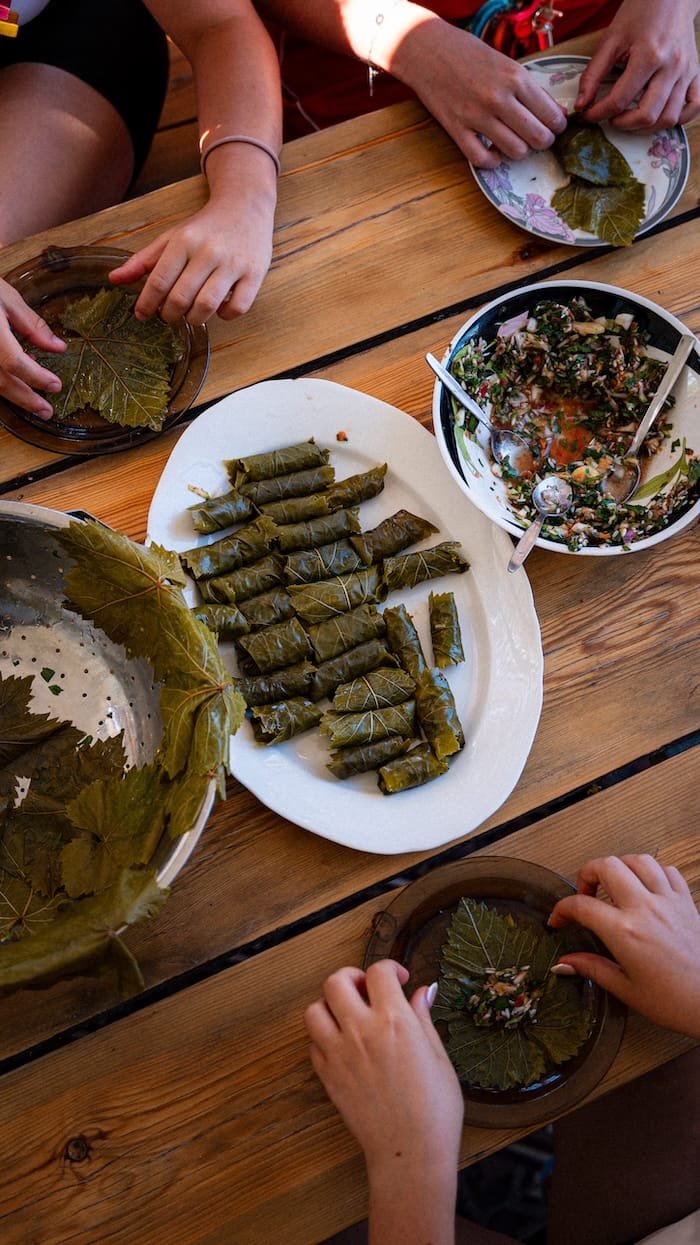
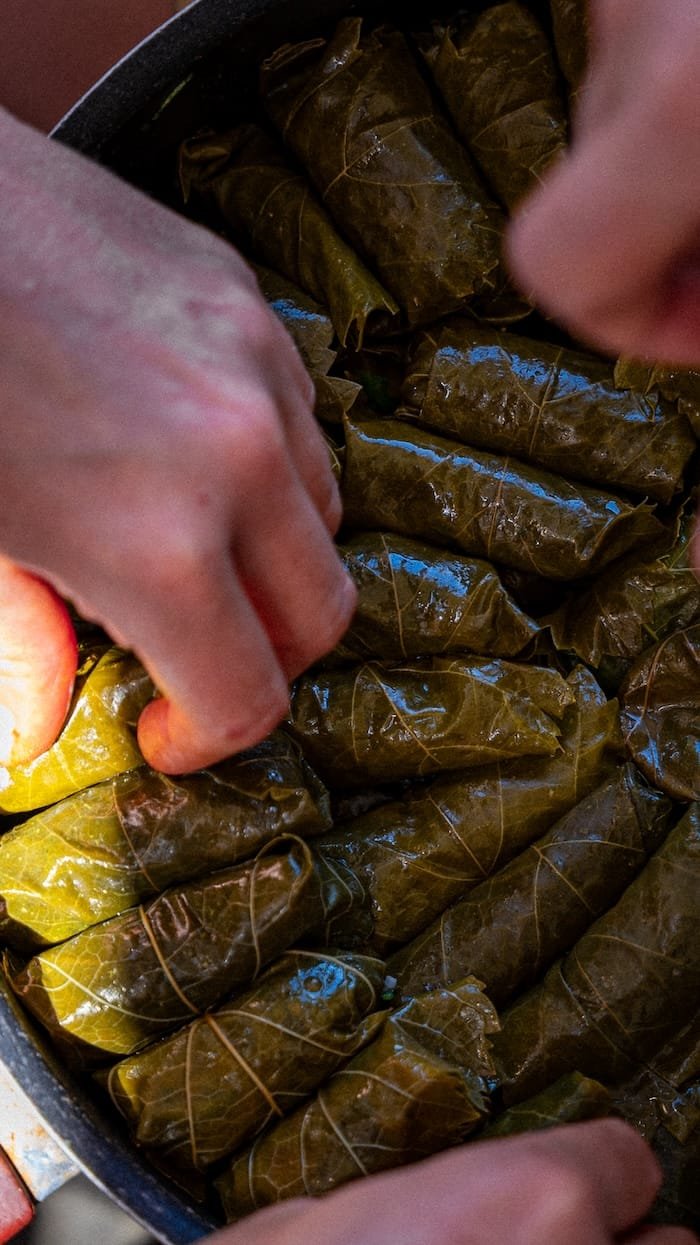
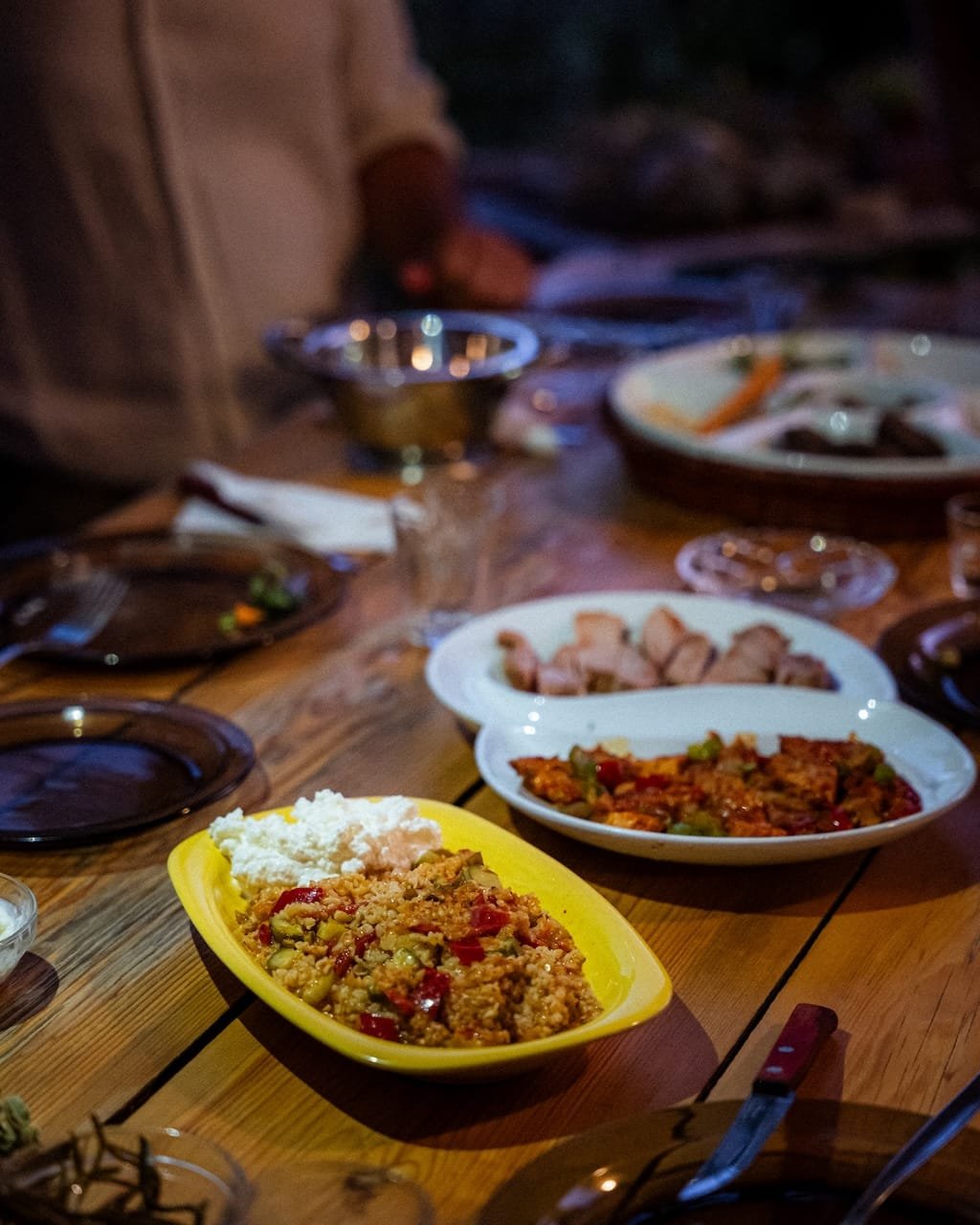
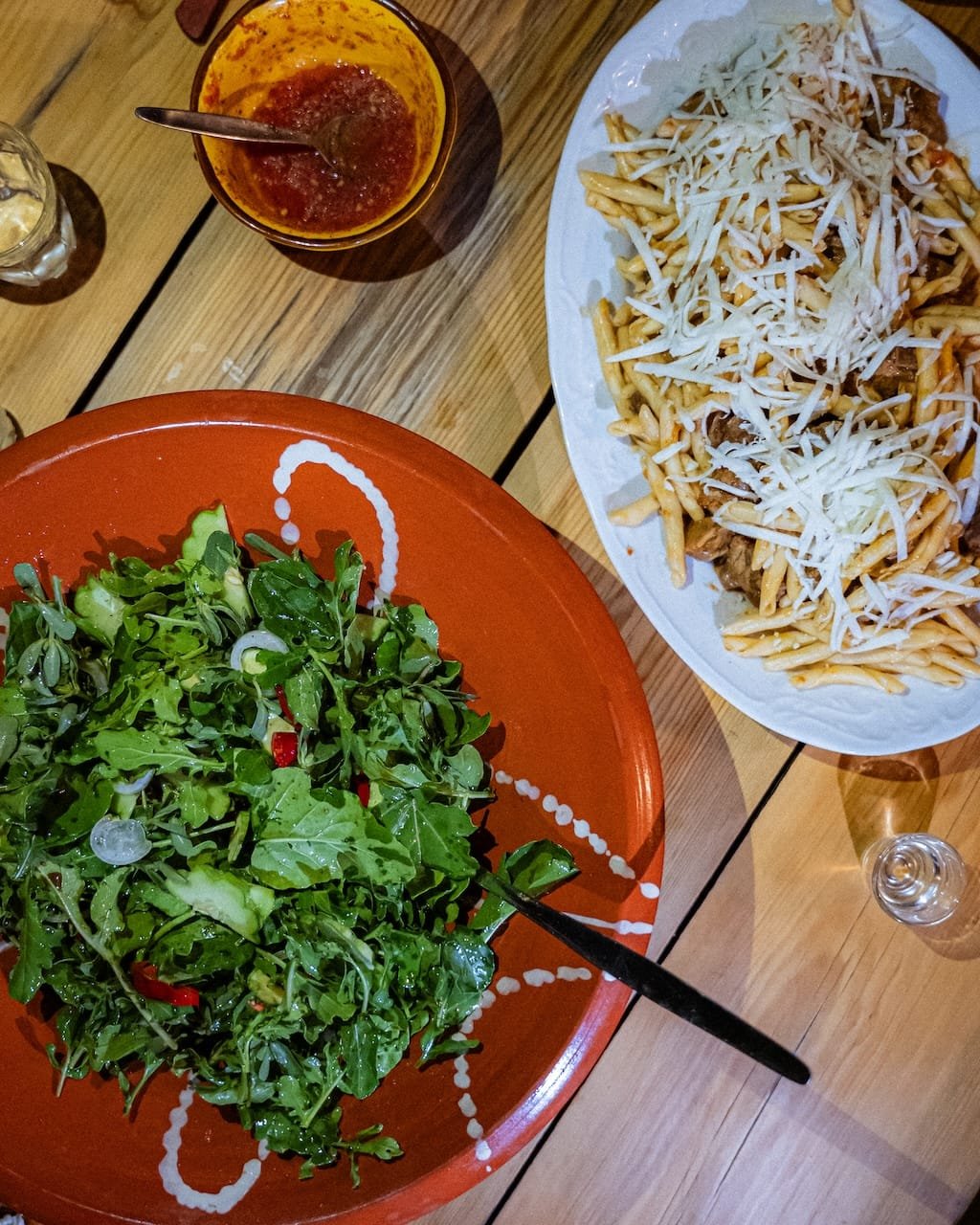
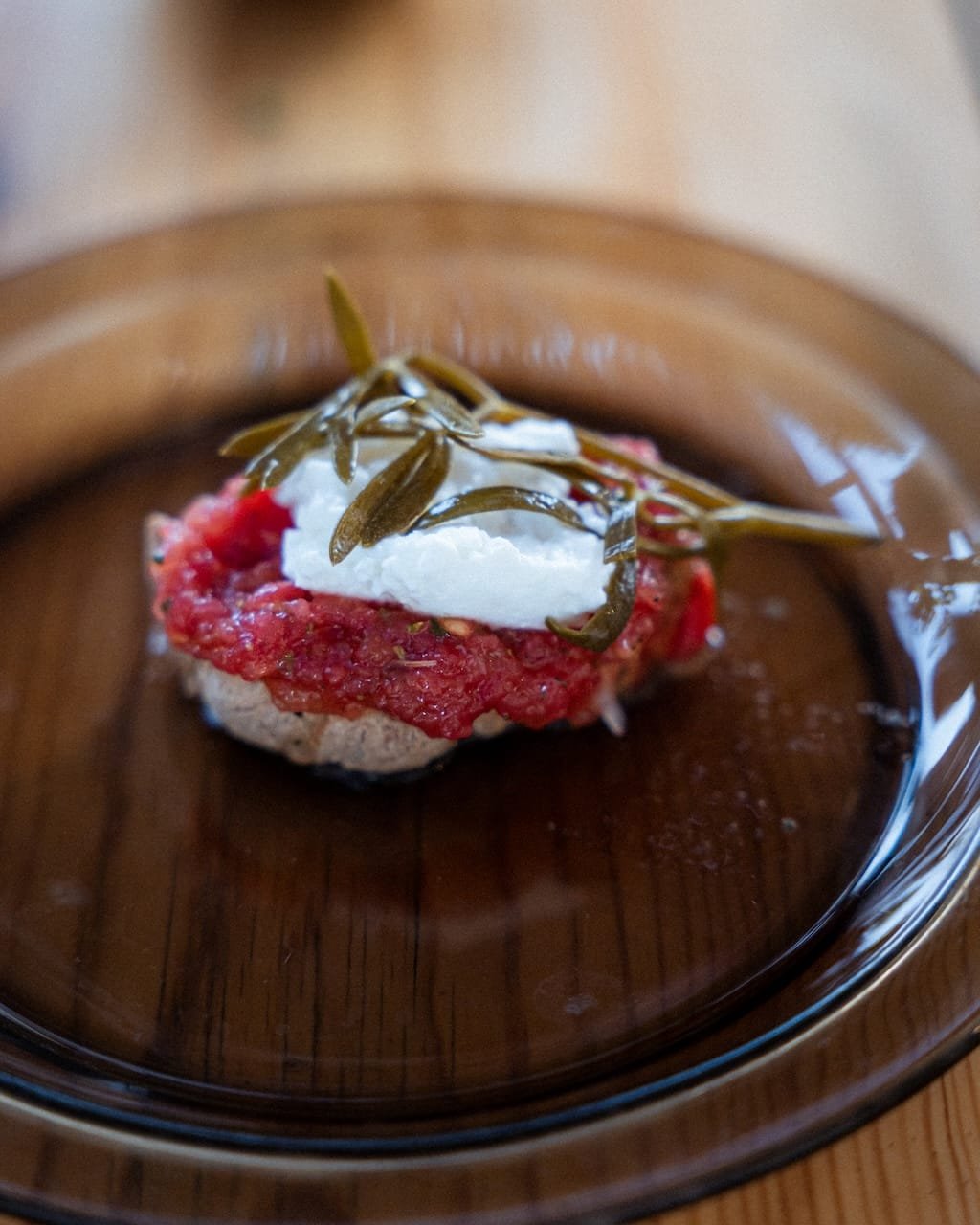
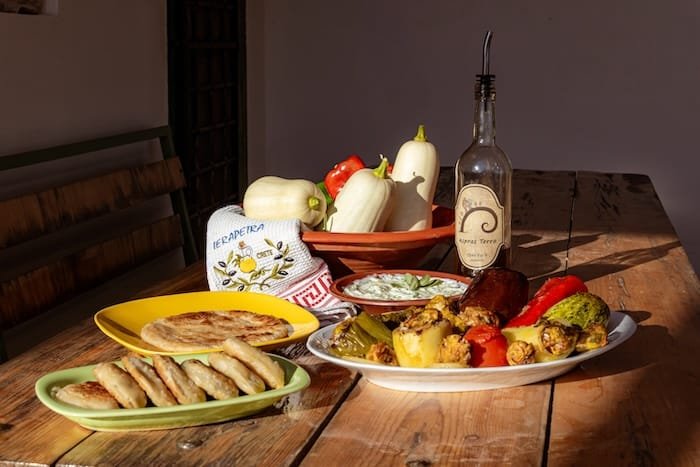
- Seasonal menus: Recipes change with the seasons. In summer you might prepare gemistá (stuffed tomatoes and peppers) and dolmadákia, while in winter you learn to make meat stews and wild green pies.
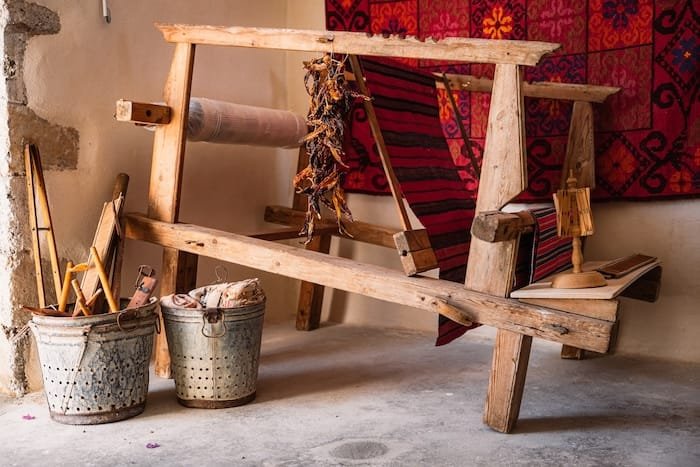
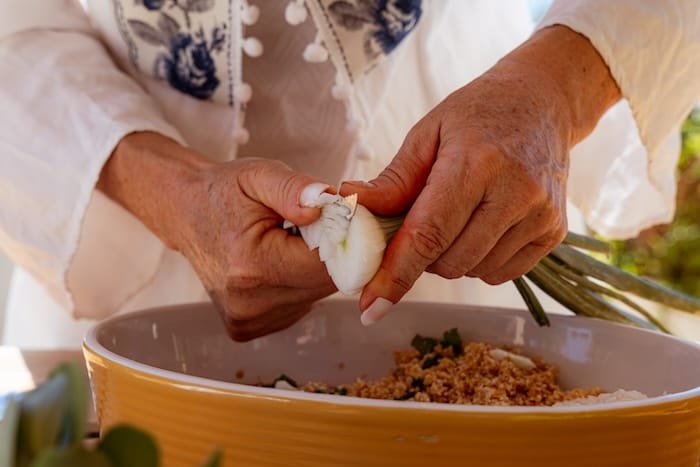
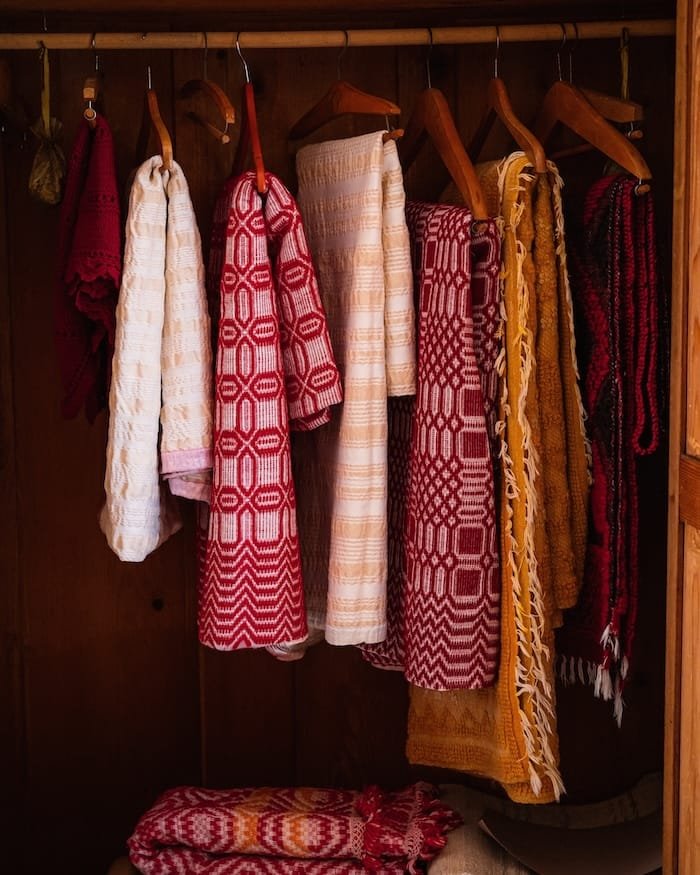
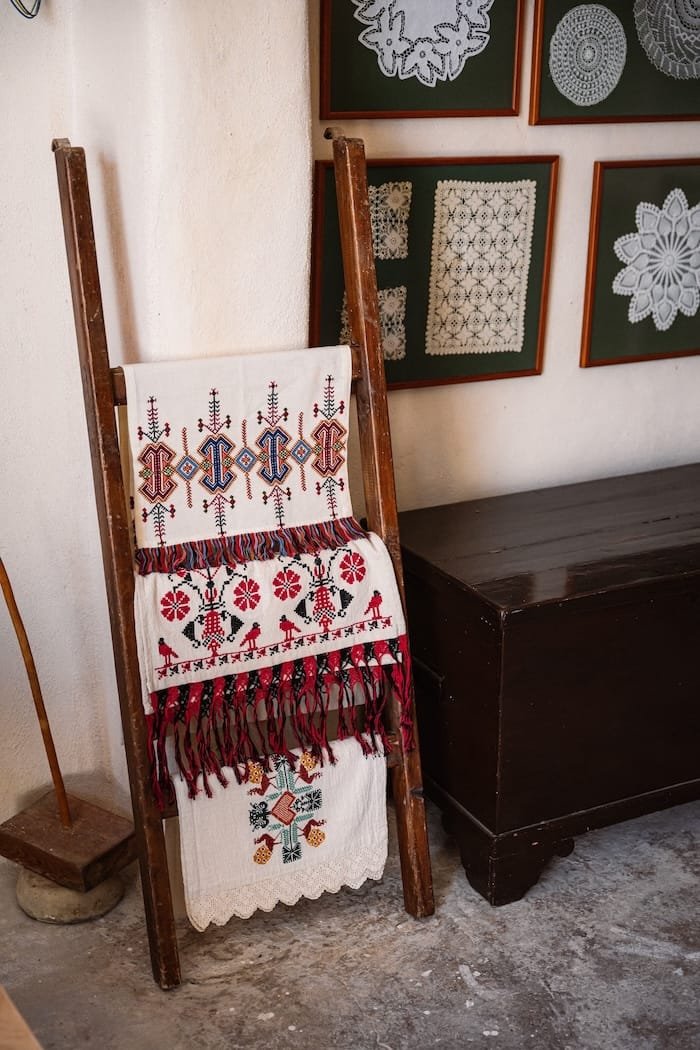
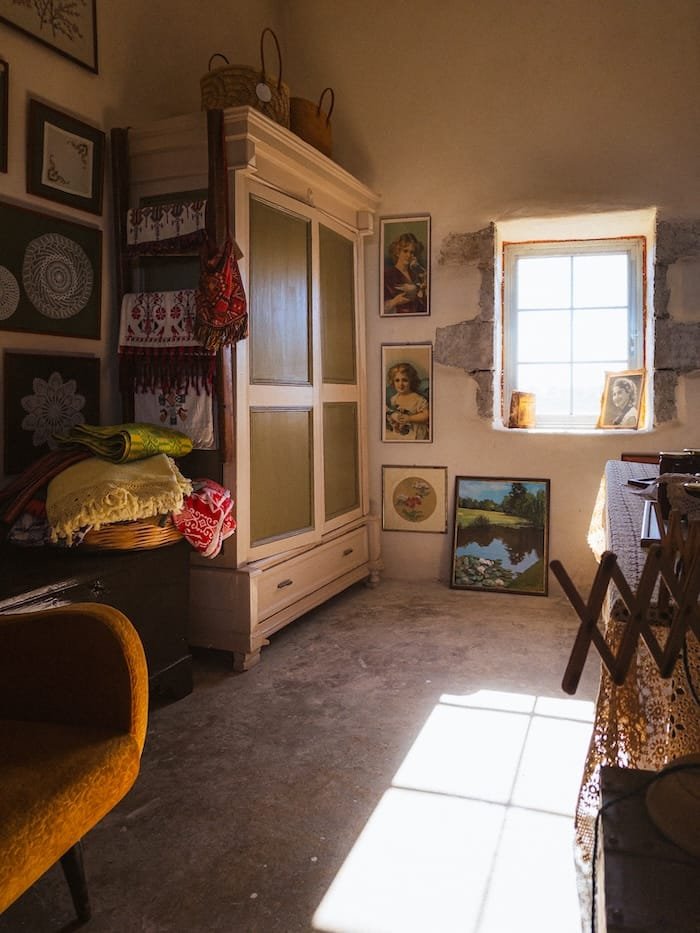
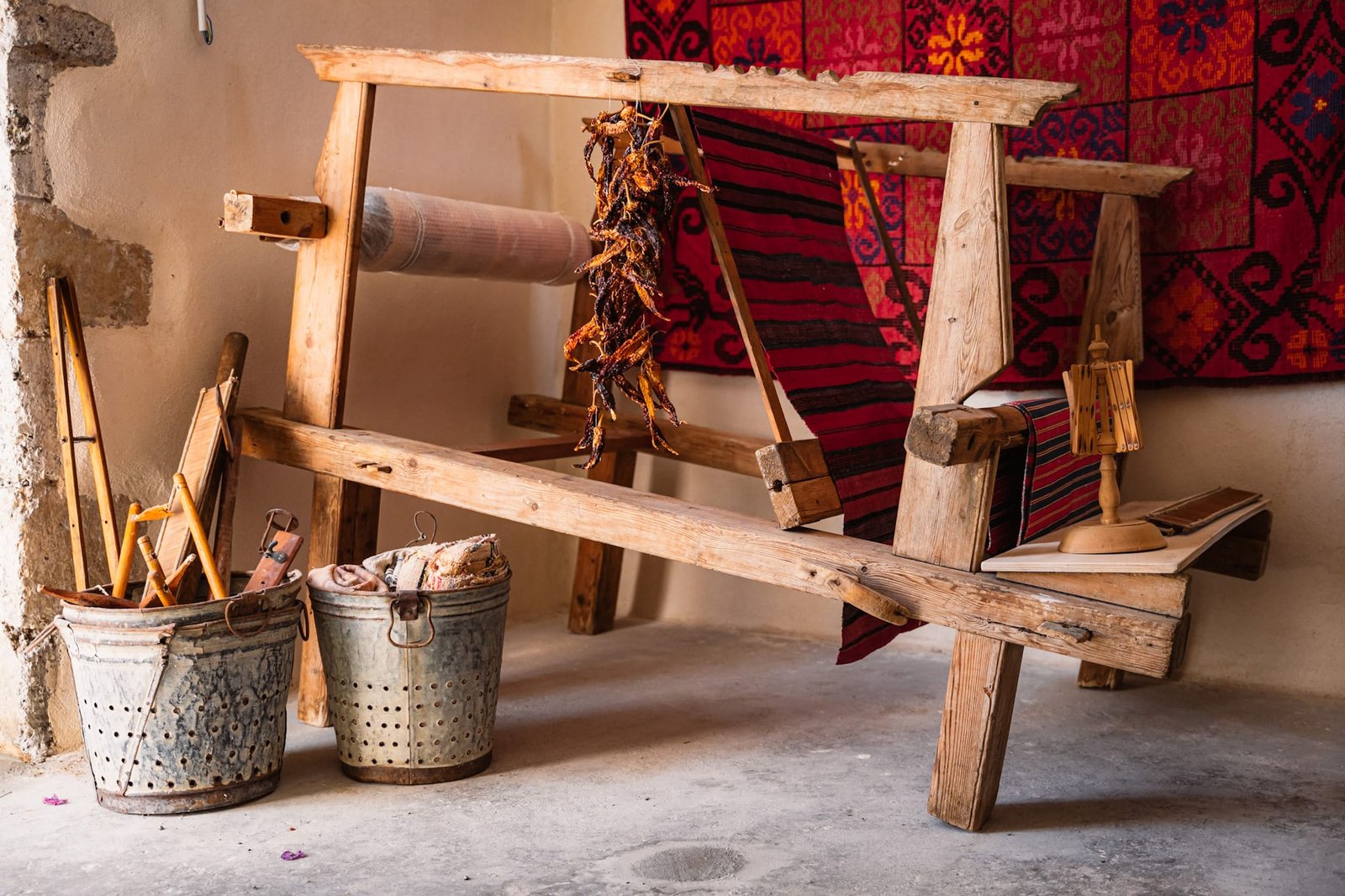
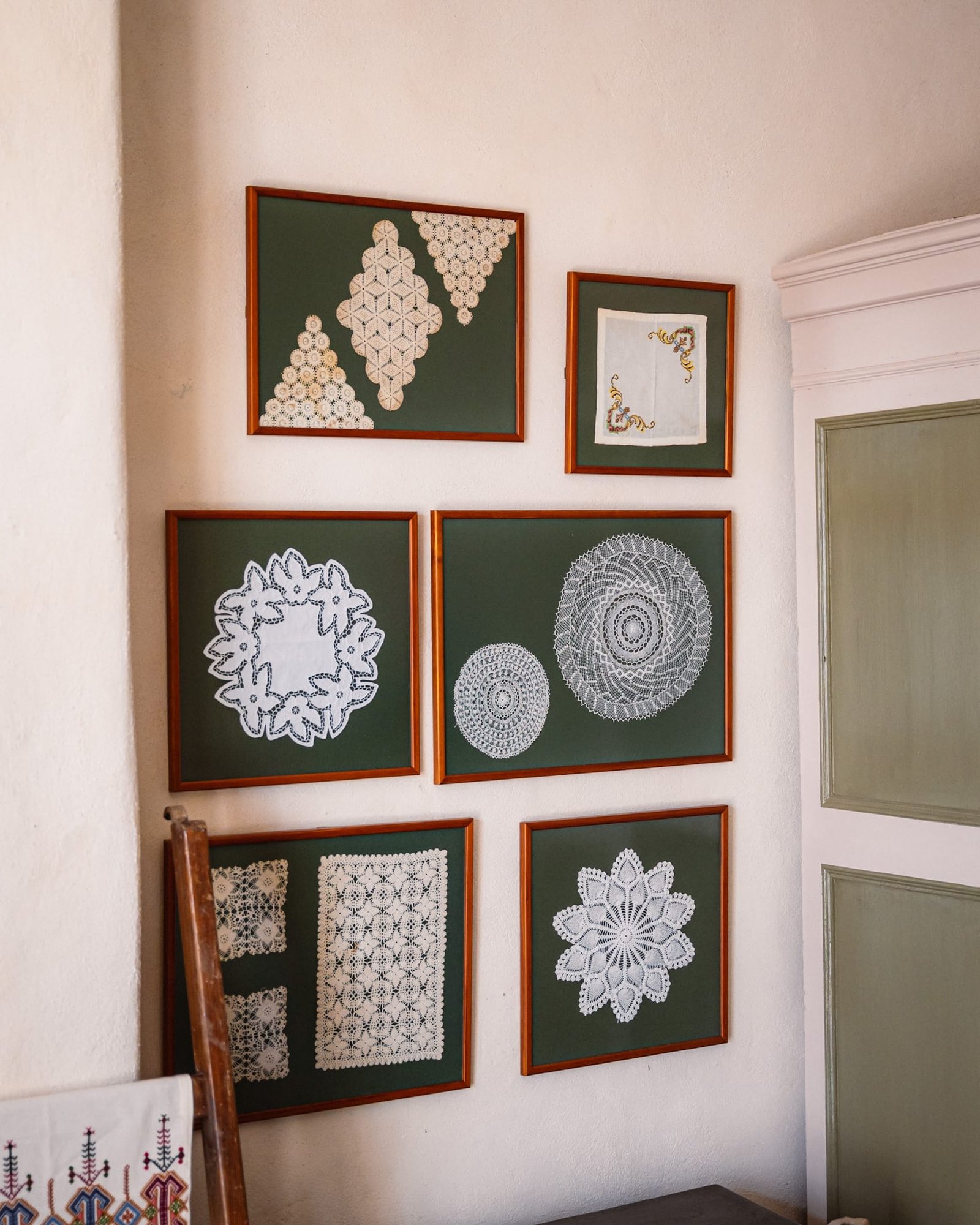
- Respect for heritage: The family teaches recipes passed down through generations and explains the cultural meaning behind dishes. The on‑site folklore collection connects food to daily life.
Olive oil and sustainable farming
Farm-to-Table in Crete
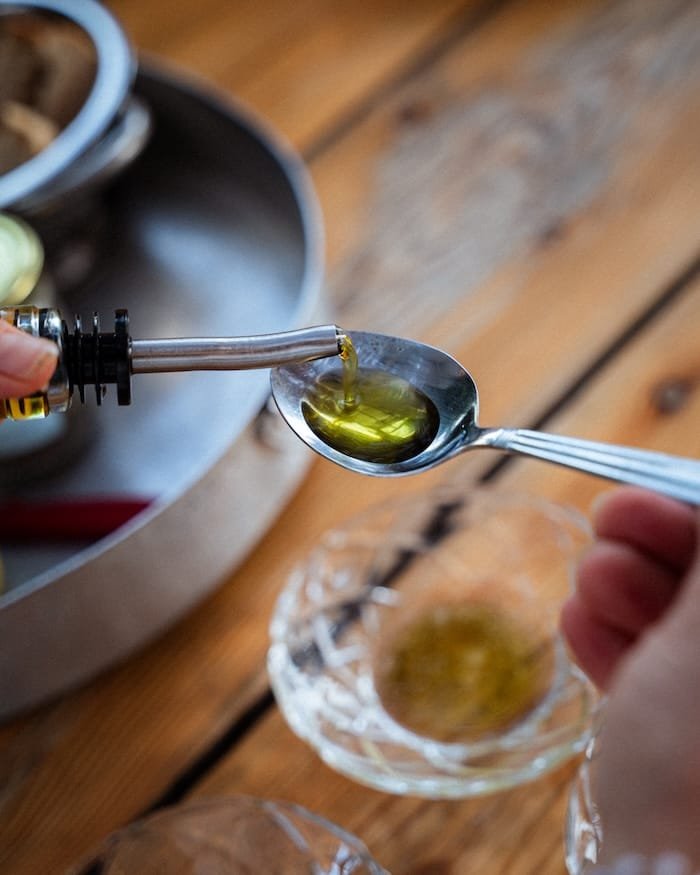
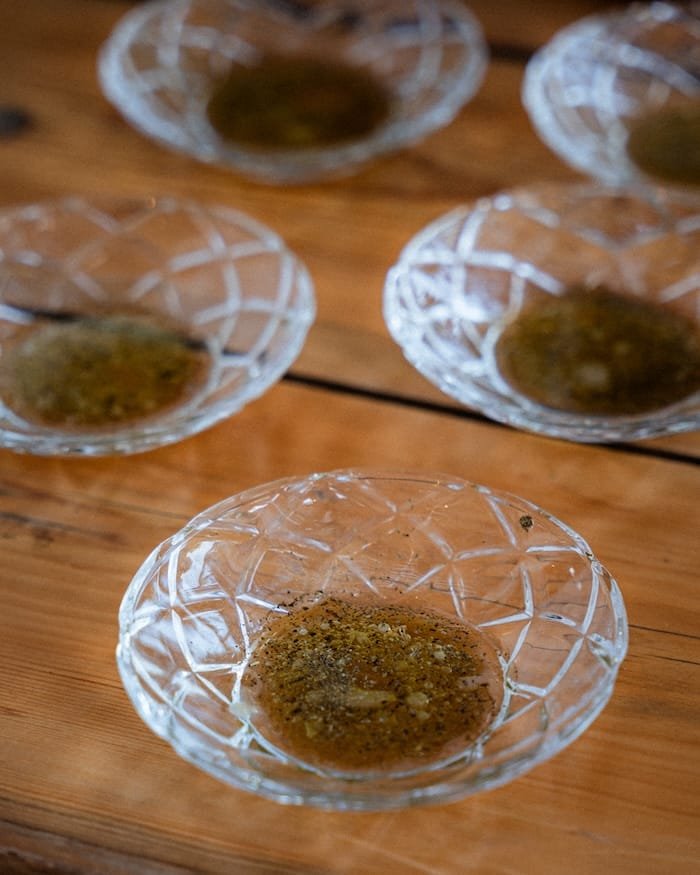
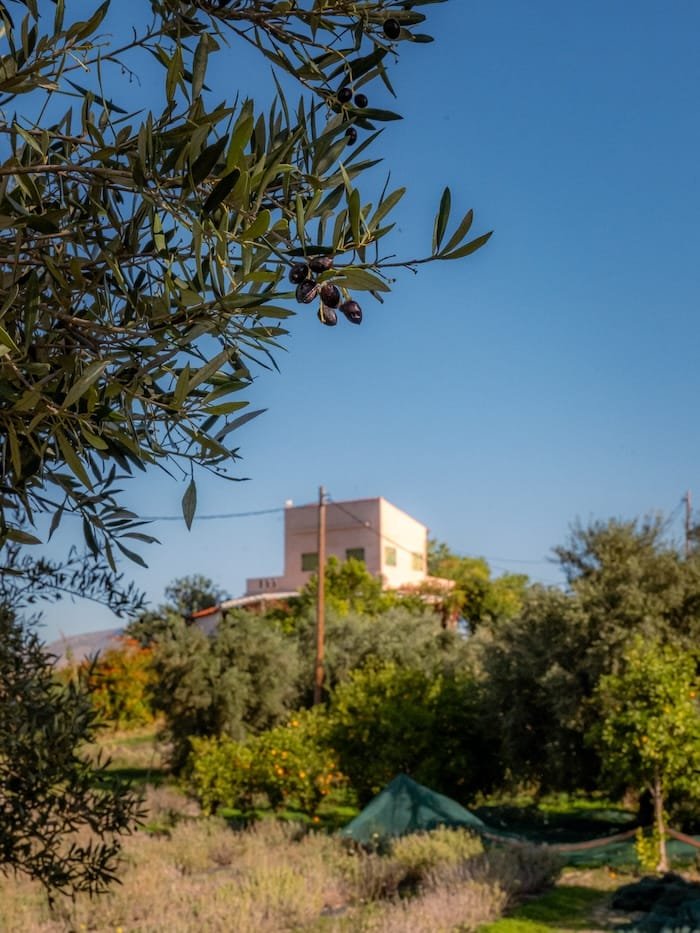
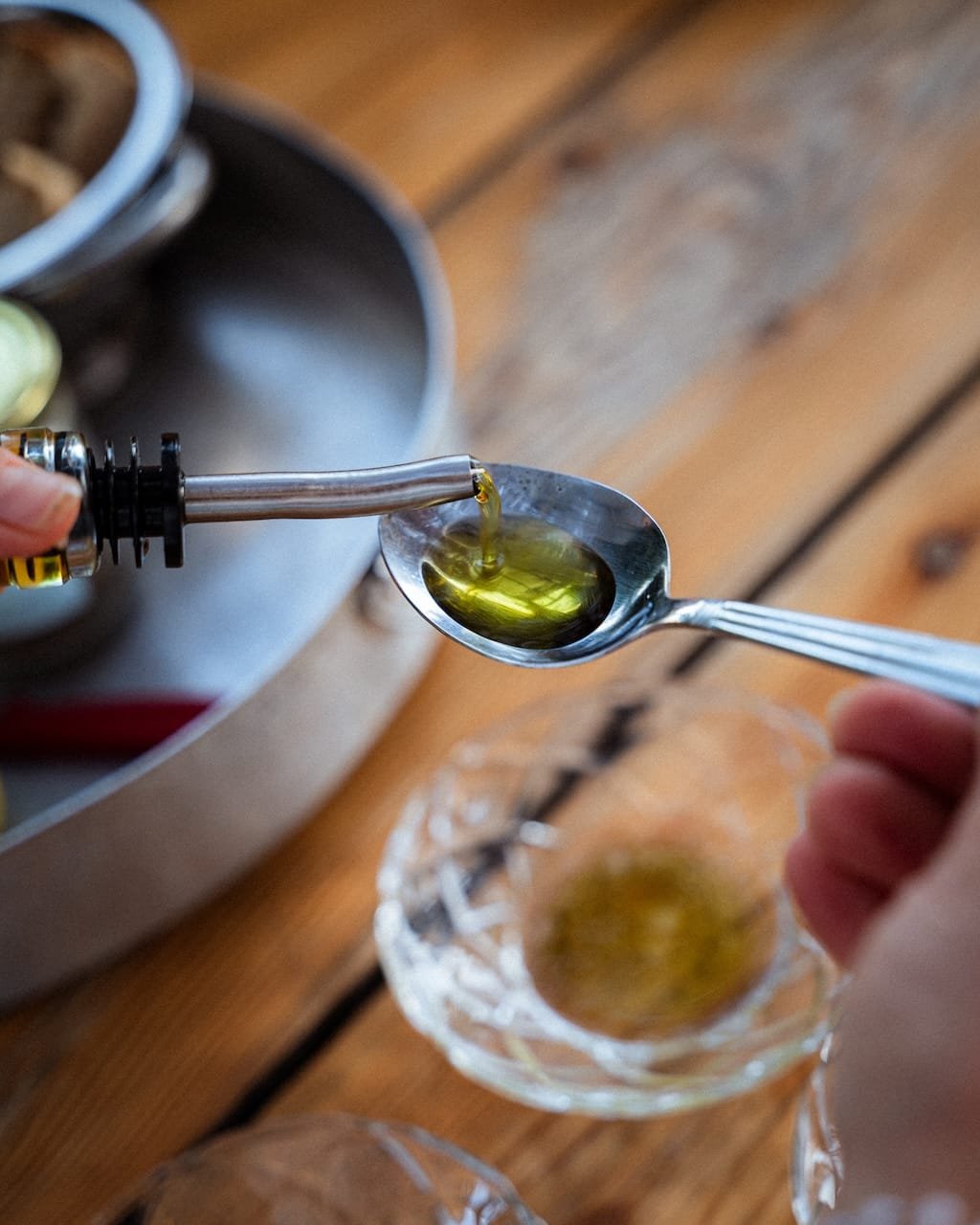
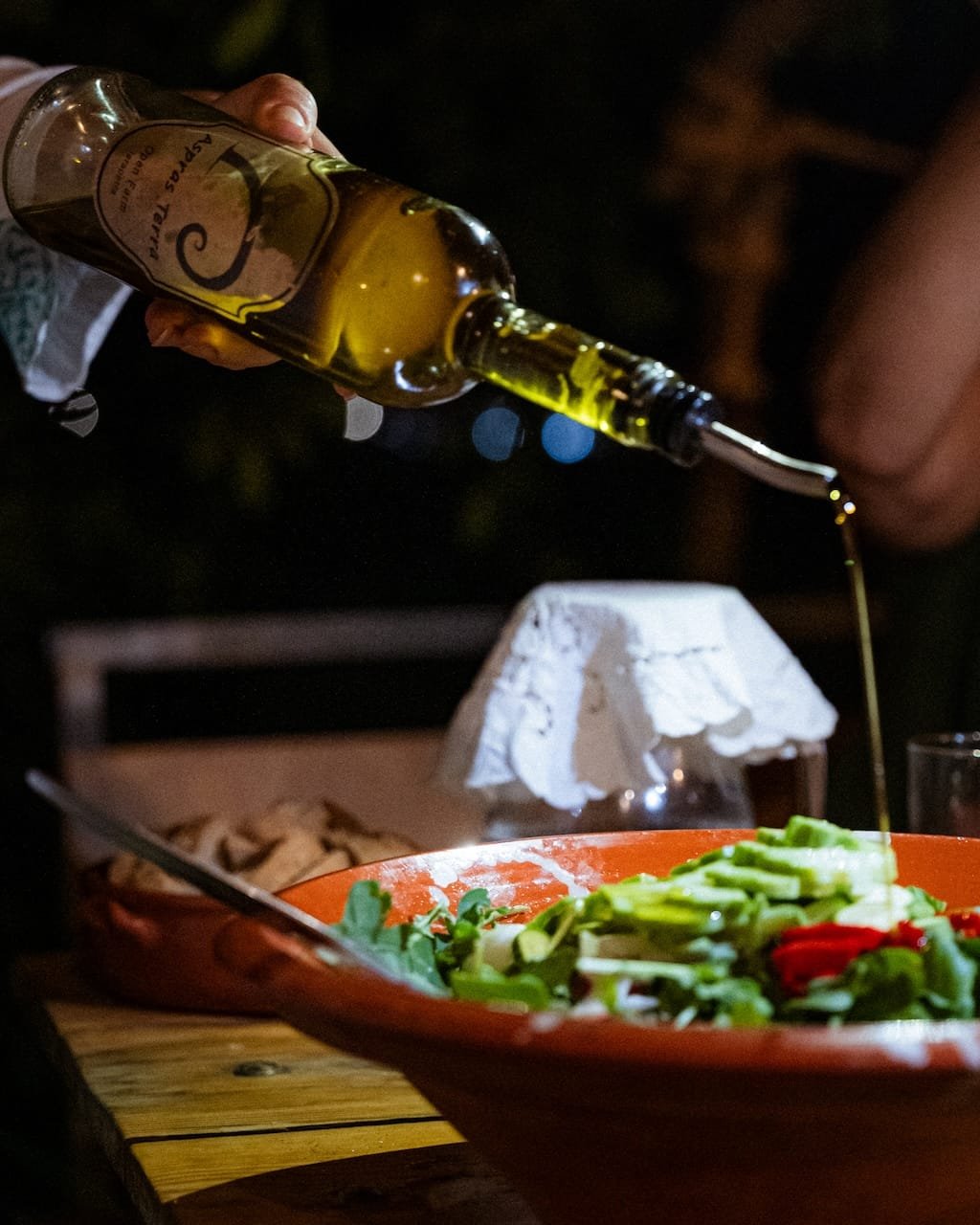
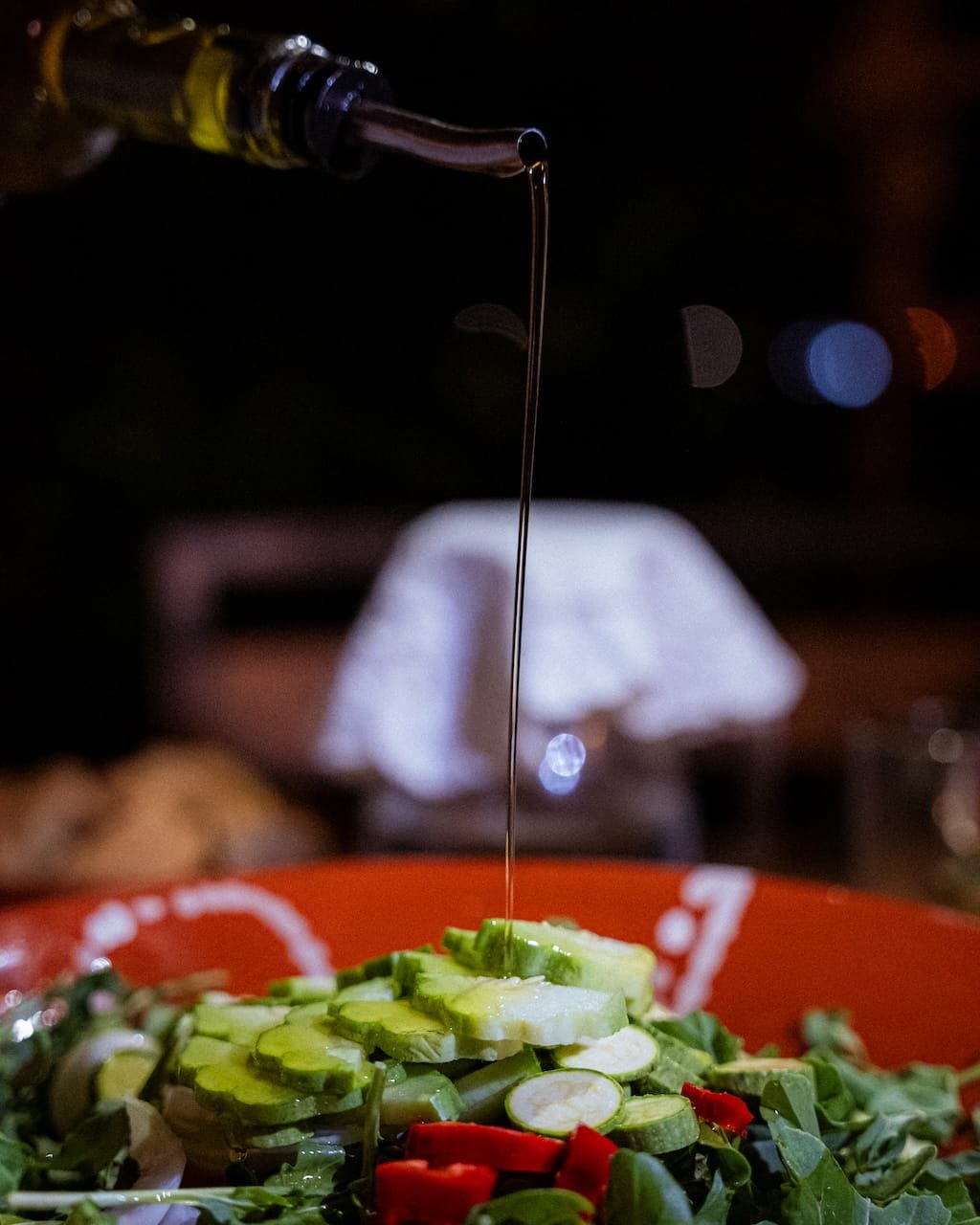
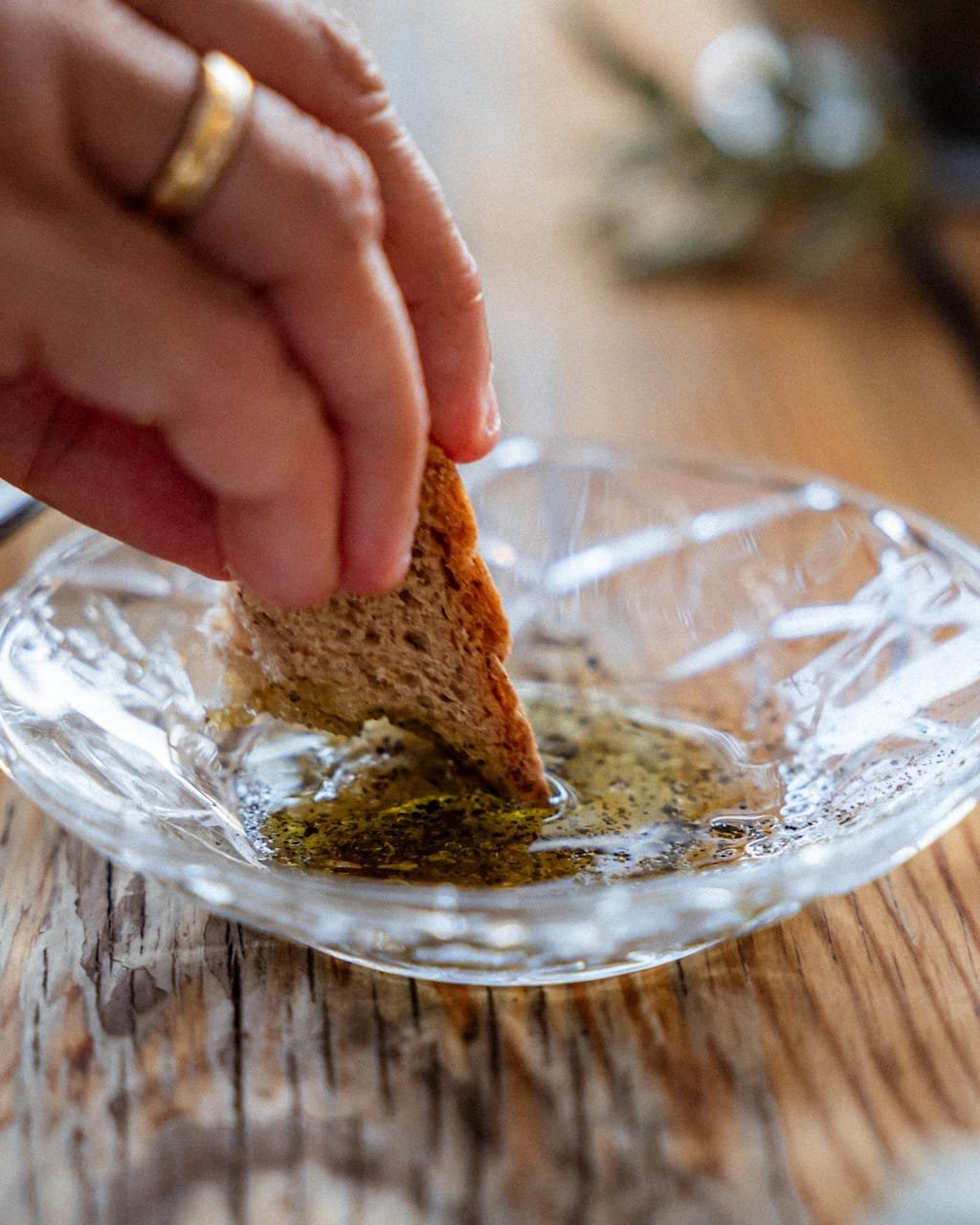
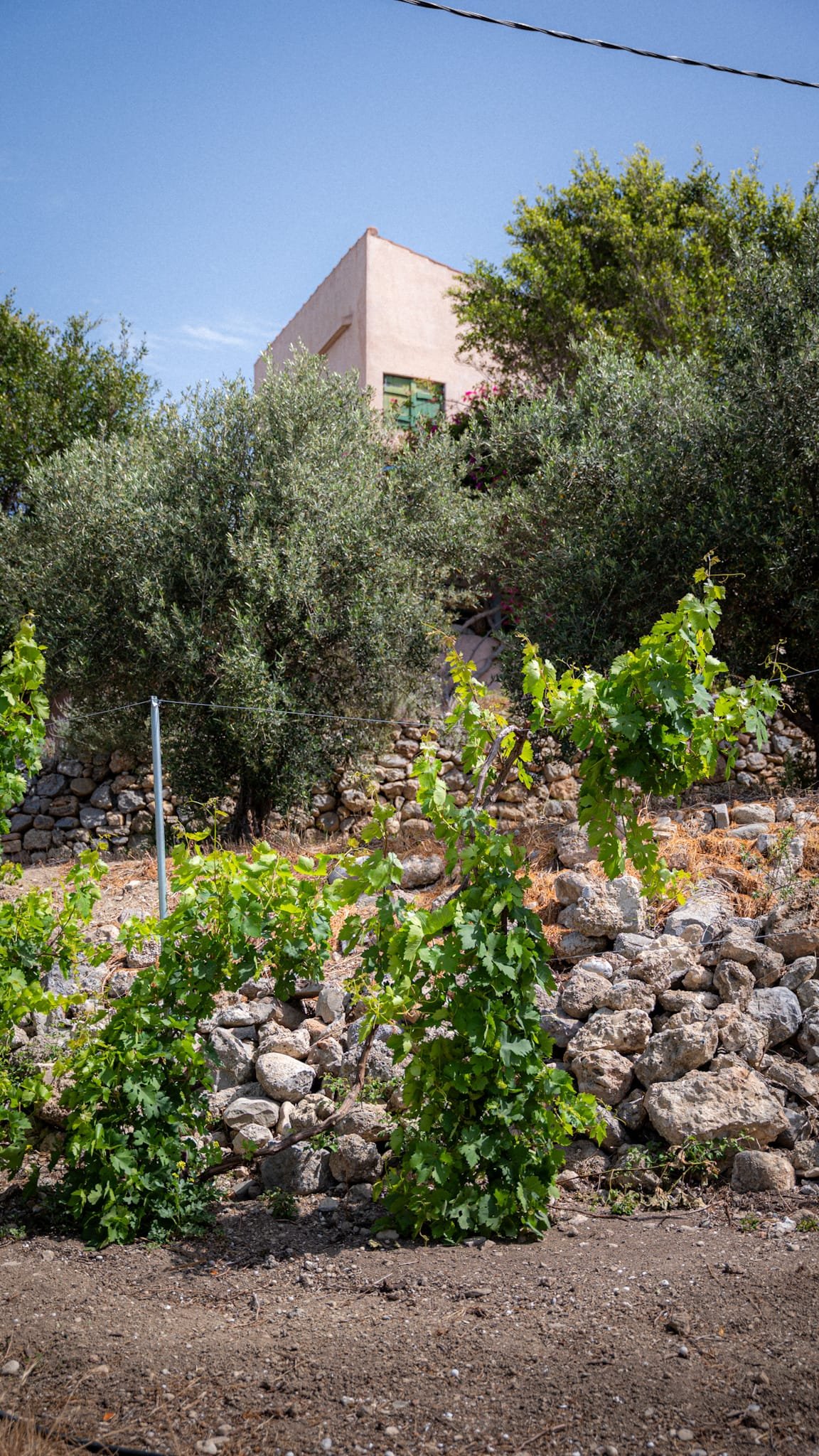
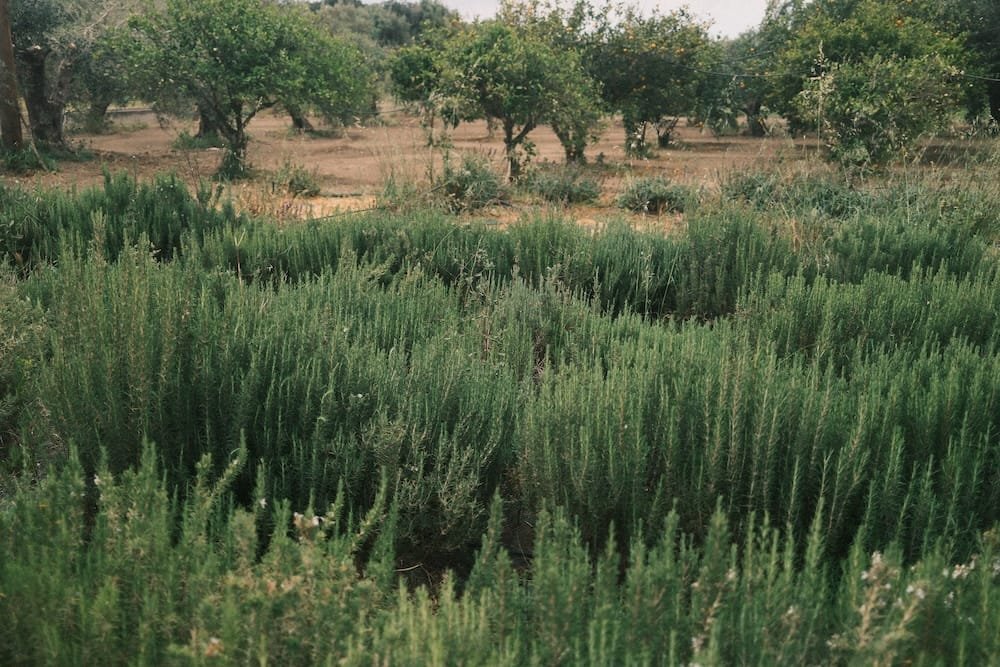
Crete’s olive groves are not just picturesque – they are an economic lifeline. The island has 35–37 million olive trees covering two thirds of its cultivated land and produces 60,000–120,000 tons of olive oil annually. Around 74 percent of Cretan olive oil tested at the Sensory Evaluation Laboratory is classified as extra virgin, highlighting its quality. At Aspras Terra you taste oil from the family’s grove and learn about harvesting, milling and storage. The hosts explain why the olive harvest is celebrated every year and how modern production balances tradition with innovation.
Science meets tradition
Farm-to-Table in Crete
Why is the Cretan diet so healthy? Scientists believe that its benefits stem from synergy between ingredients and lifestyle. The combination of monounsaturated fats in olive oil with polyunsaturated fats from fish, grains and legumes, along with antioxidants and fibre, reduces inflammation and oxidative stress. Studies show that frequent consumption of extra‑virgin olive oil can lower blood pressure, improve cholesterol profiles and reduce the incidence of chronic diseases. At Aspras Terra, tasting oil and cooking dishes gives you an opportunity to apply this science to your own diet.
A day at the farm
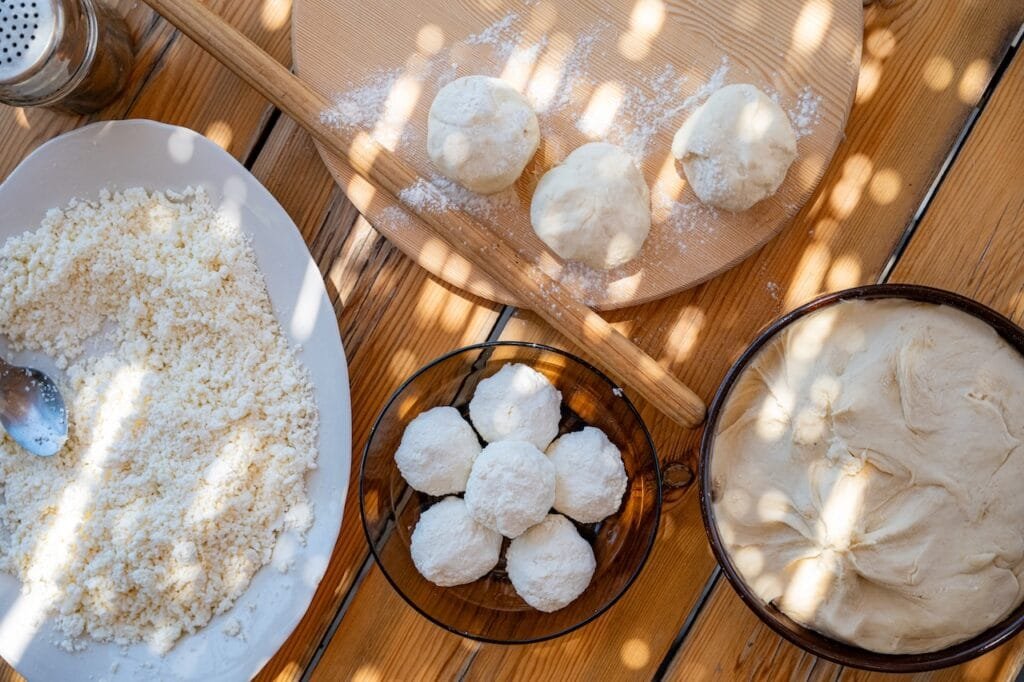
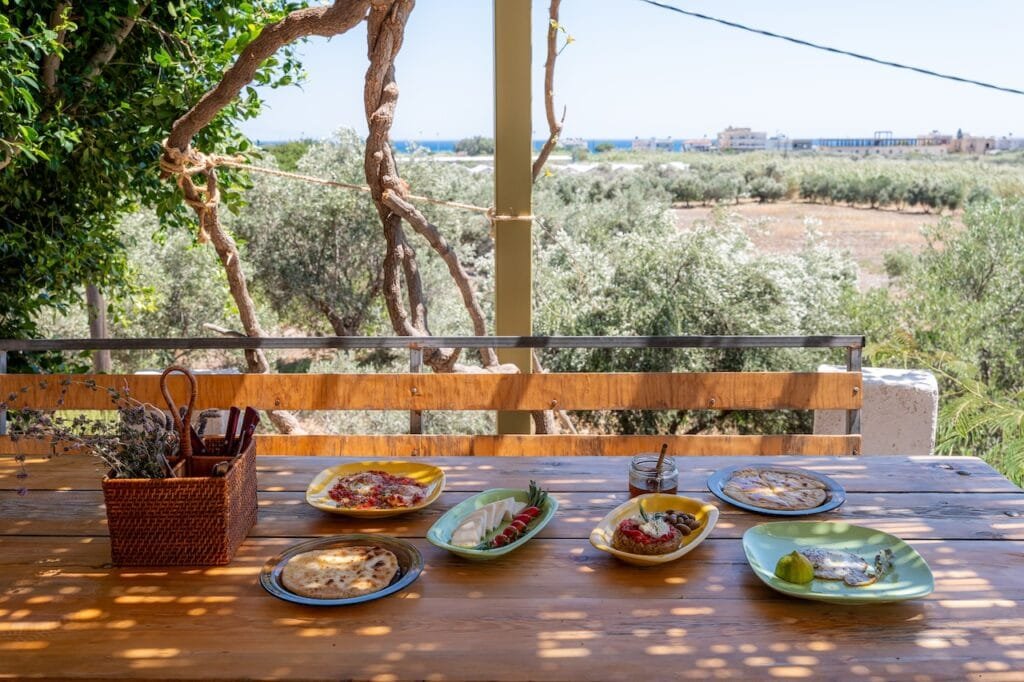
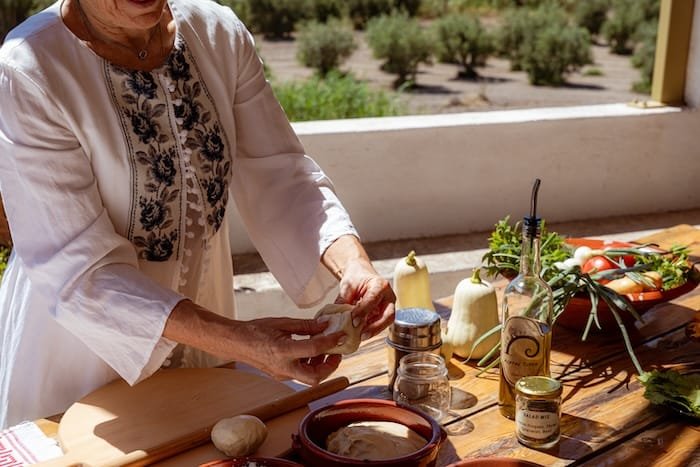
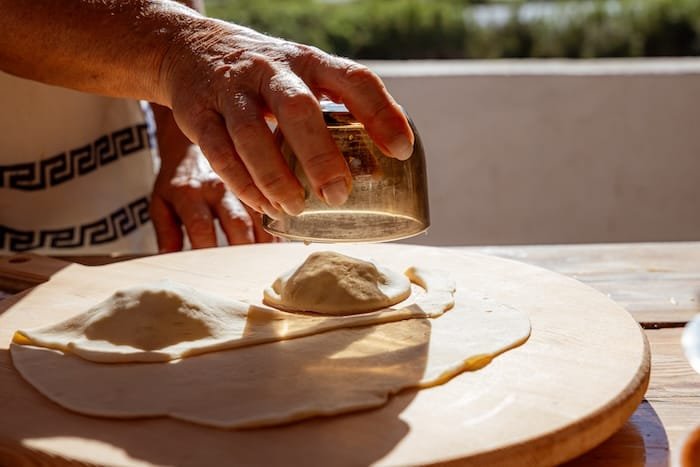
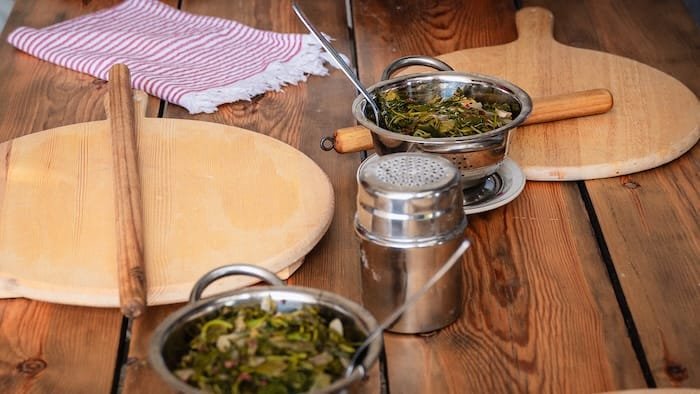
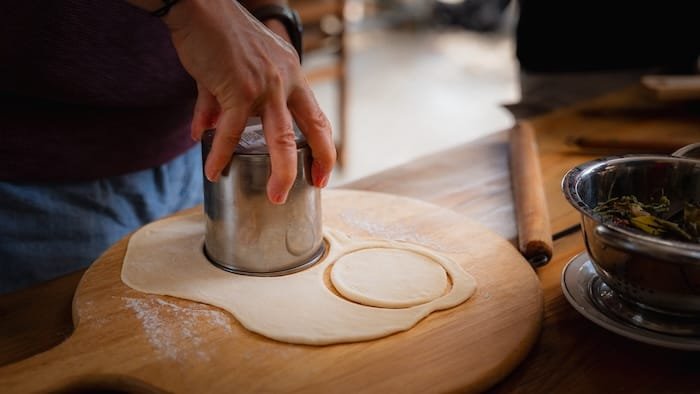
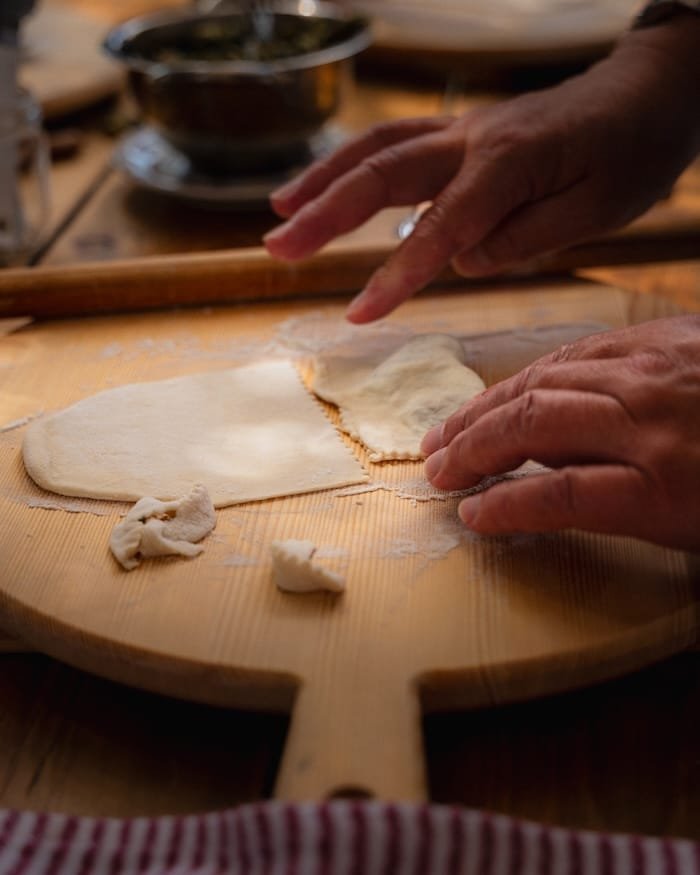
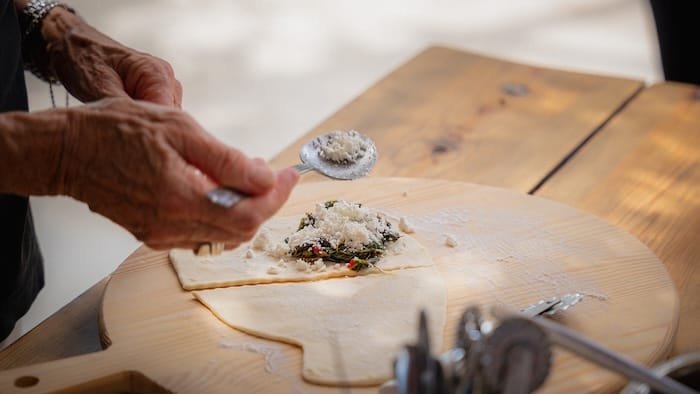
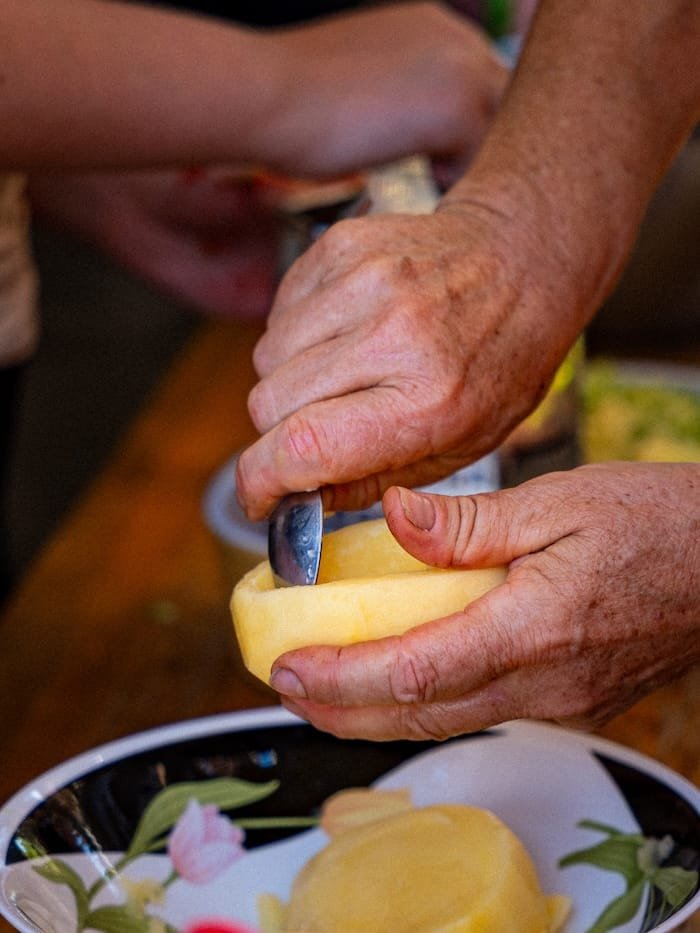
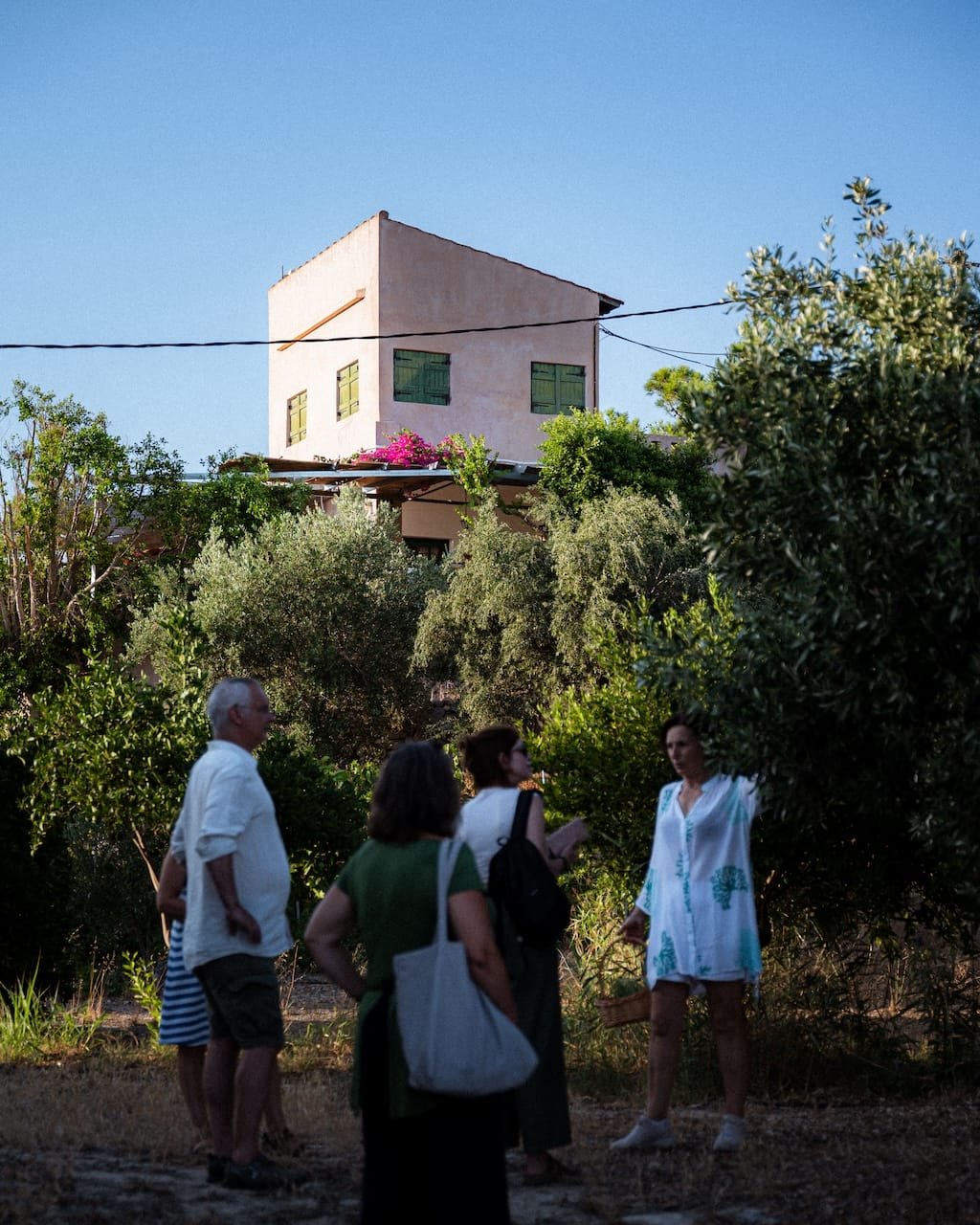
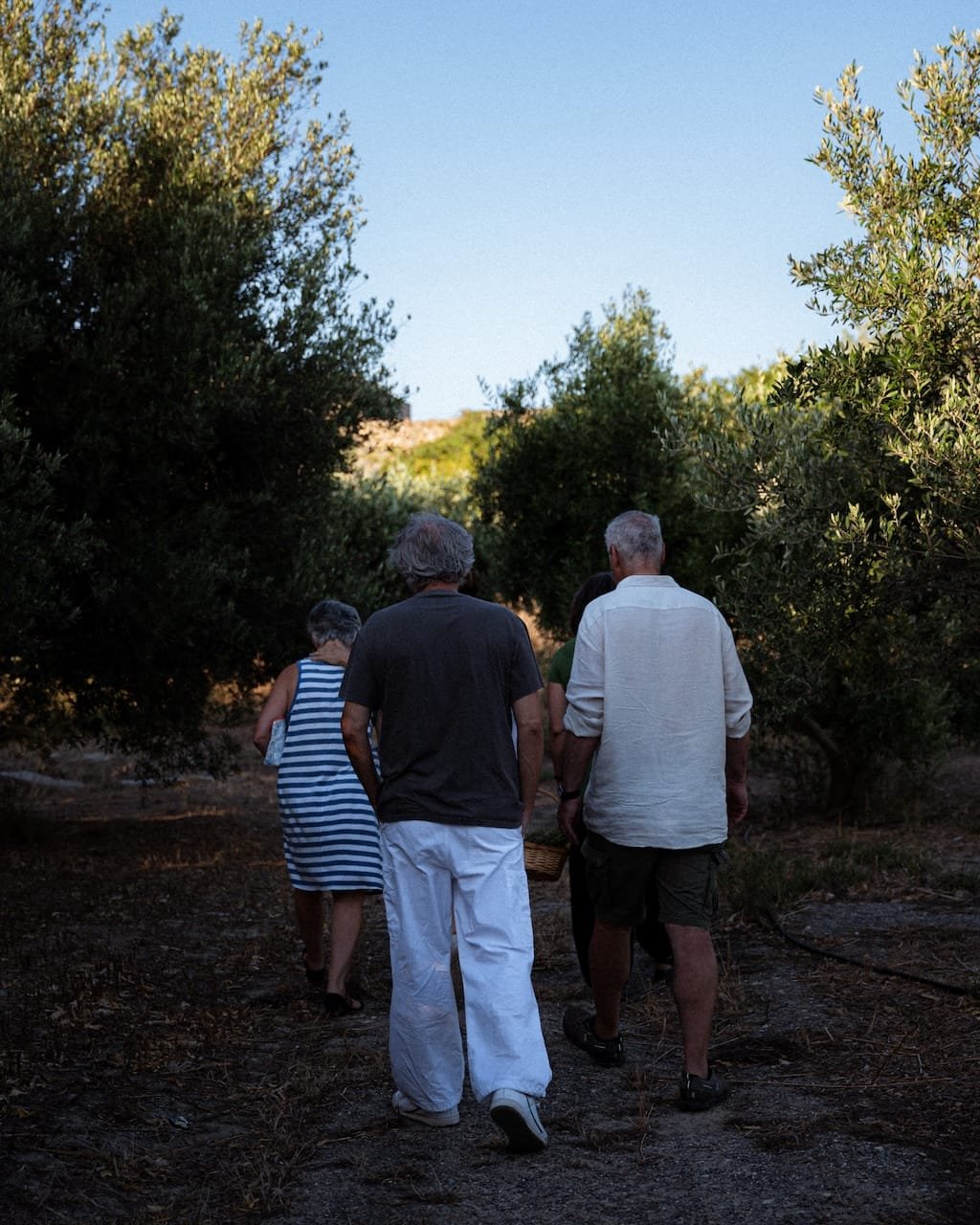
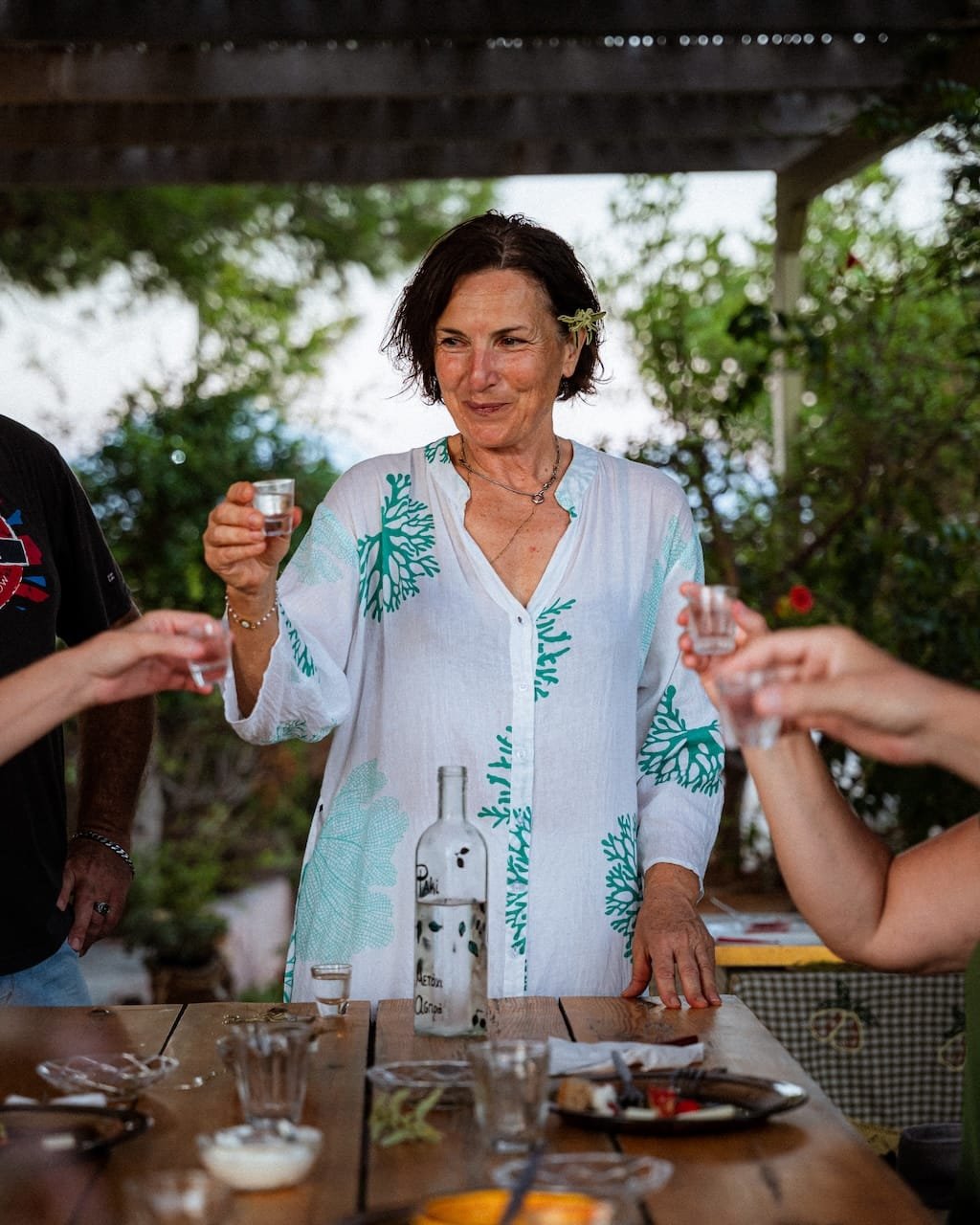
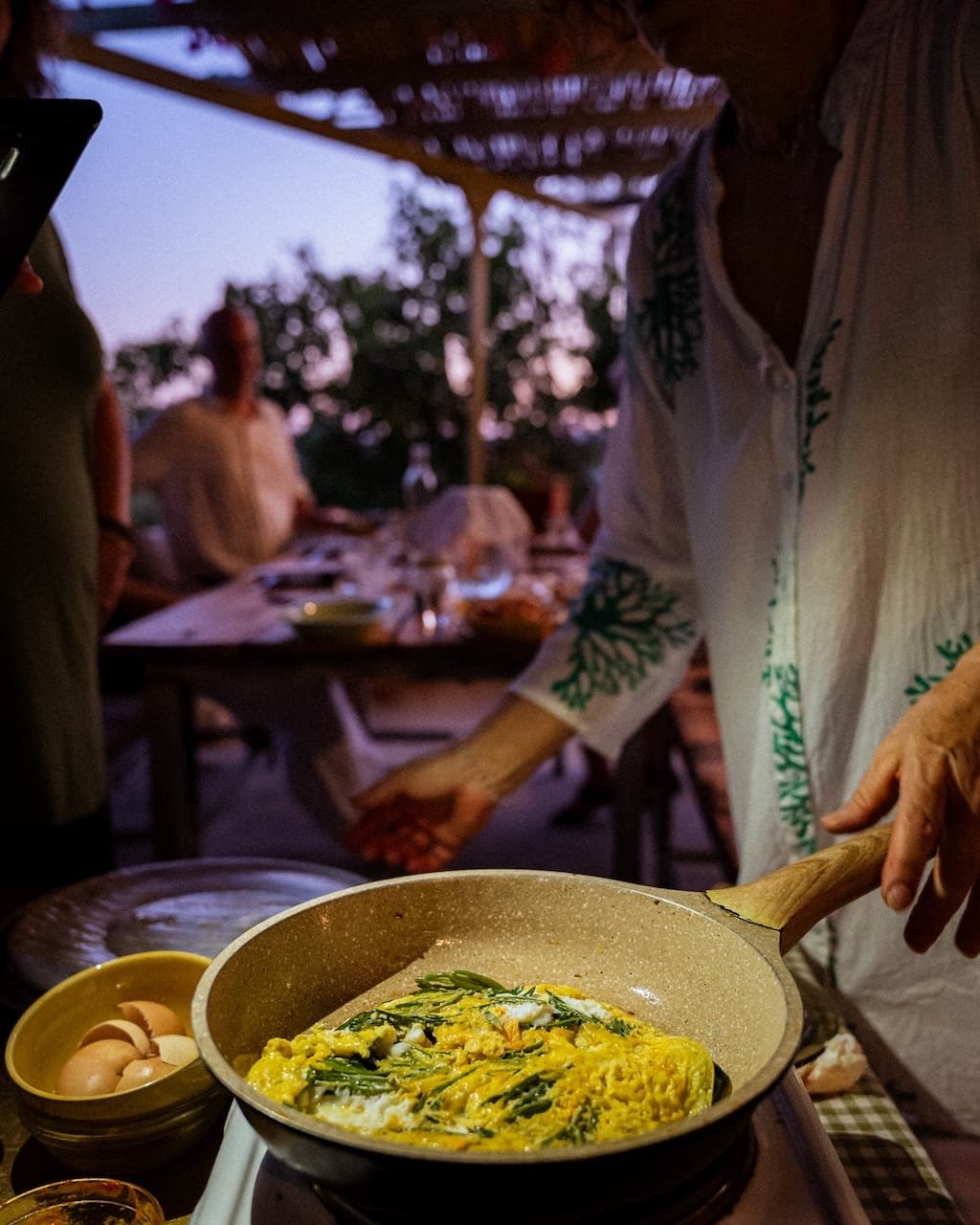
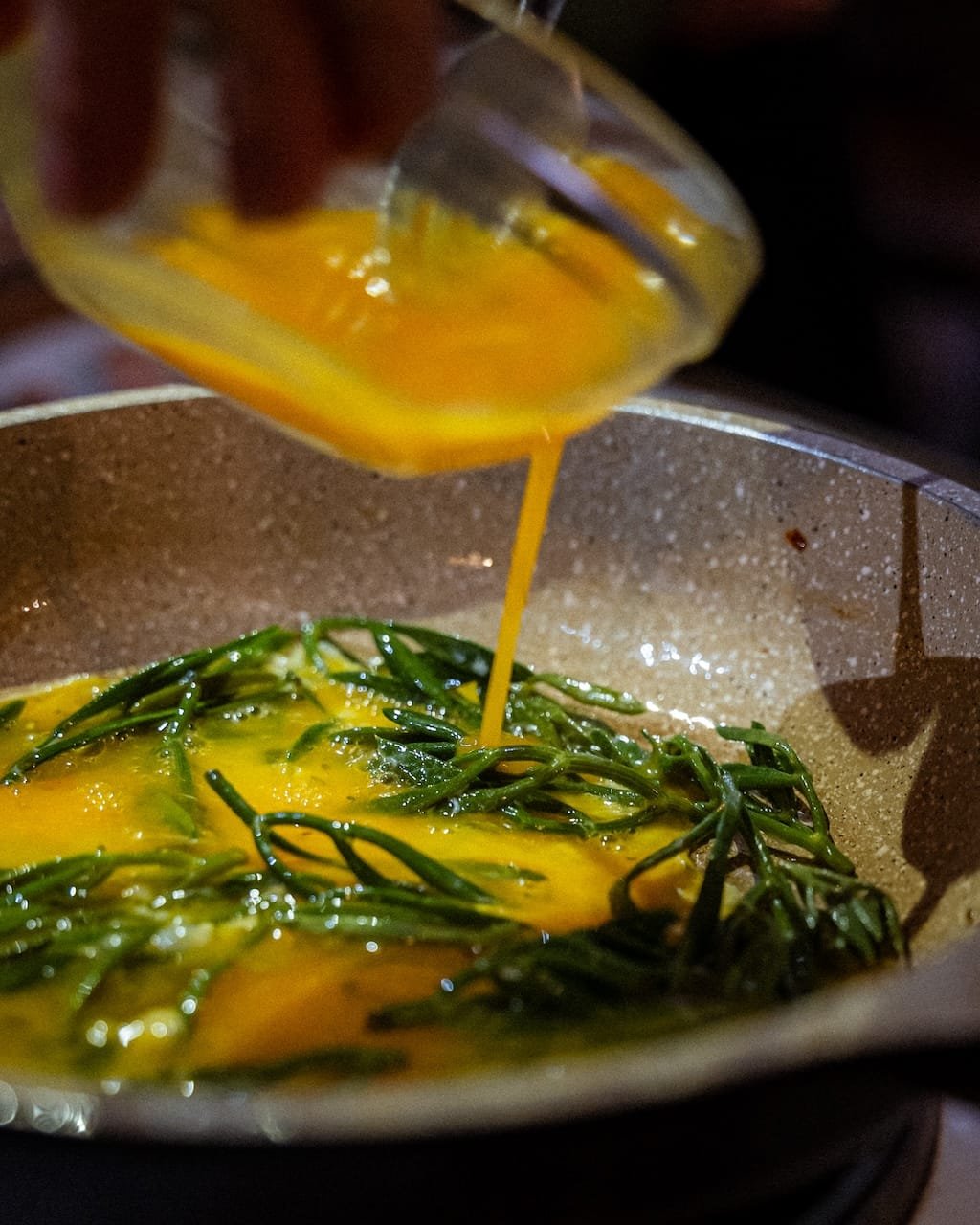
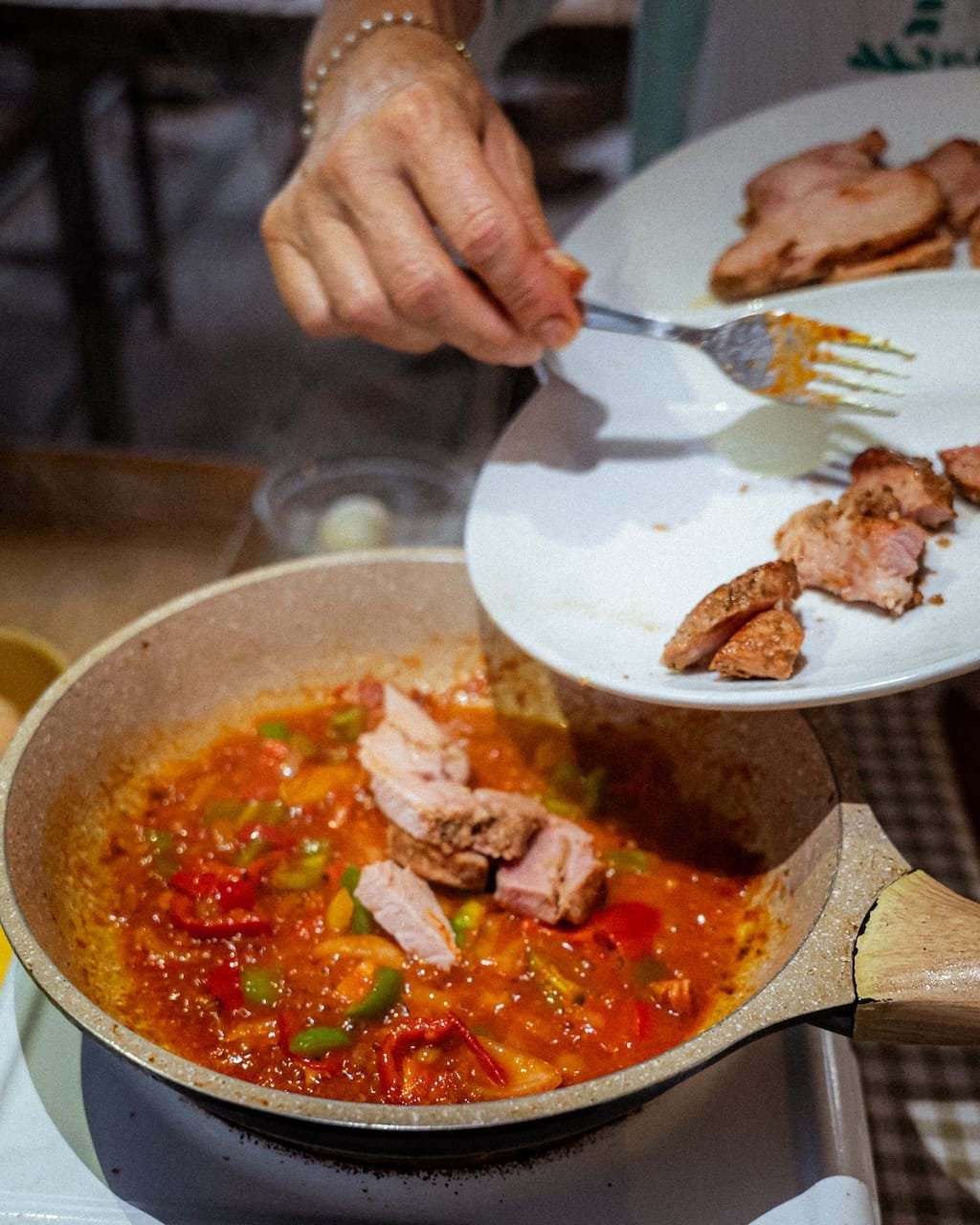
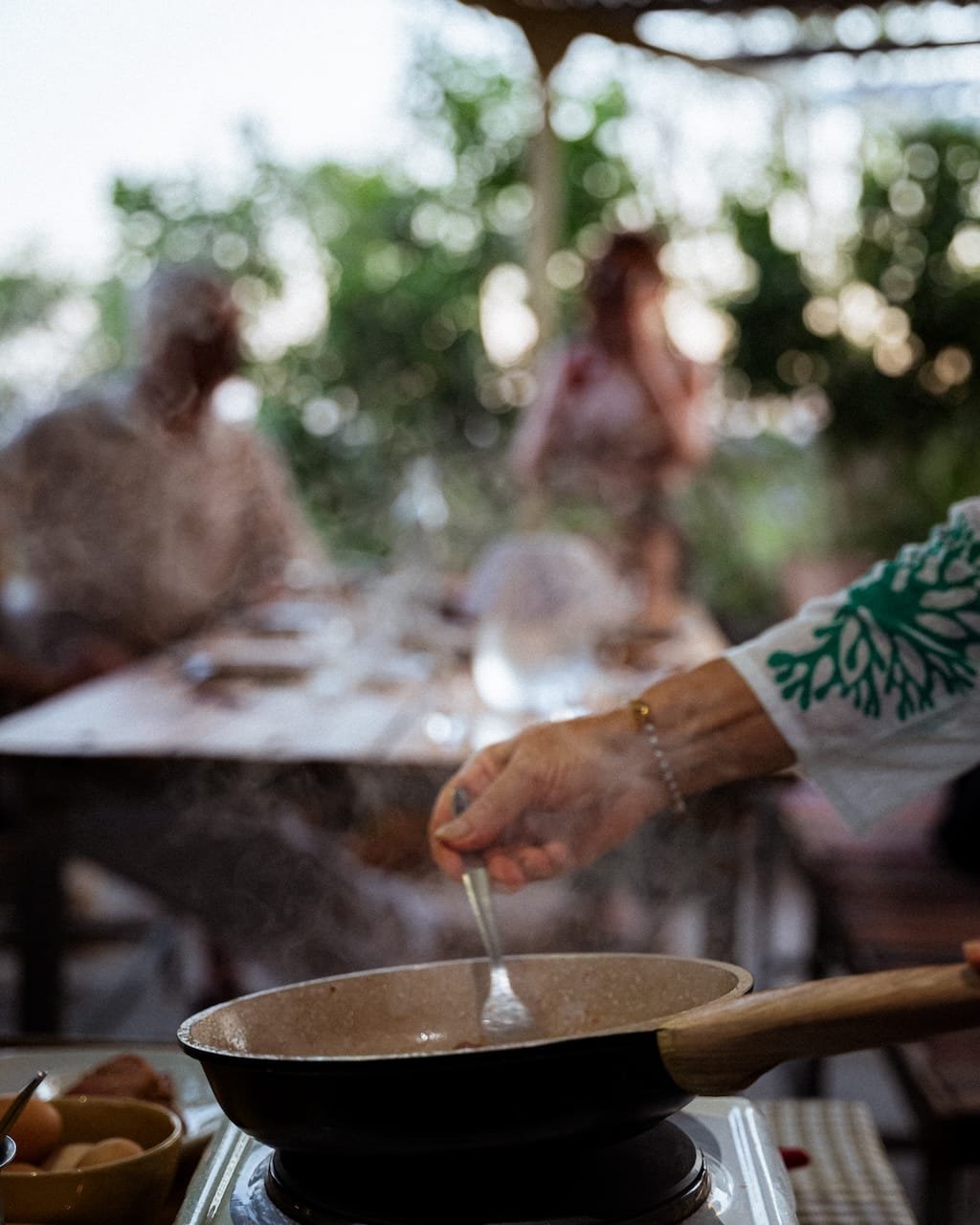
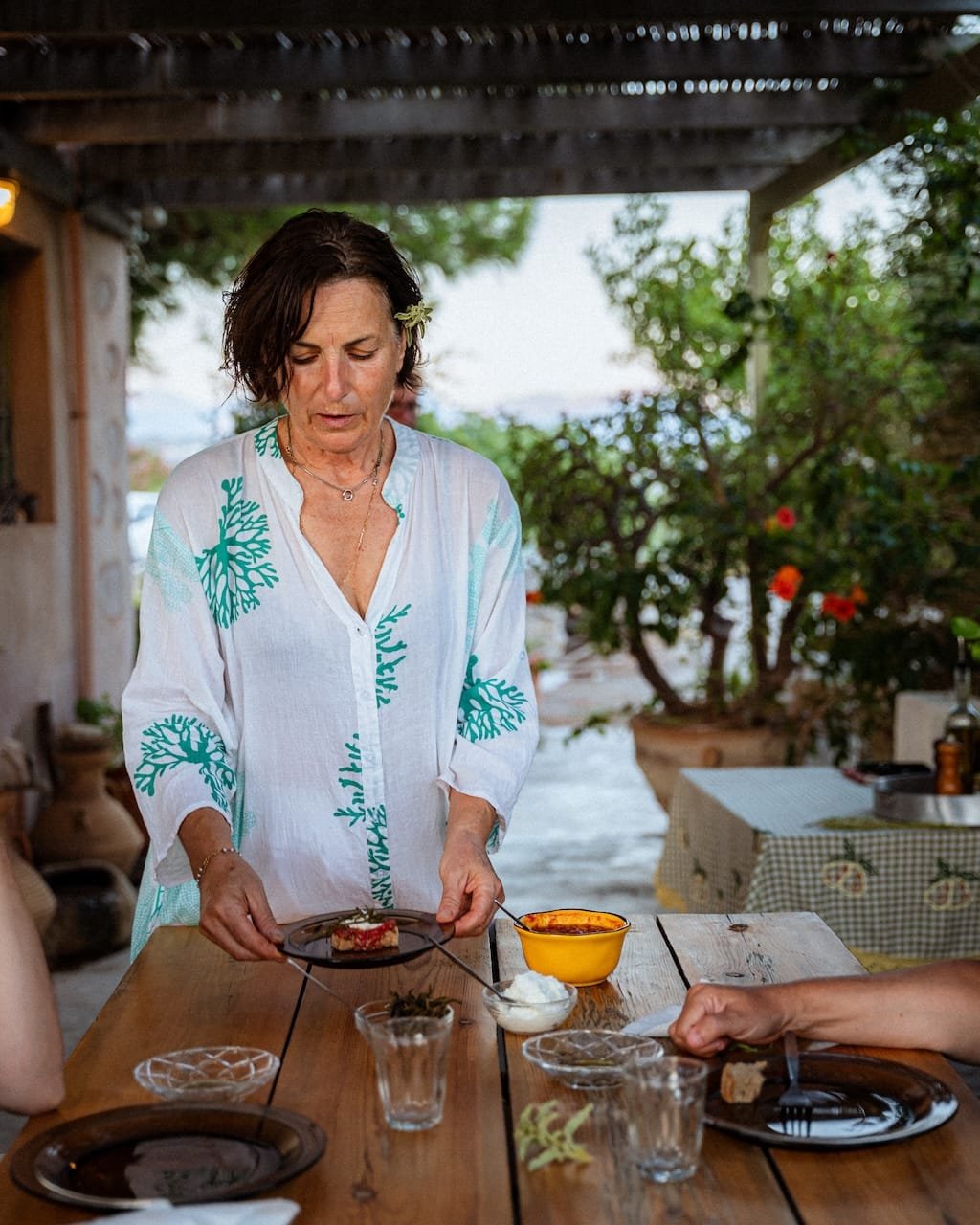
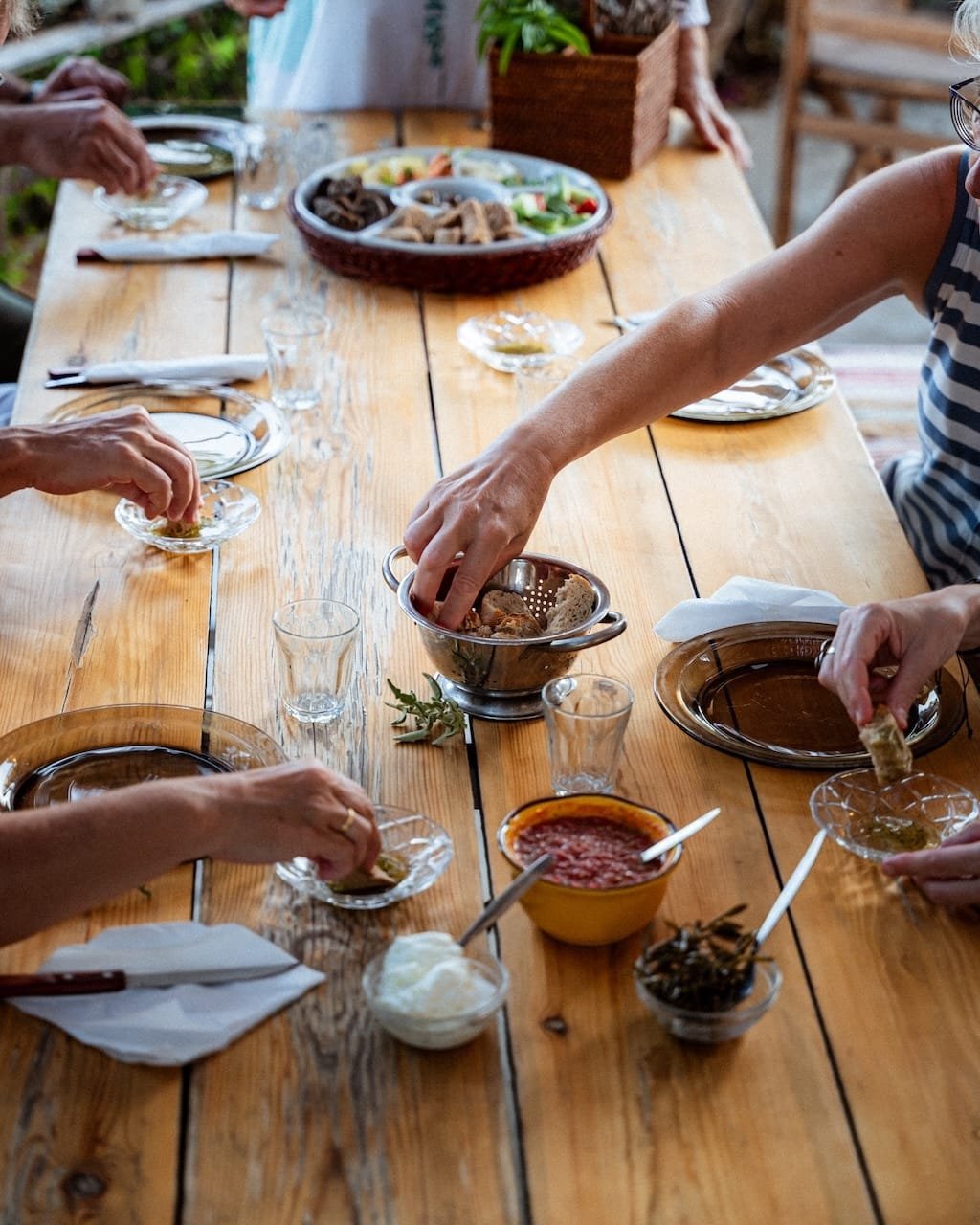
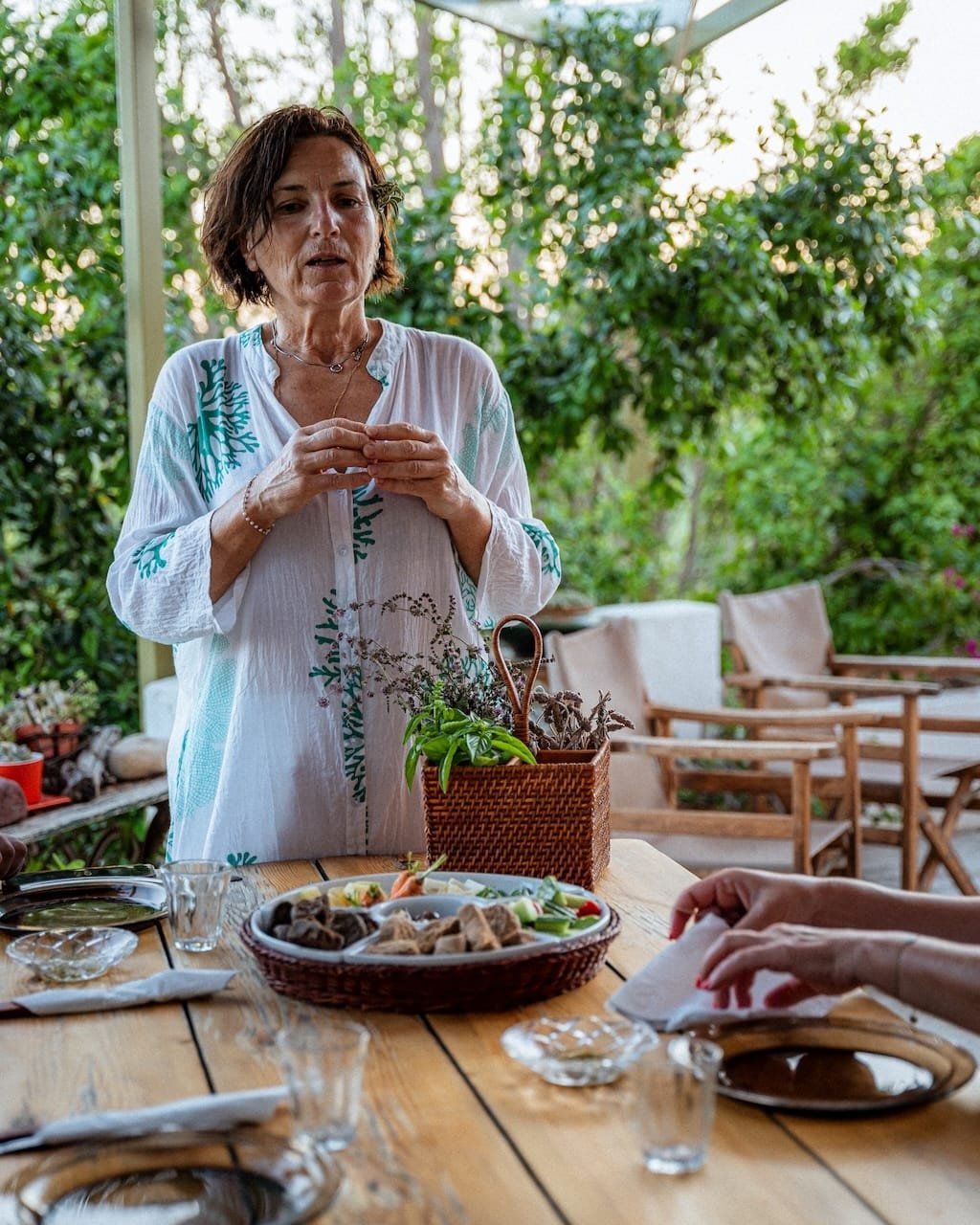
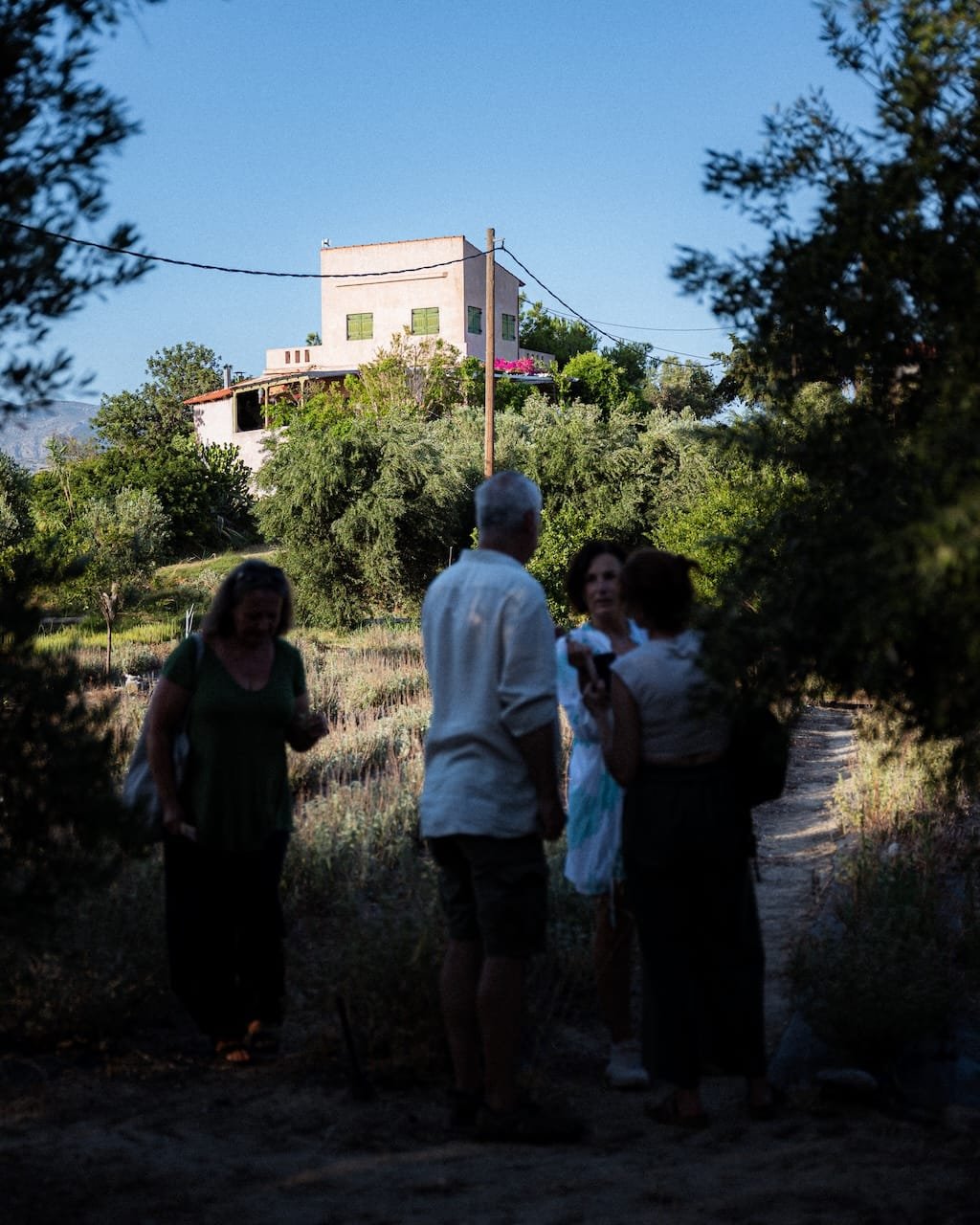
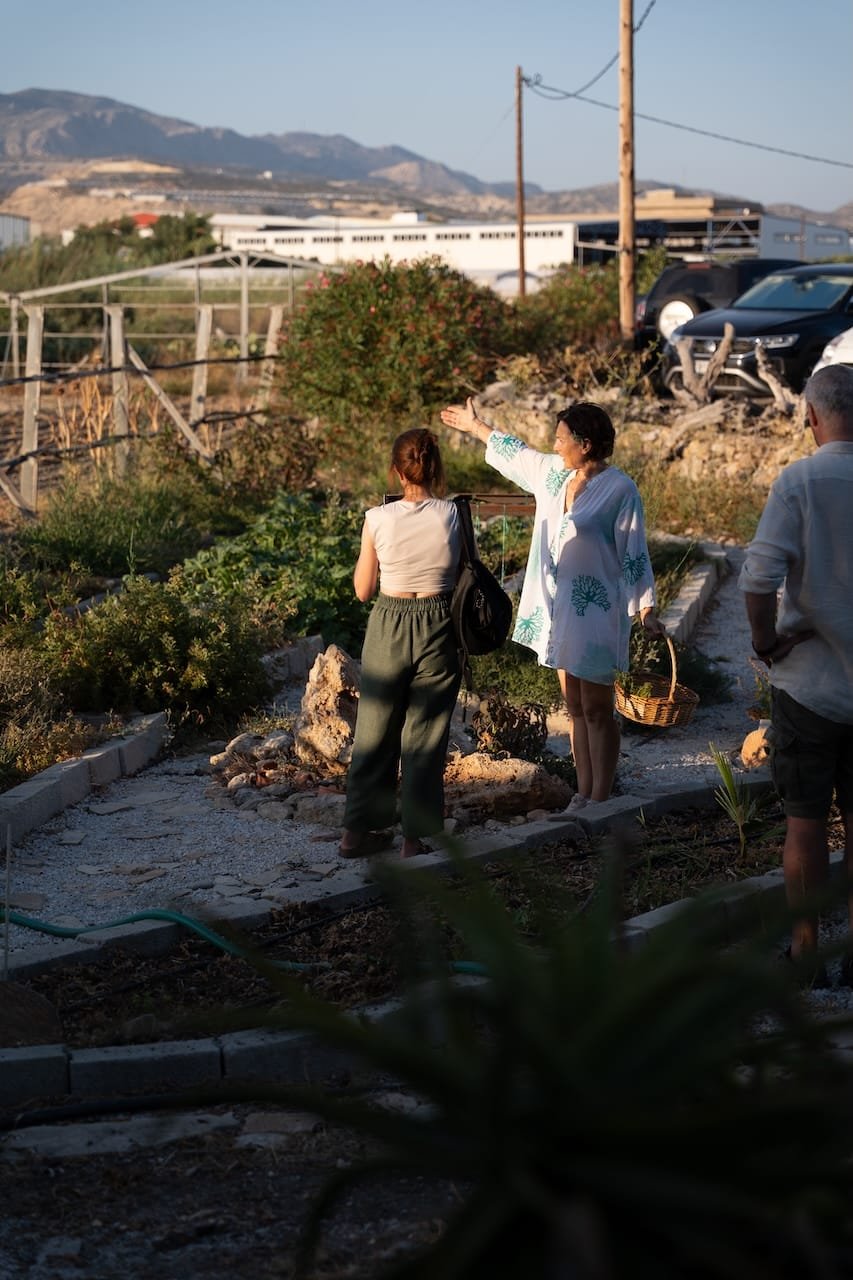
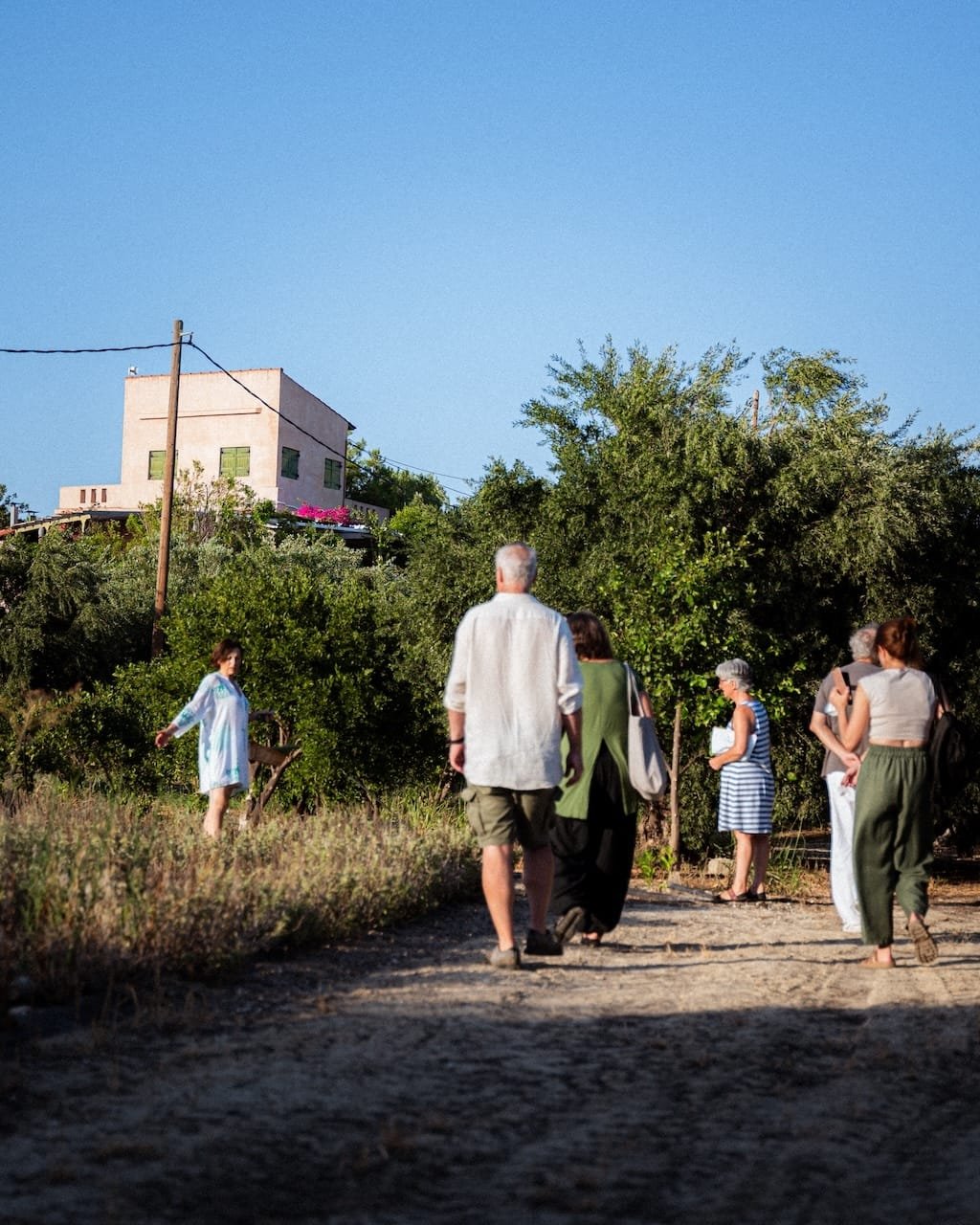
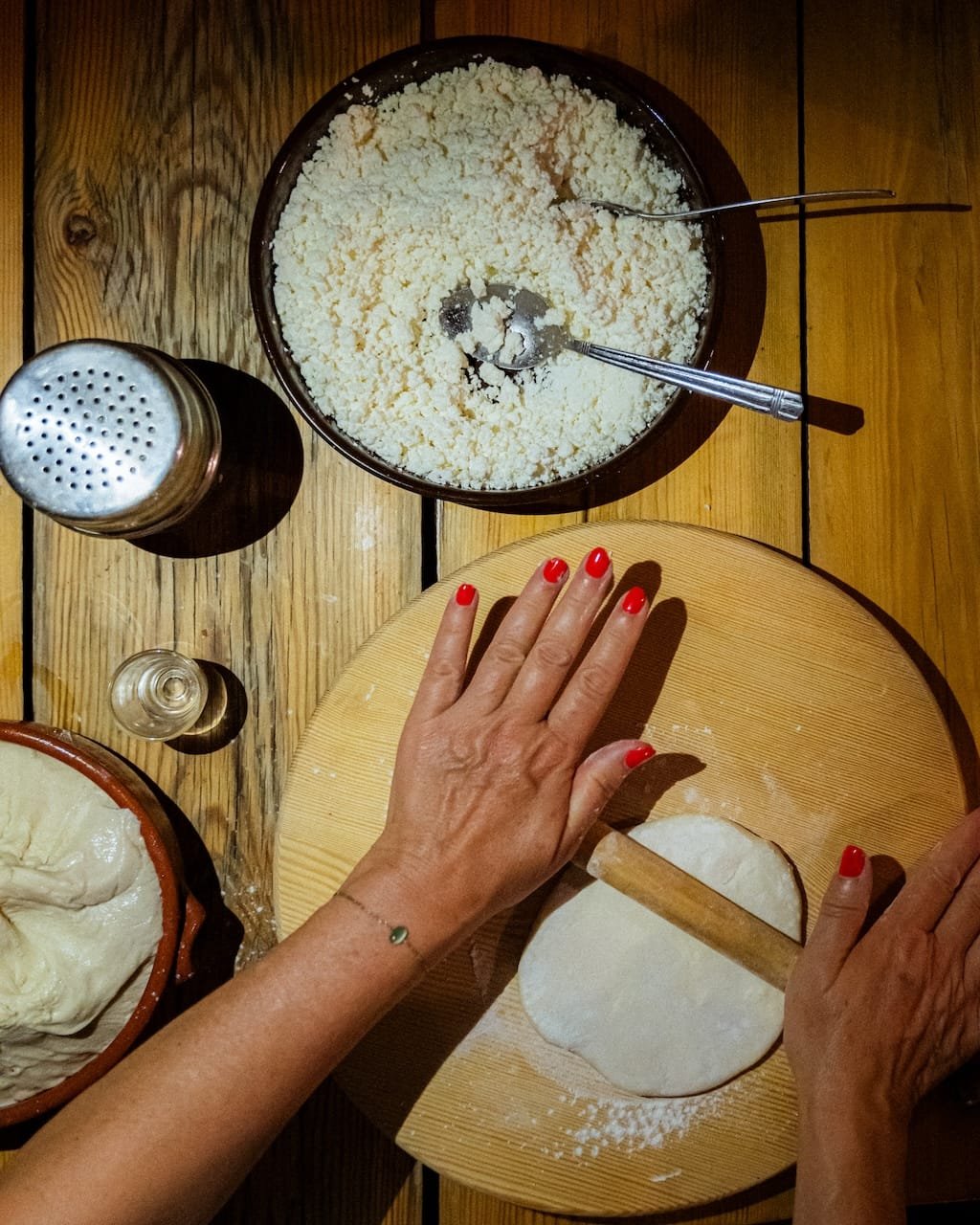
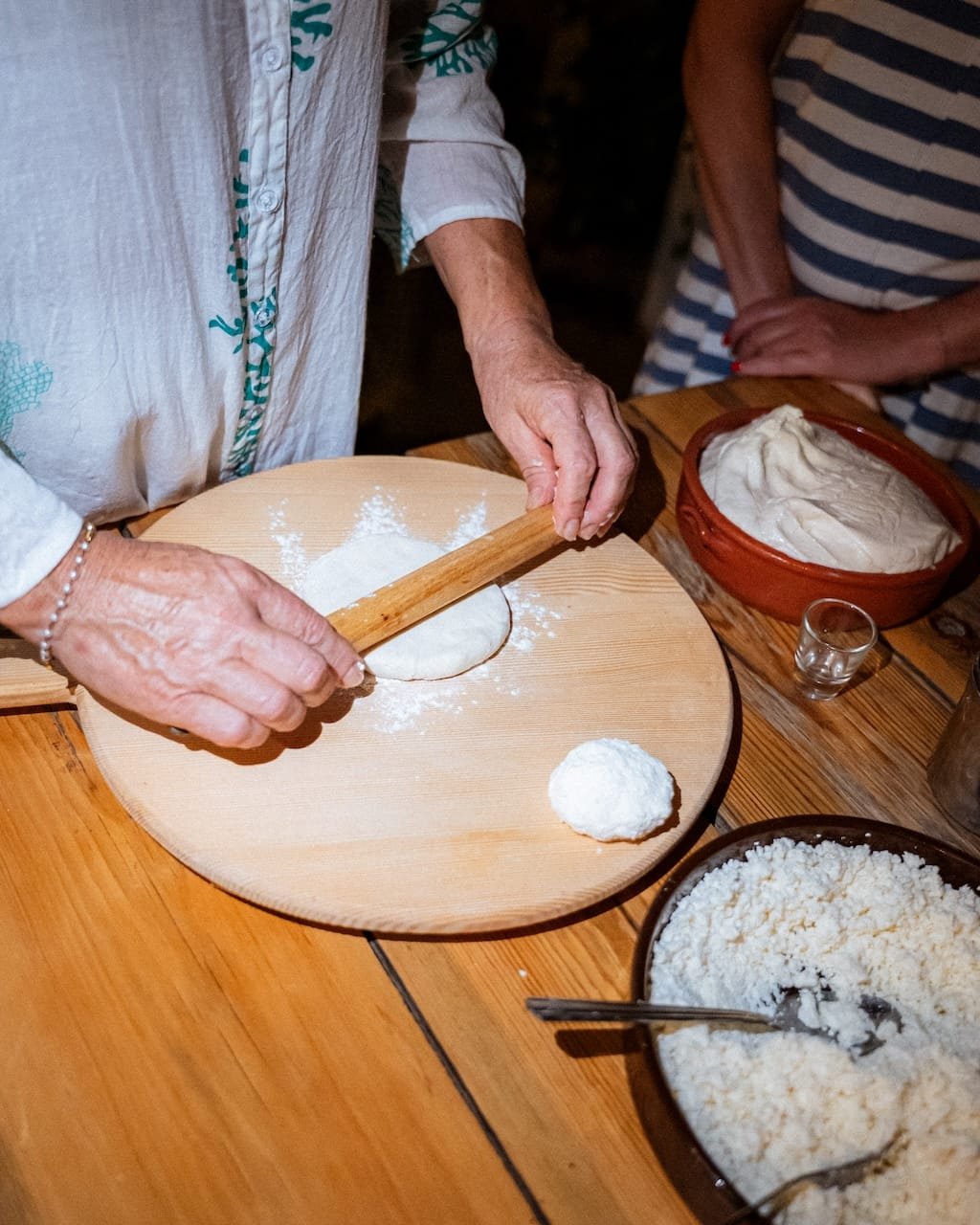
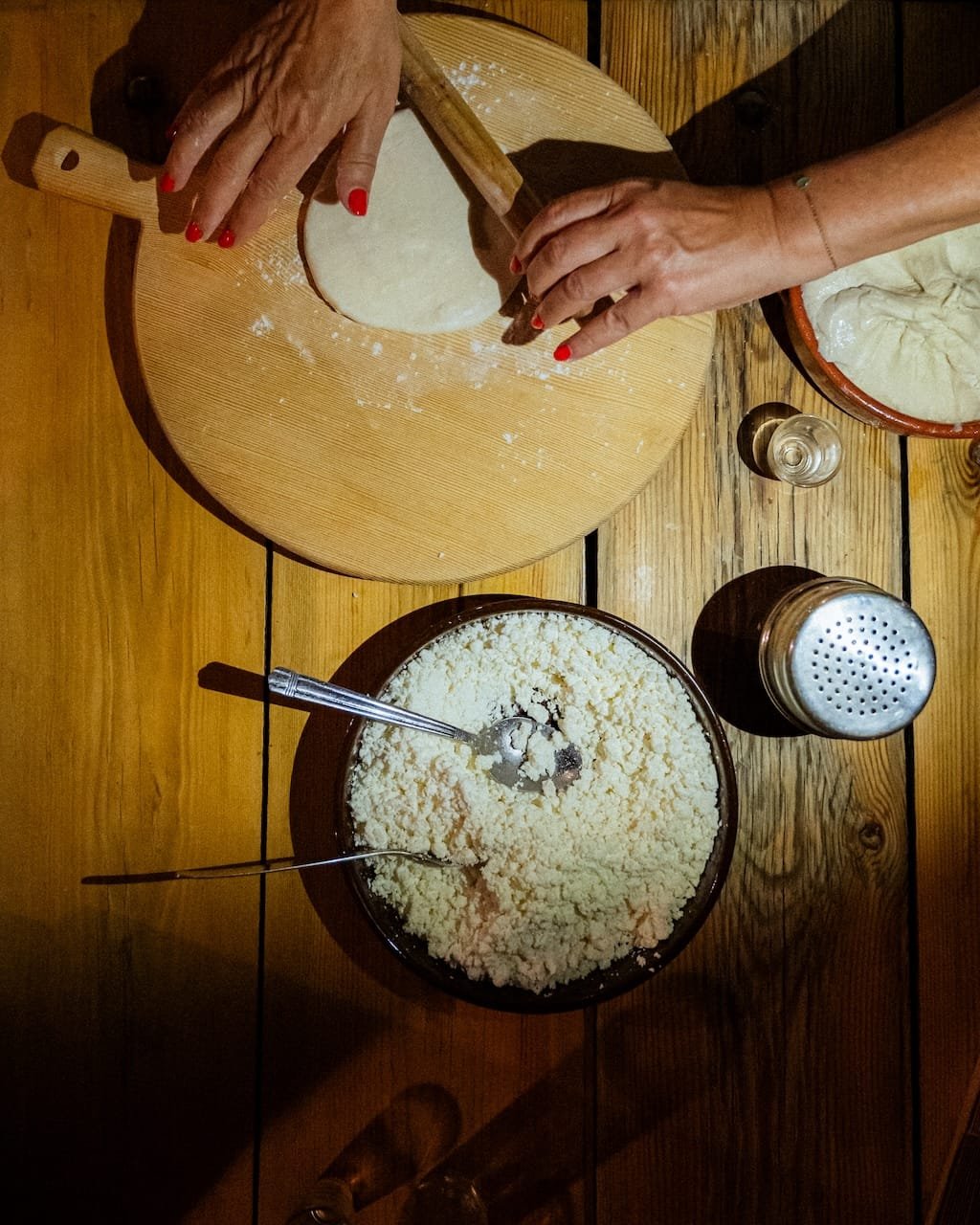
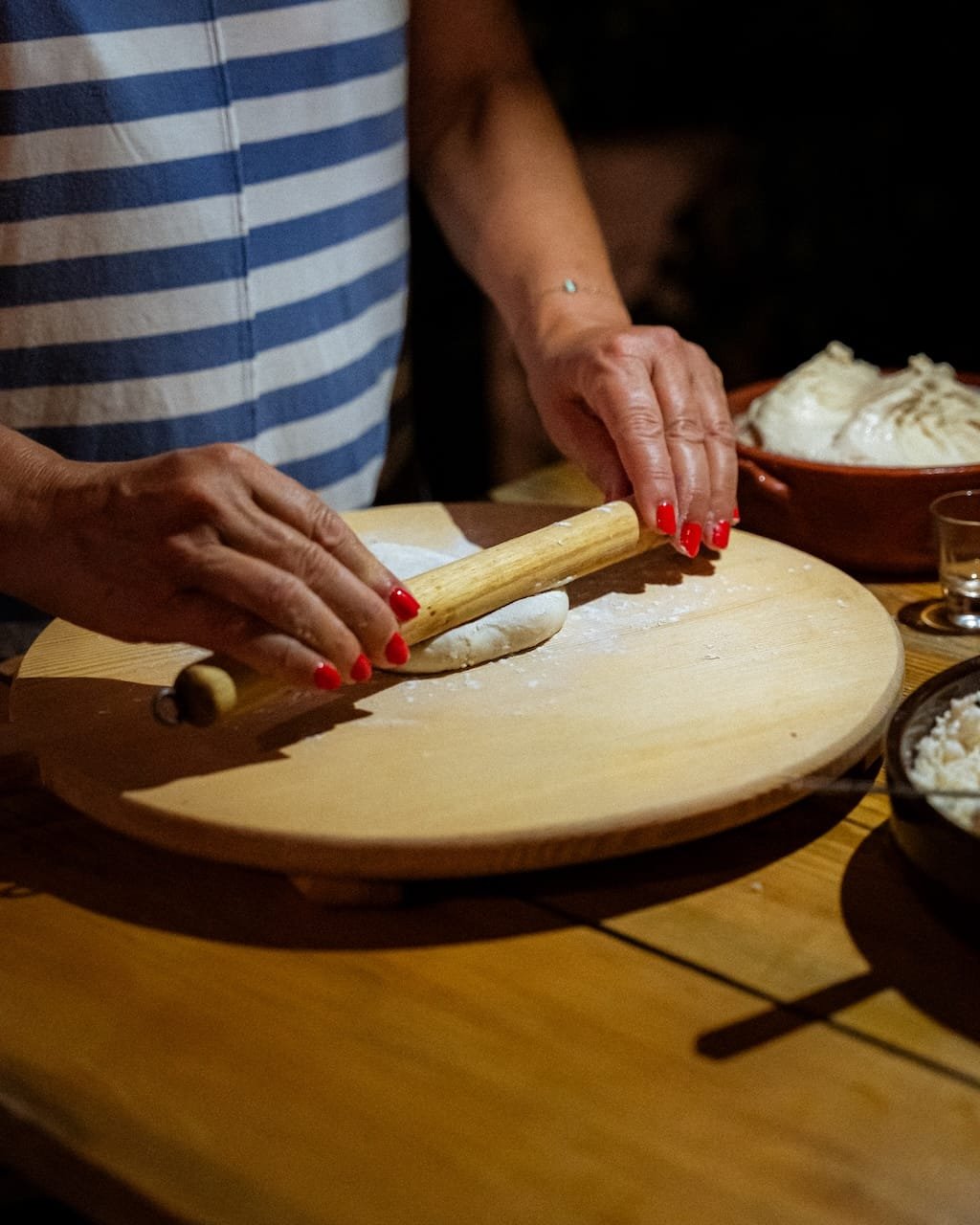
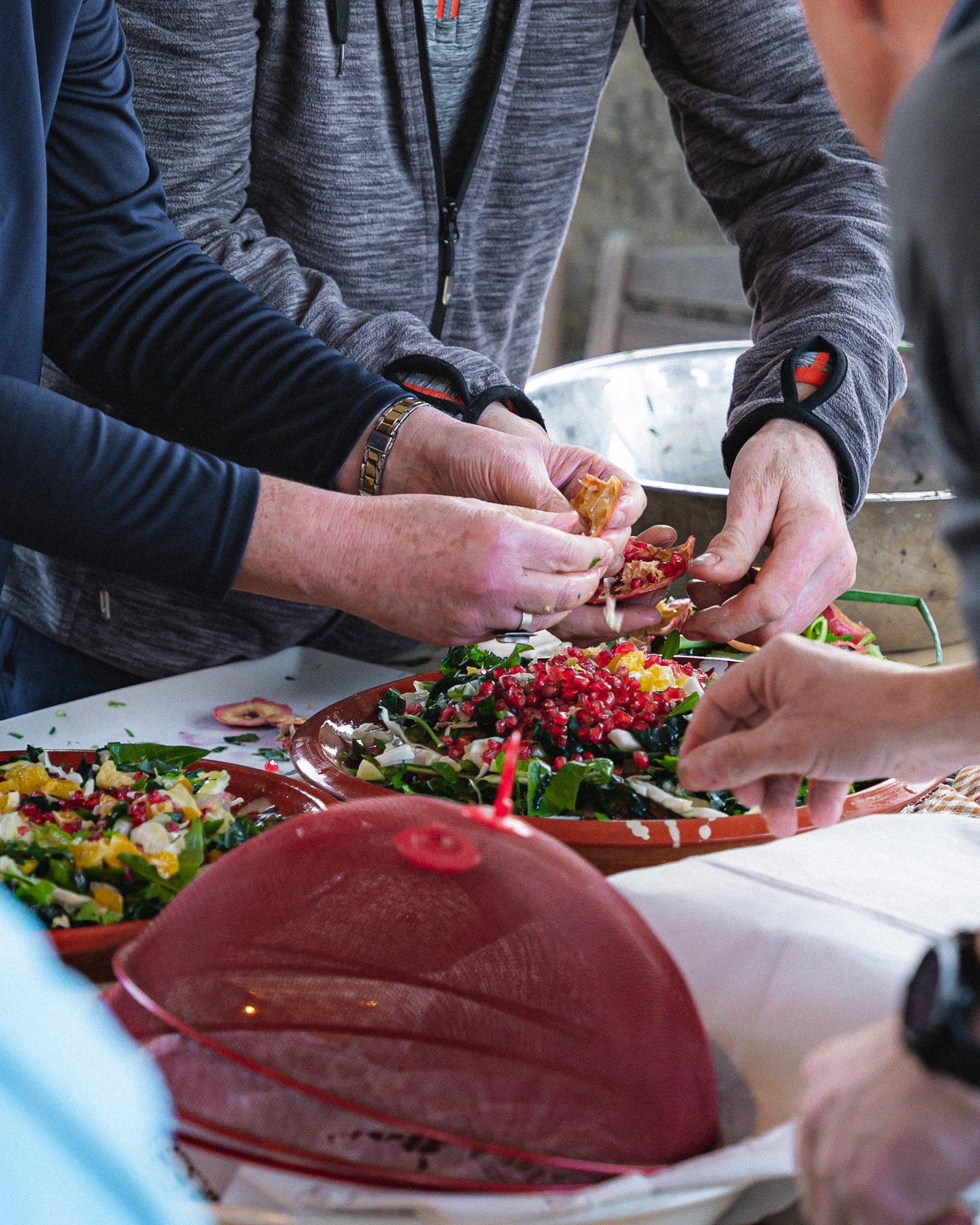
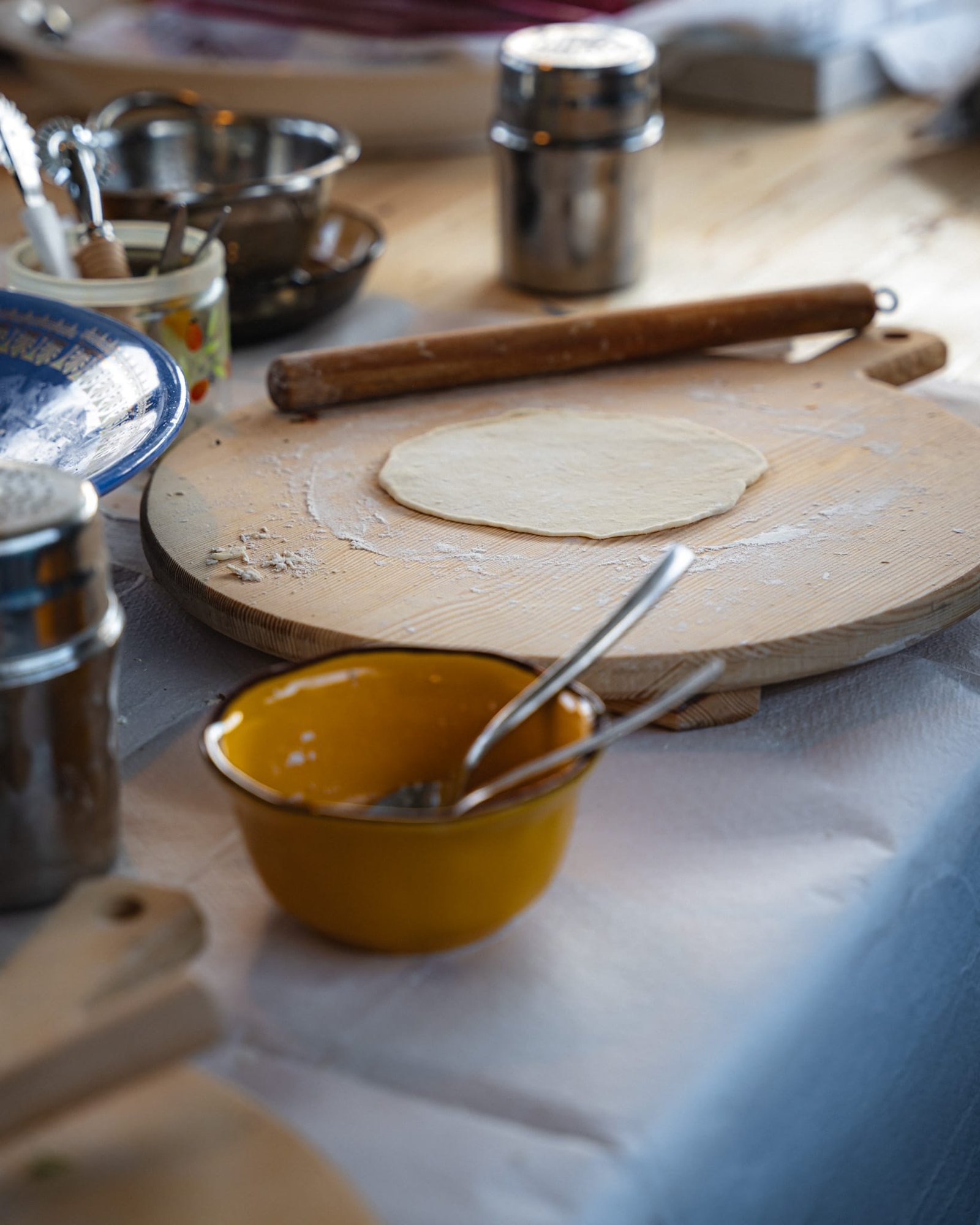
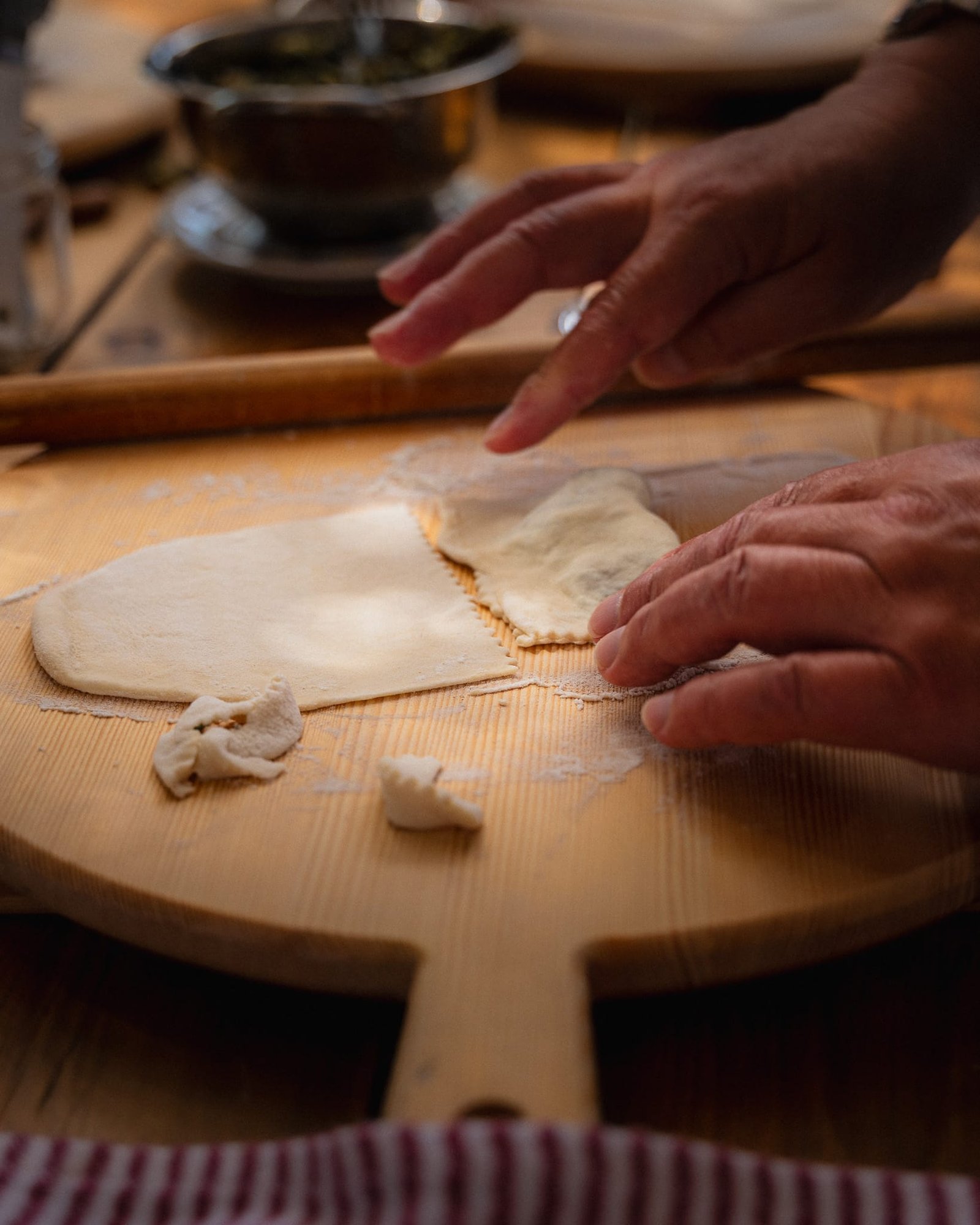
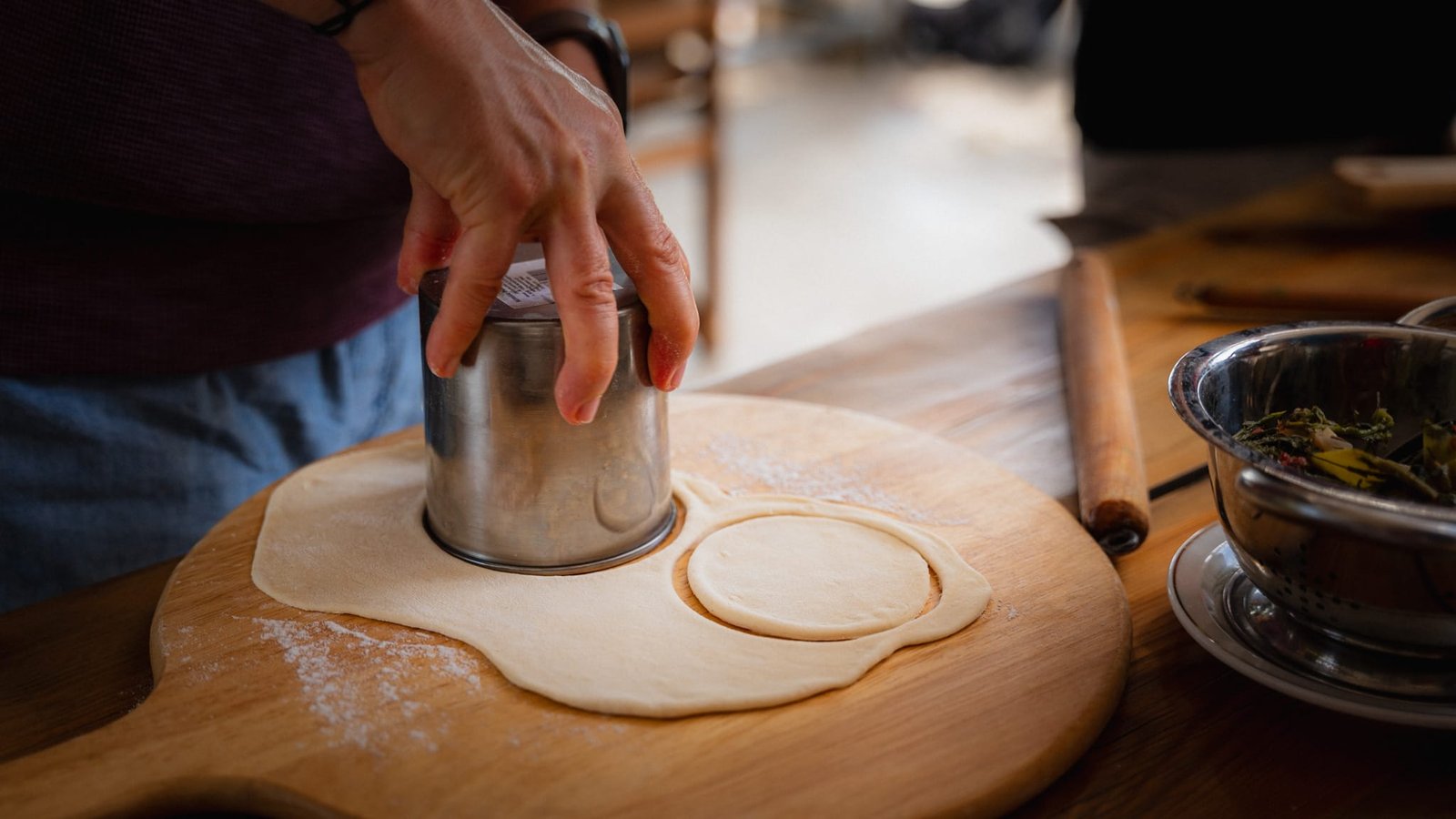
Visitors can choose between several experiences: breakfast, lunch cooking class or dinner. Each includes a tour of the farm and folklore museum, hands‑on cooking, olive oil tasting and a communal meal. These activities illustrate how food goes from field to table and highlight the labour and care involved in producing each ingredient. Even simple dishes like tzatzíki become an education in technique and flavour balance.
Connecting with the community
Farm‑to‑table experiences also foster community connections. By booking a class at Aspras Terra, travellers support small‑scale agriculture and help preserve culinary traditions. They also take home skills and recipes they can share with friends and family, spreading the influence of the Cretan diet beyond the island.
Conclusion
In an era of industrial food and fast dining, Aspras Terra offers a refreshing return to the rhythms of the earth. Through sustainable farming and hands‑on education, the farm brings the Cretan diet to life and proves that farm‑to‑table is more than a trend – it’s a way of life that nourishes body, mind and community.
Aspras Terra Agriculture Experience, Activities in Ierapetra Crete Greece, follow us on Instagram or Facebook to learn more about our activities and upcoming events!
Farm-to-table in crete, Cretan cuisine Ierapetra, Mediterranean diet, farm to table Crete, slow food Crete, sustainable food experience