





















Olive Groves and Olive Oil Tasting ierapetra at Aspras Terra: The Golden Elixir of Crete
Introduction: Olive Trees and Cretan Identity
olive groves crete
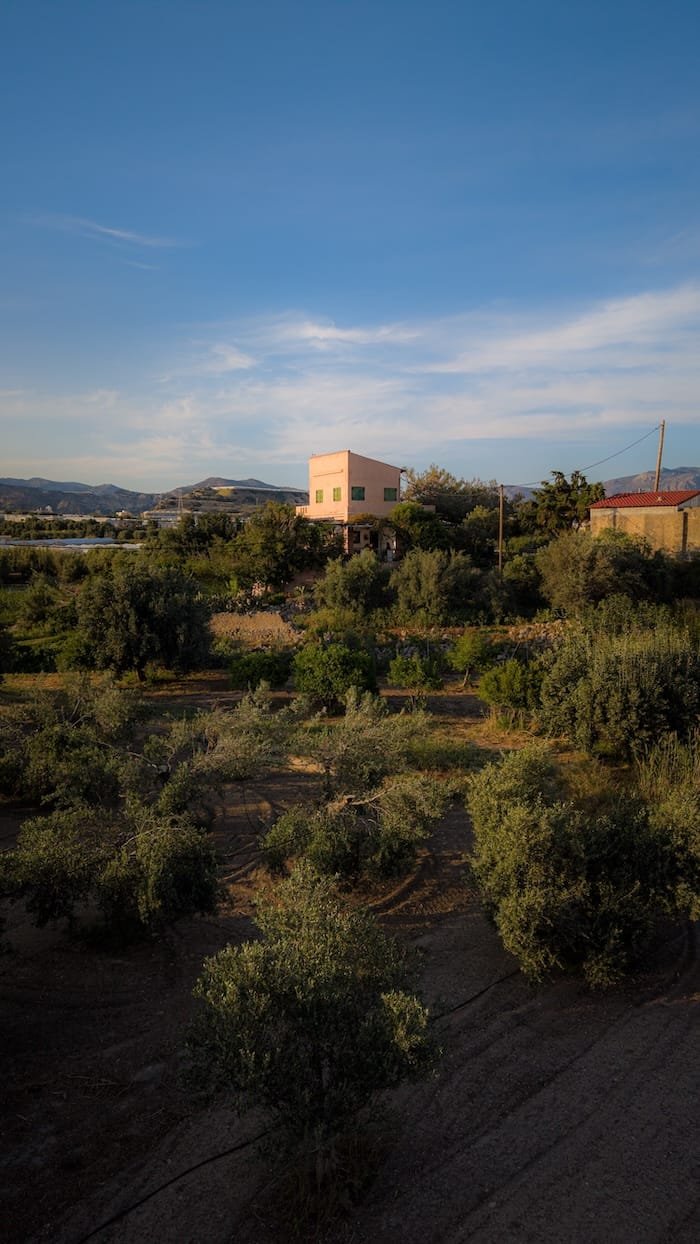
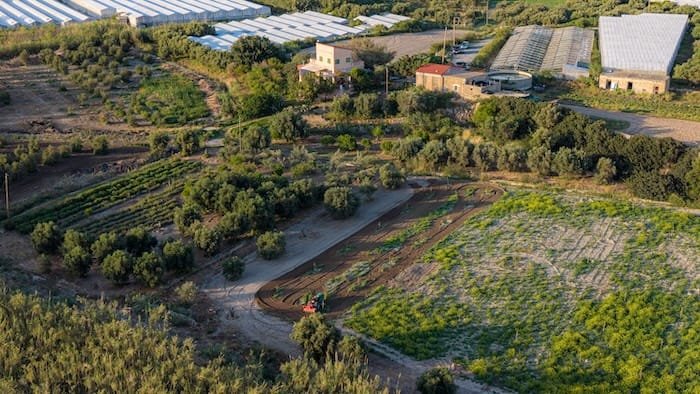
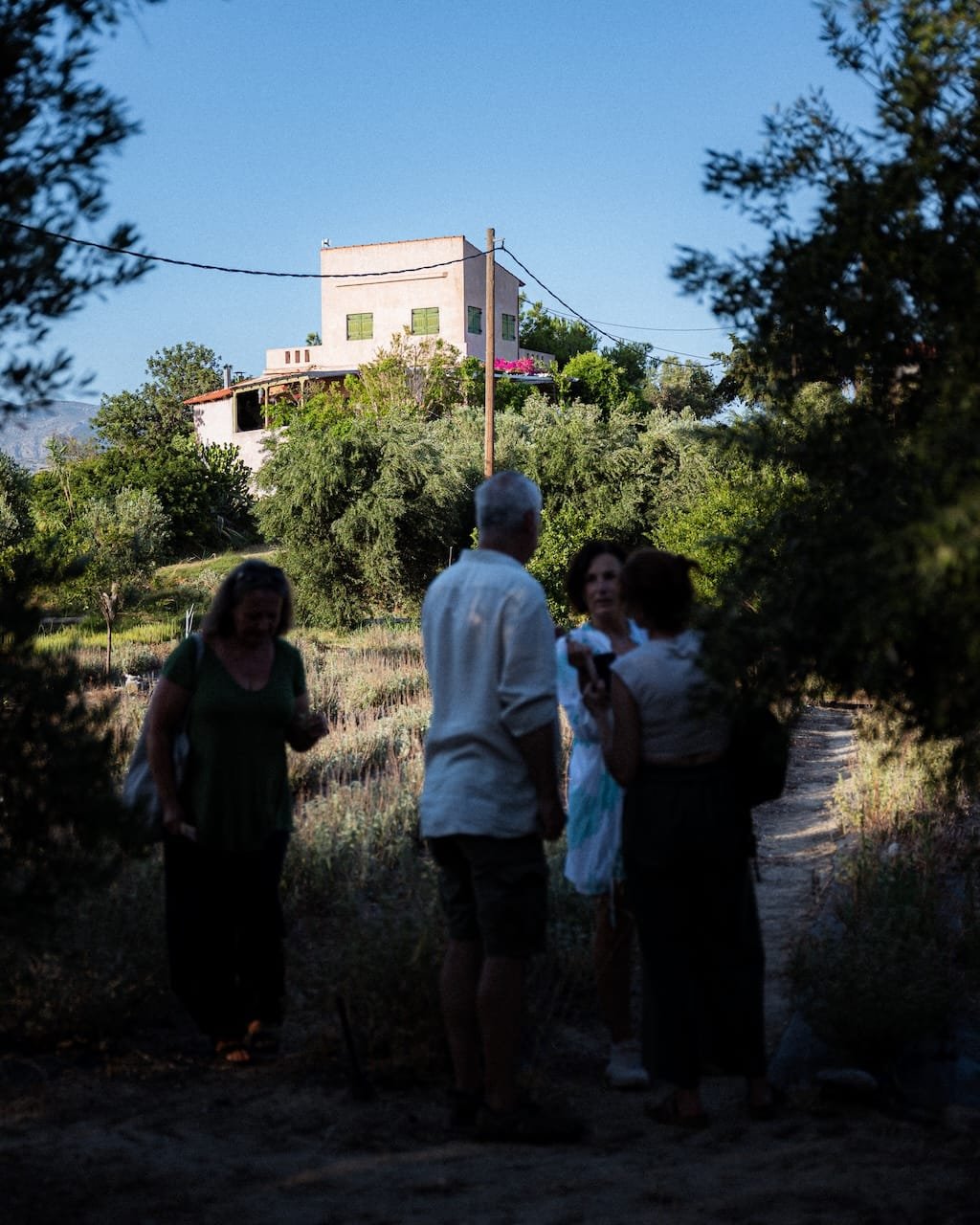
Olive oil tasting Ierapetra – Olive trees blanket Crete’s landscape, and olive oil is at the heart of the island’s identity. Archaeological evidence shows that olive cultivation dates back to Minoan times, when farmers built terraces to irrigate groves. Today, Crete produces some of the world’s finest oils, thanks in part to its climate and the centuries of expertise passed down through families. At Aspras Terra, you can explore this legacy firsthand.
Table of Contents
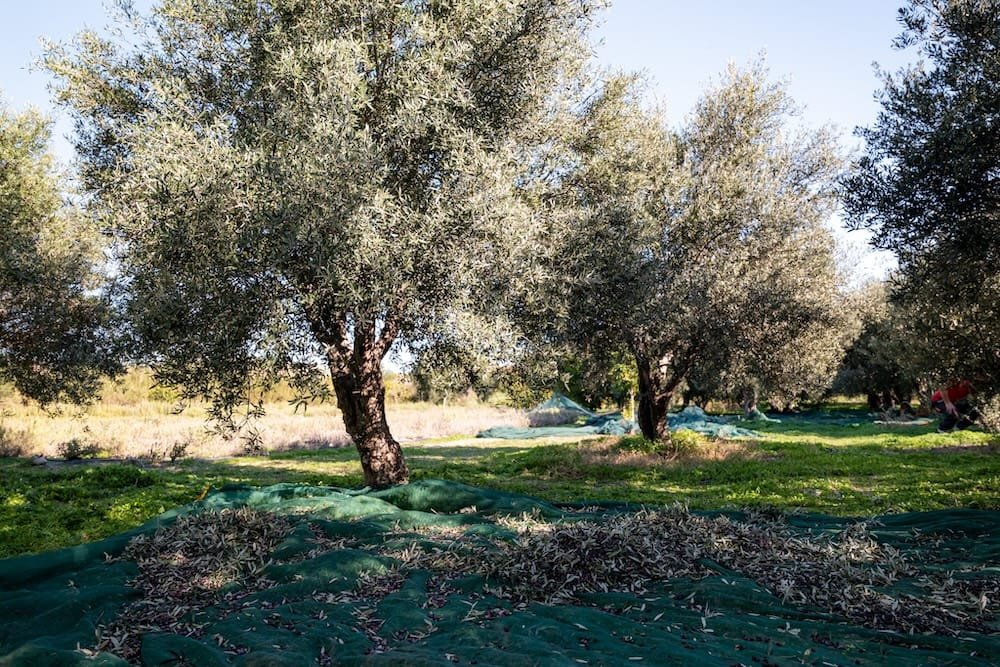
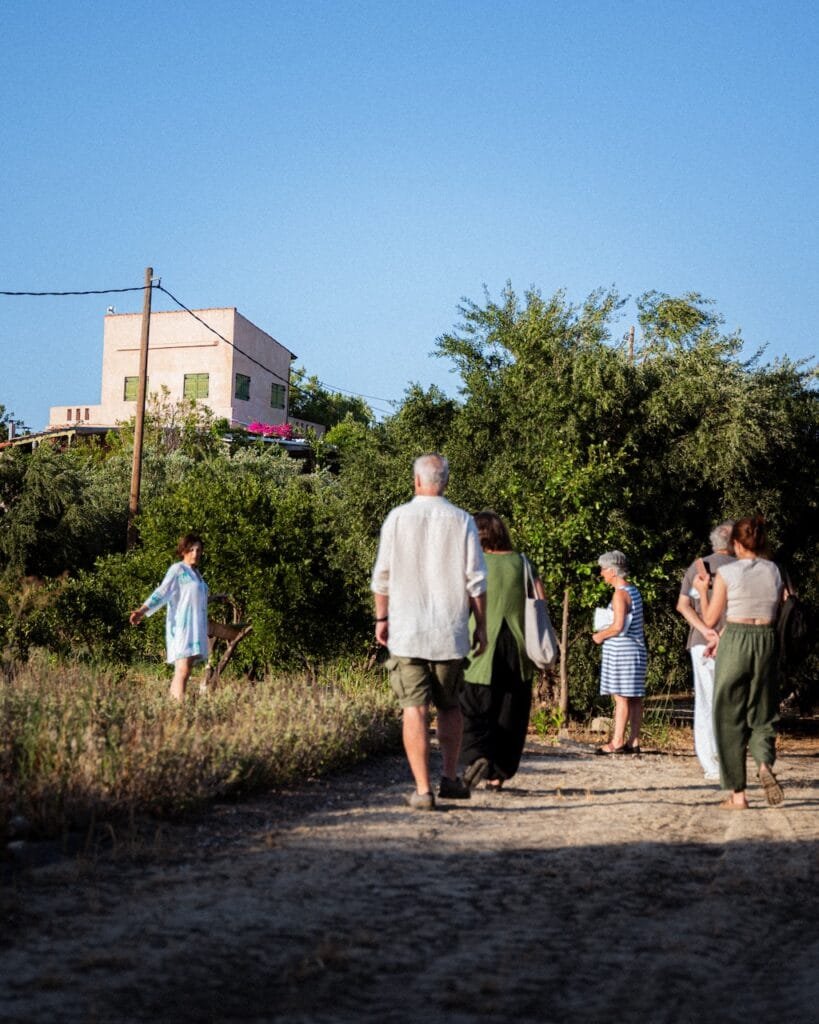
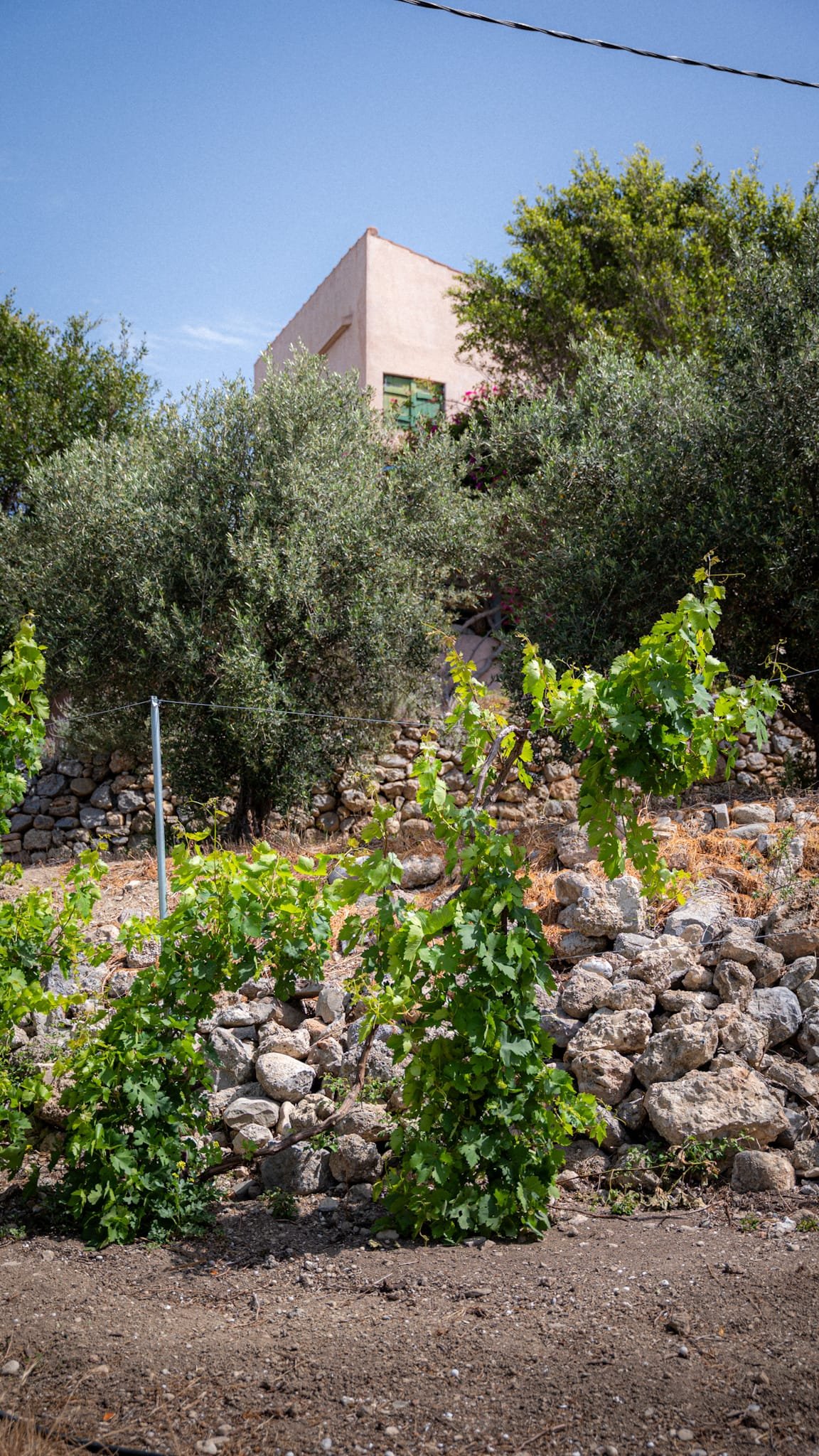
Walking Through the Groves
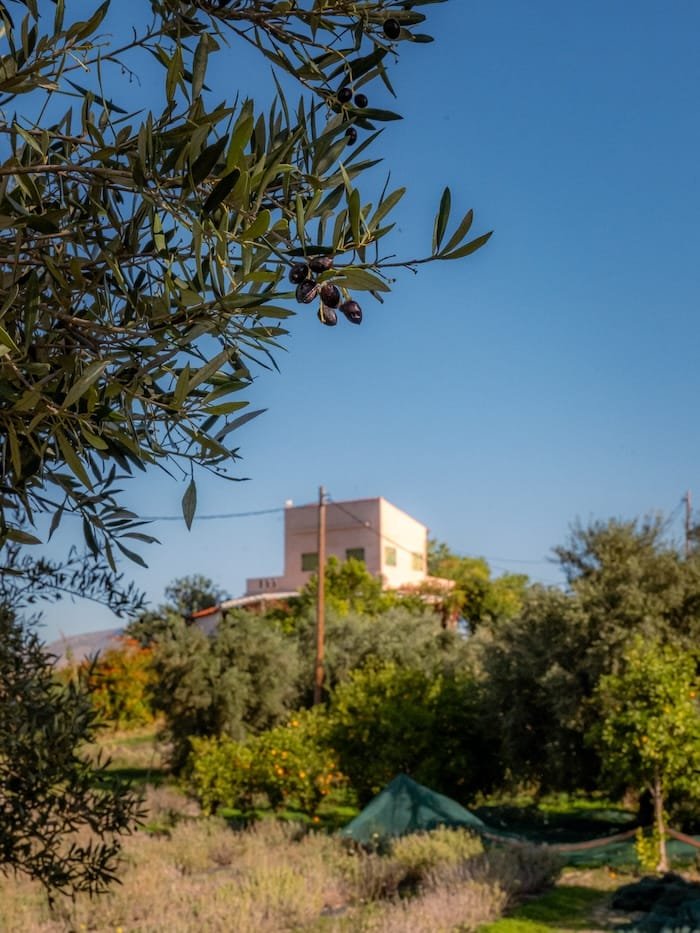
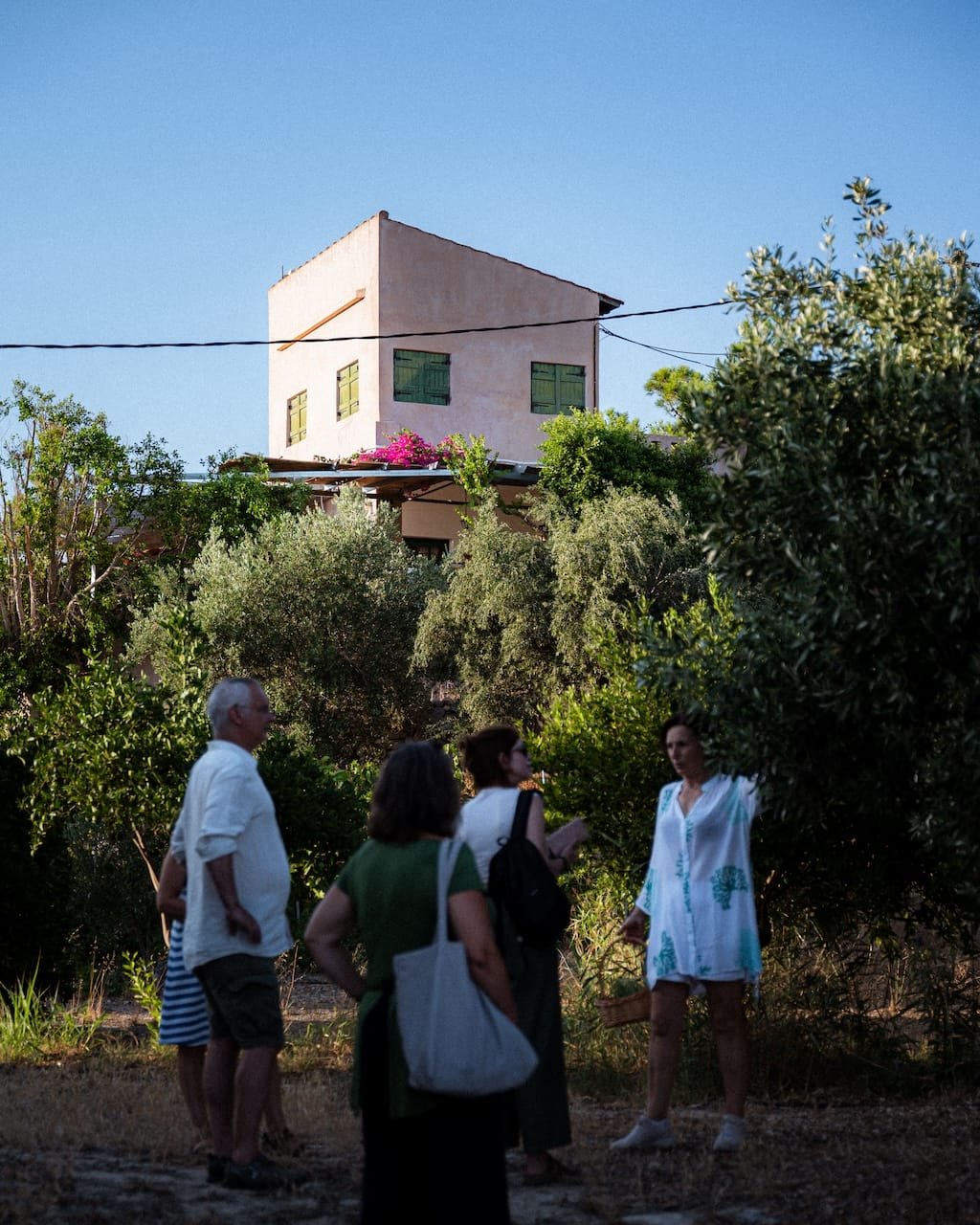
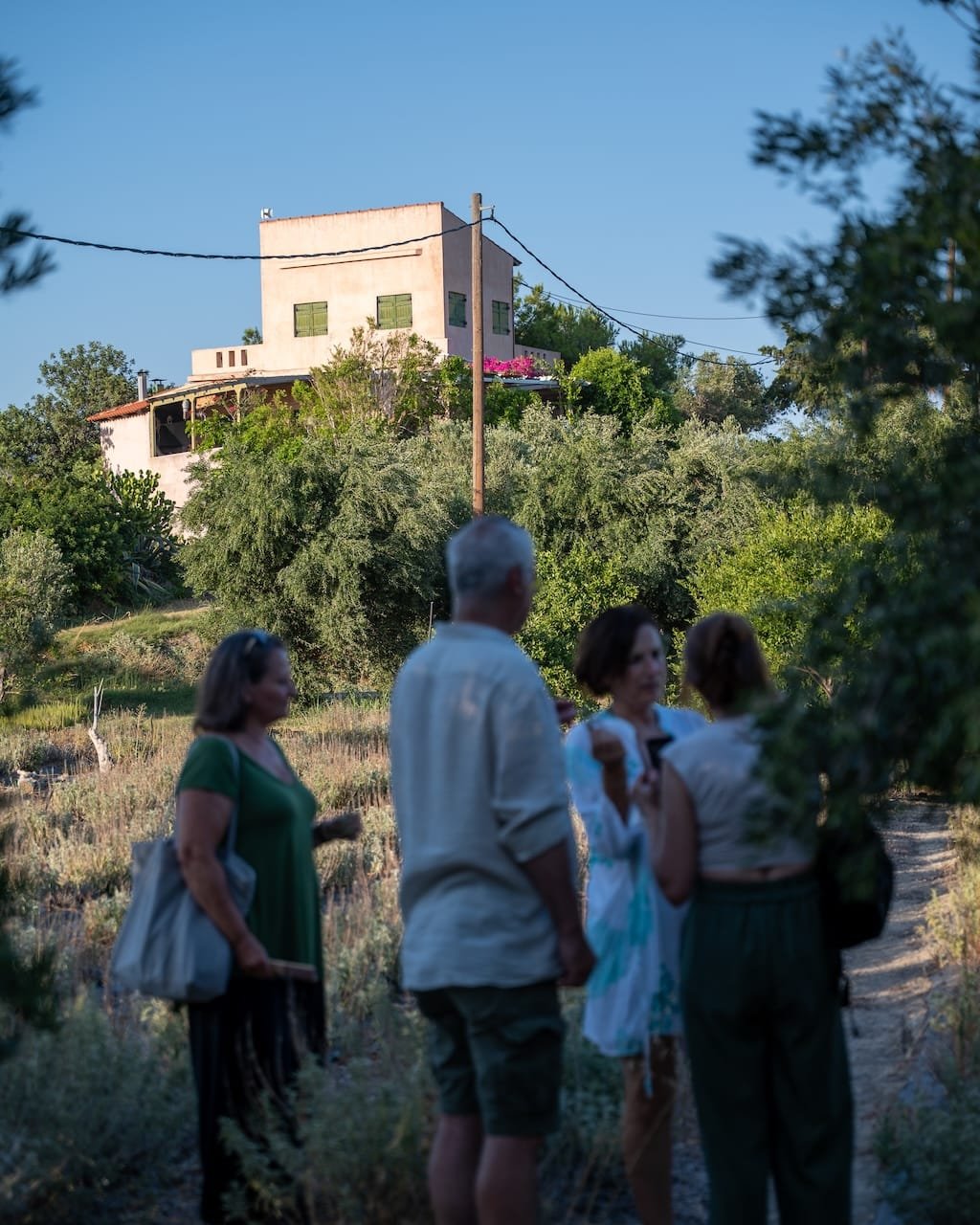
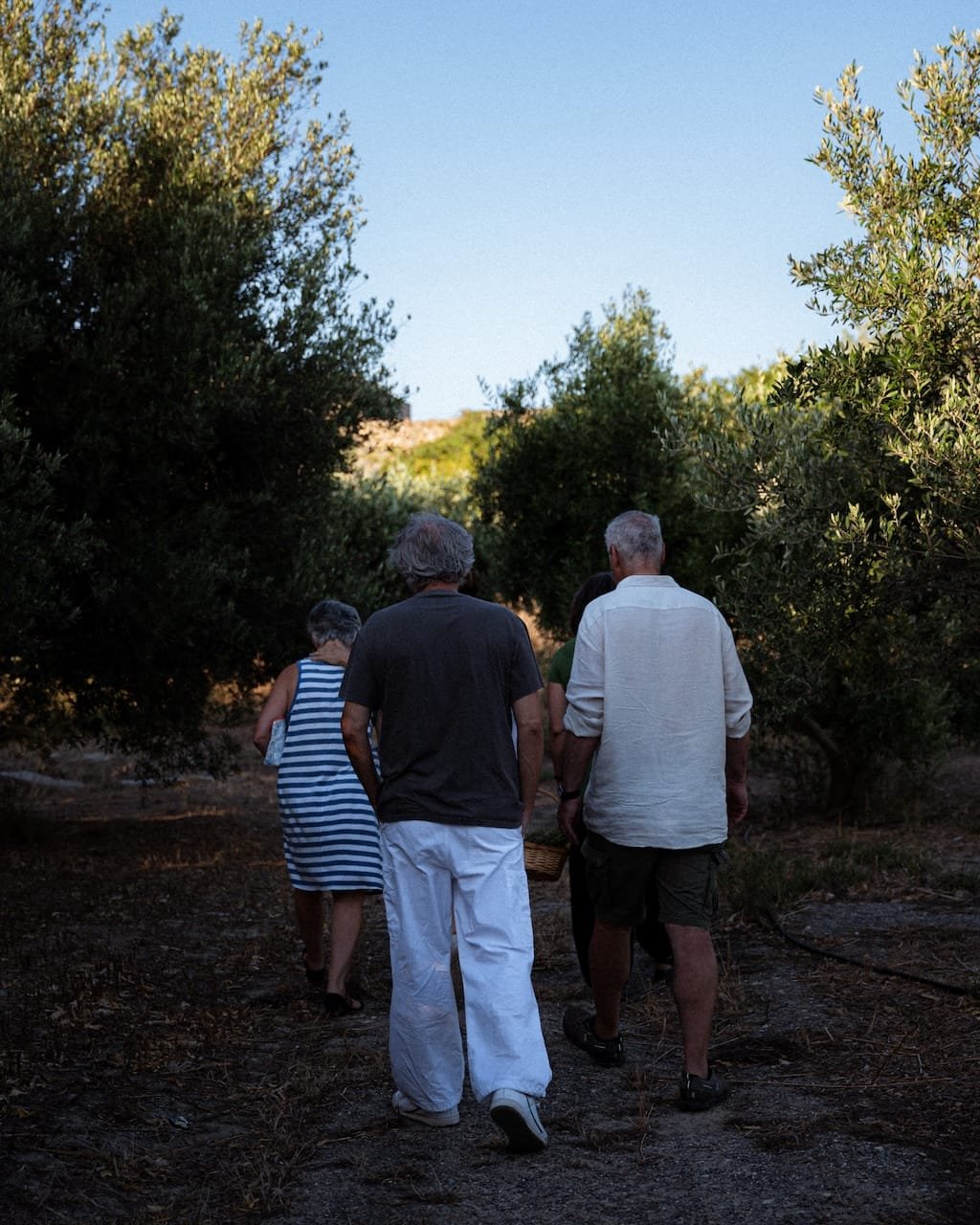
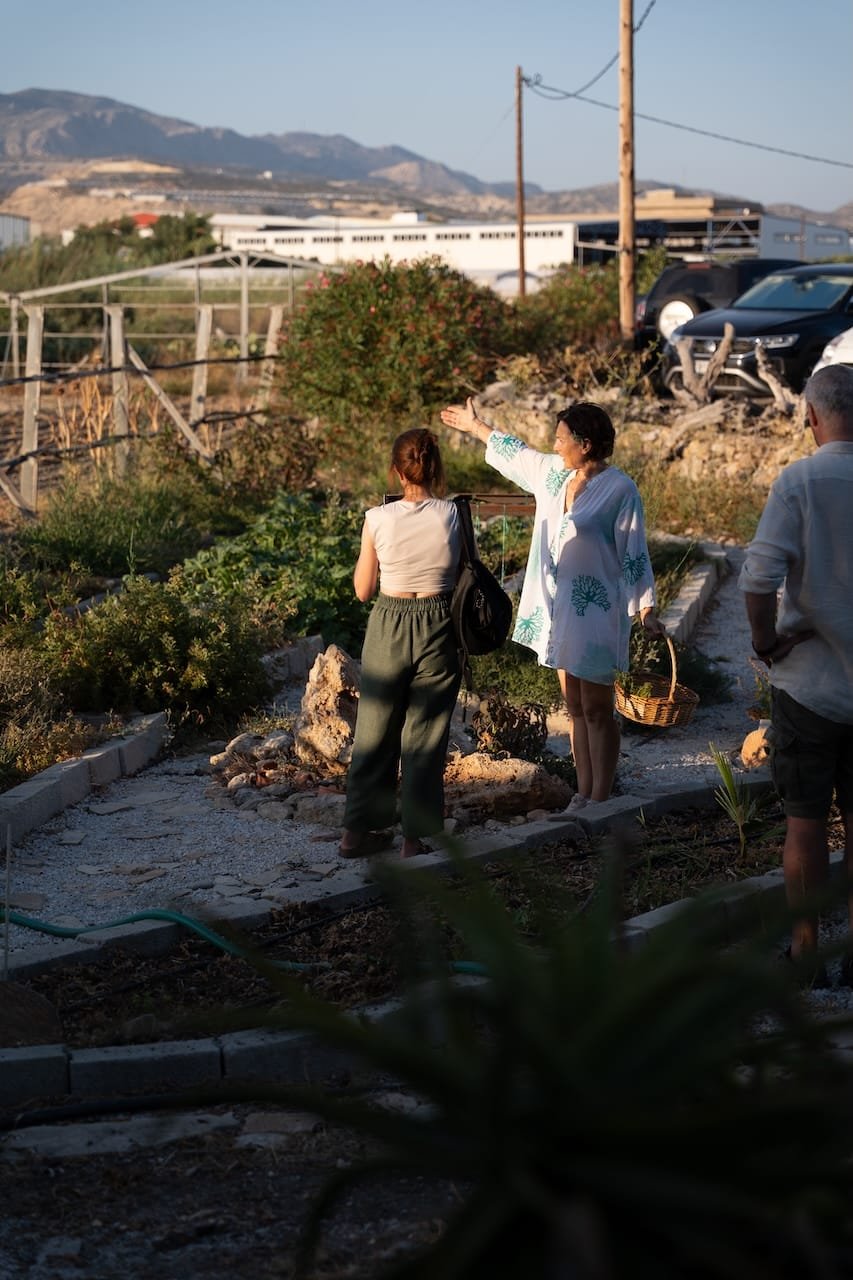
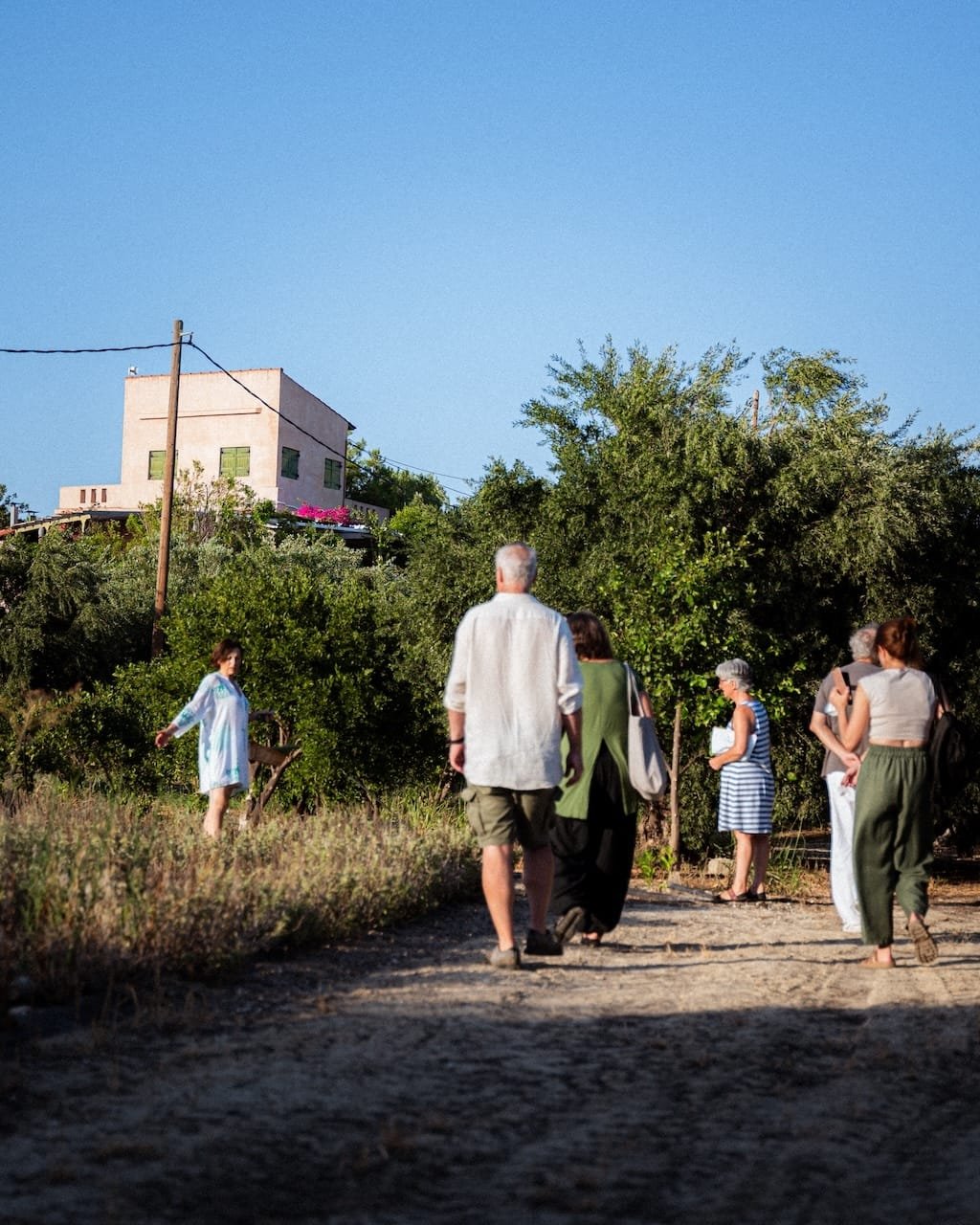
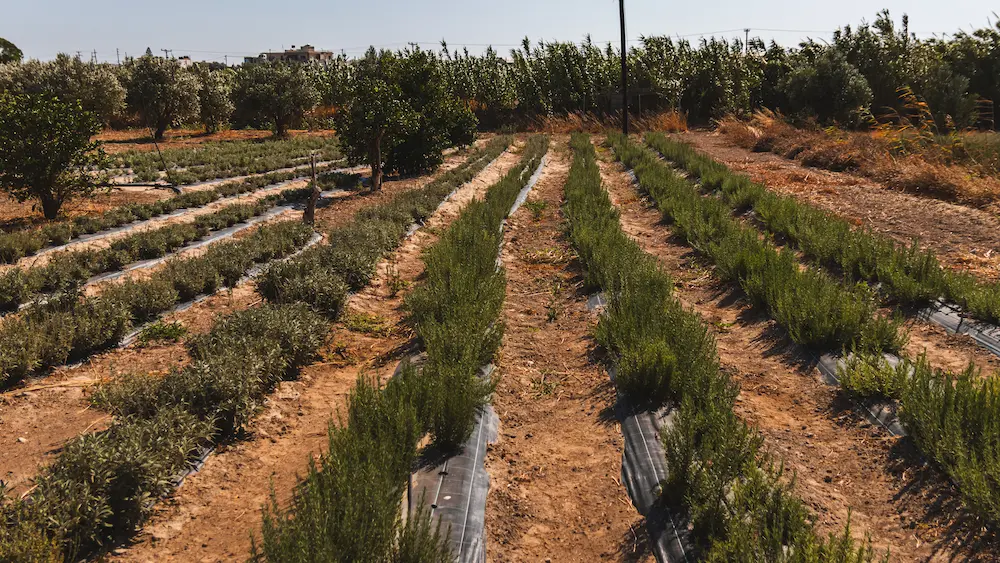
The estate is home to hundreds of olive trees of various ages—some planted by the current generation, others by their grandparents. During the olive grove tour, guides point out the differences between Koroneiki and Tsounati varieties and explain how organic practices (no chemical sprays, natural composting, careful pruning) maintain tree health. You’ll learn about the annual cycle: flowering in spring, fruit formation through summer, harvest in autumn.
Harvest Season
olive harvest
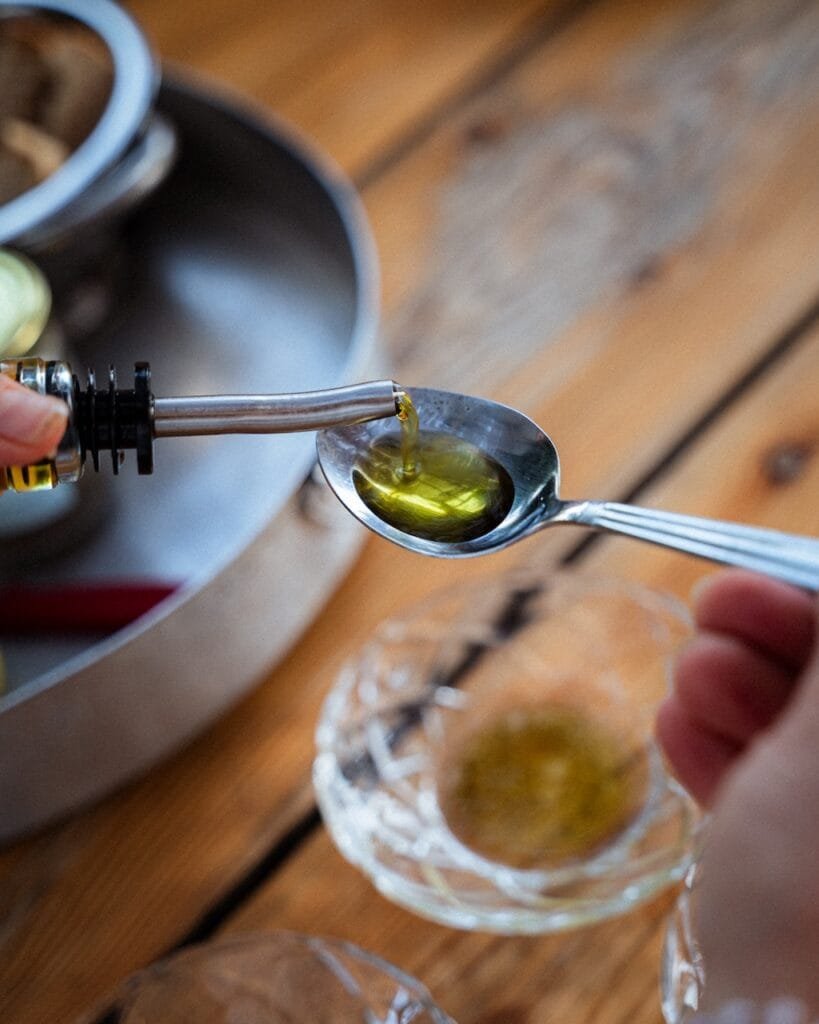
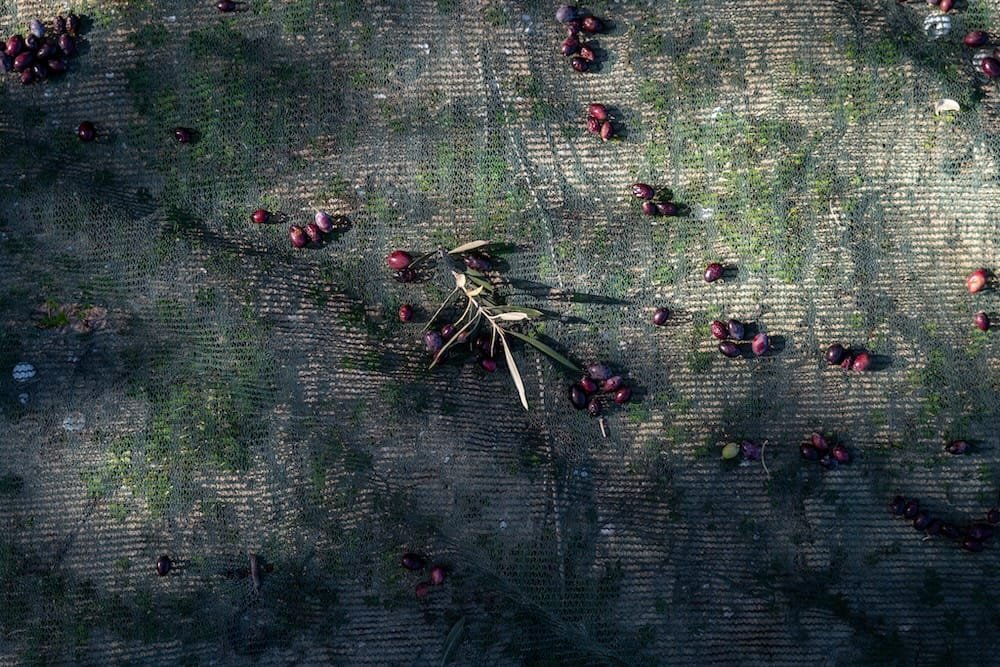
If you visit during the olive harvest (typically November and December), you can join in. Harvesting is still largely manual: families spread nets under trees and knock olives down with poles. Volunteers gather olives into sacks and transport them to the mill. This communal labour fosters connection and respect for the oil that results.
The Pressing Process
After collecting olives, the next step is pressing. Aspras Terra partners with a local mill, but the farm often demonstrates small‑scale pressing for visitors. You’ll see how olives are washed, crushed into paste and slowly turned to separate oil from water. Modern methods use cold extraction to preserve flavour and nutrients. Guides emphasise how the timing between harvest and pressing influences quality—shorter times mean fresher, healthier oil.
Tasting and Education
olive oil tasting ierapetra
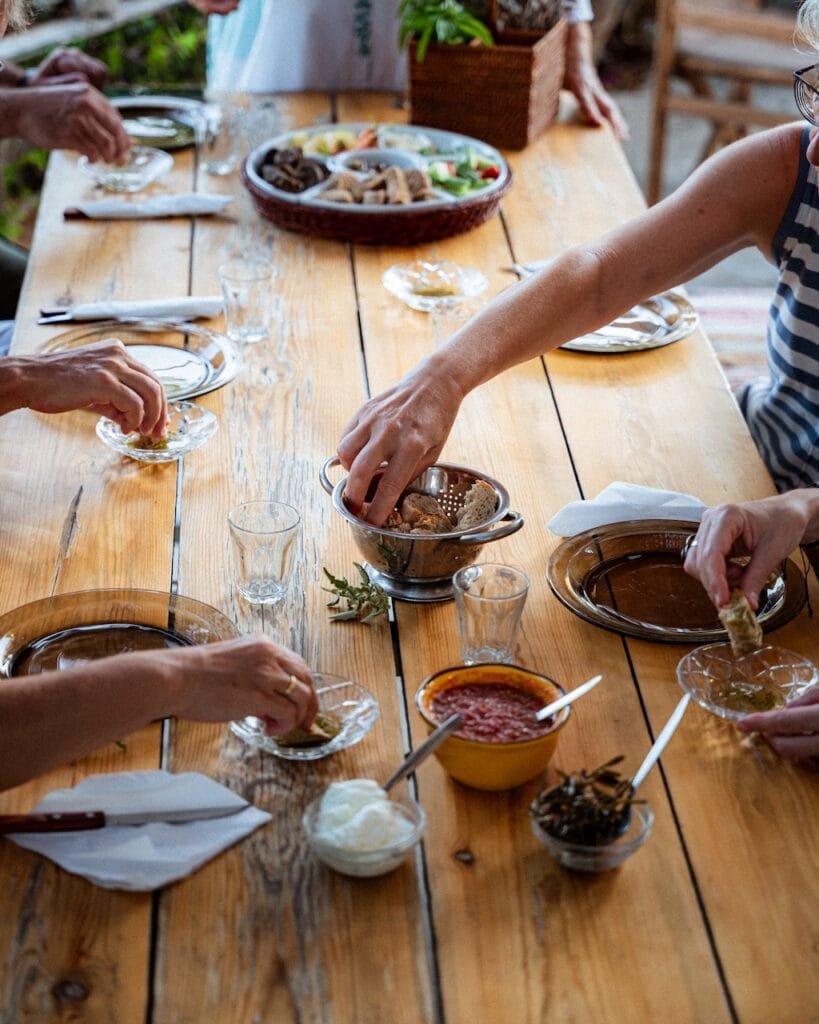
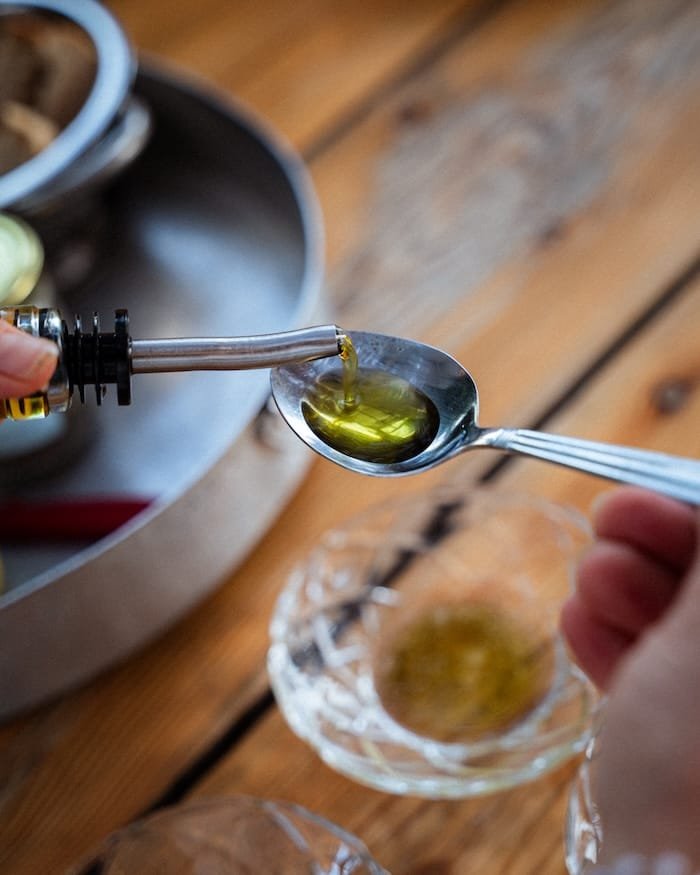
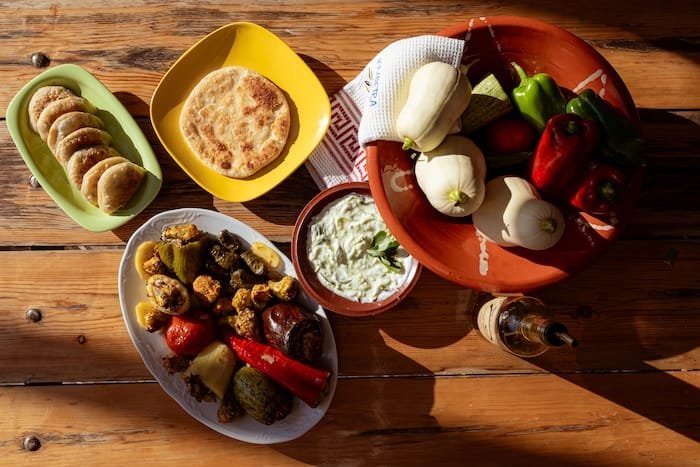
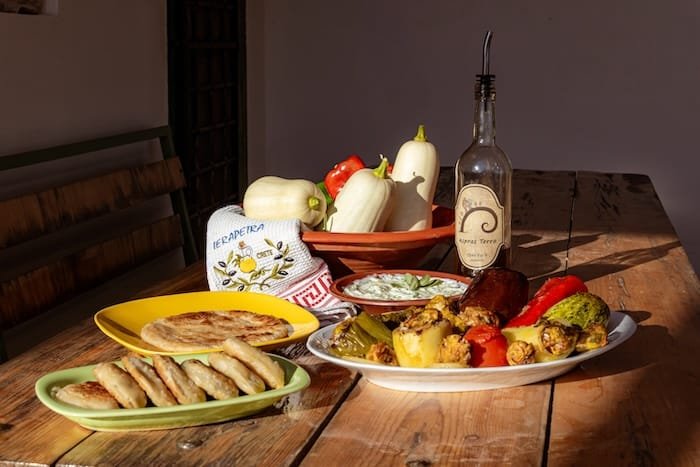
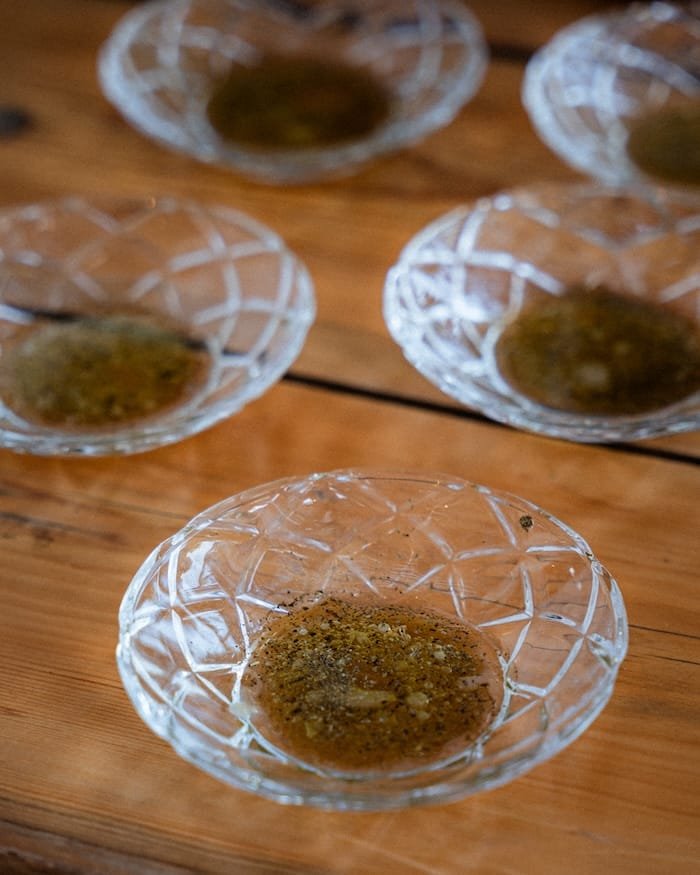
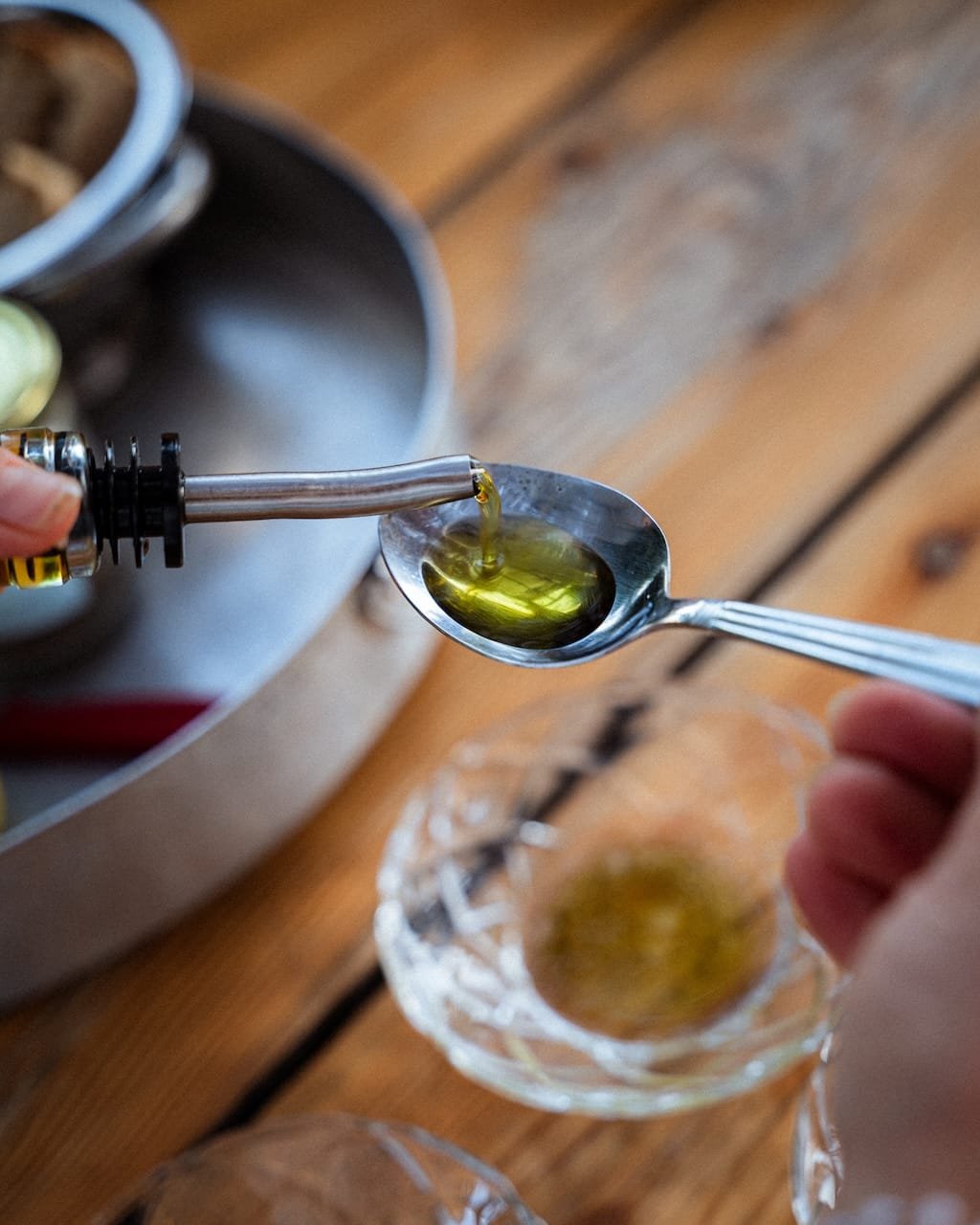
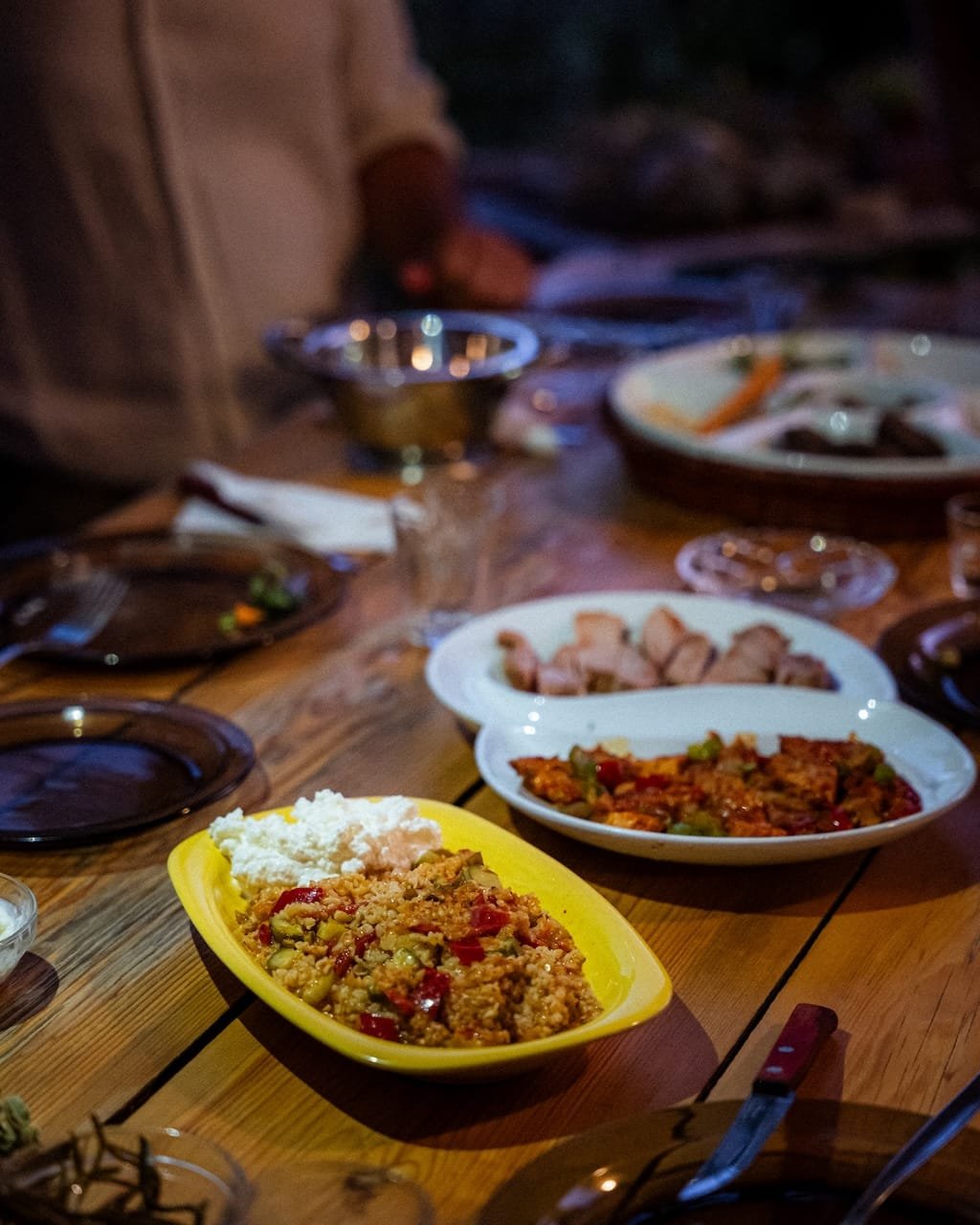
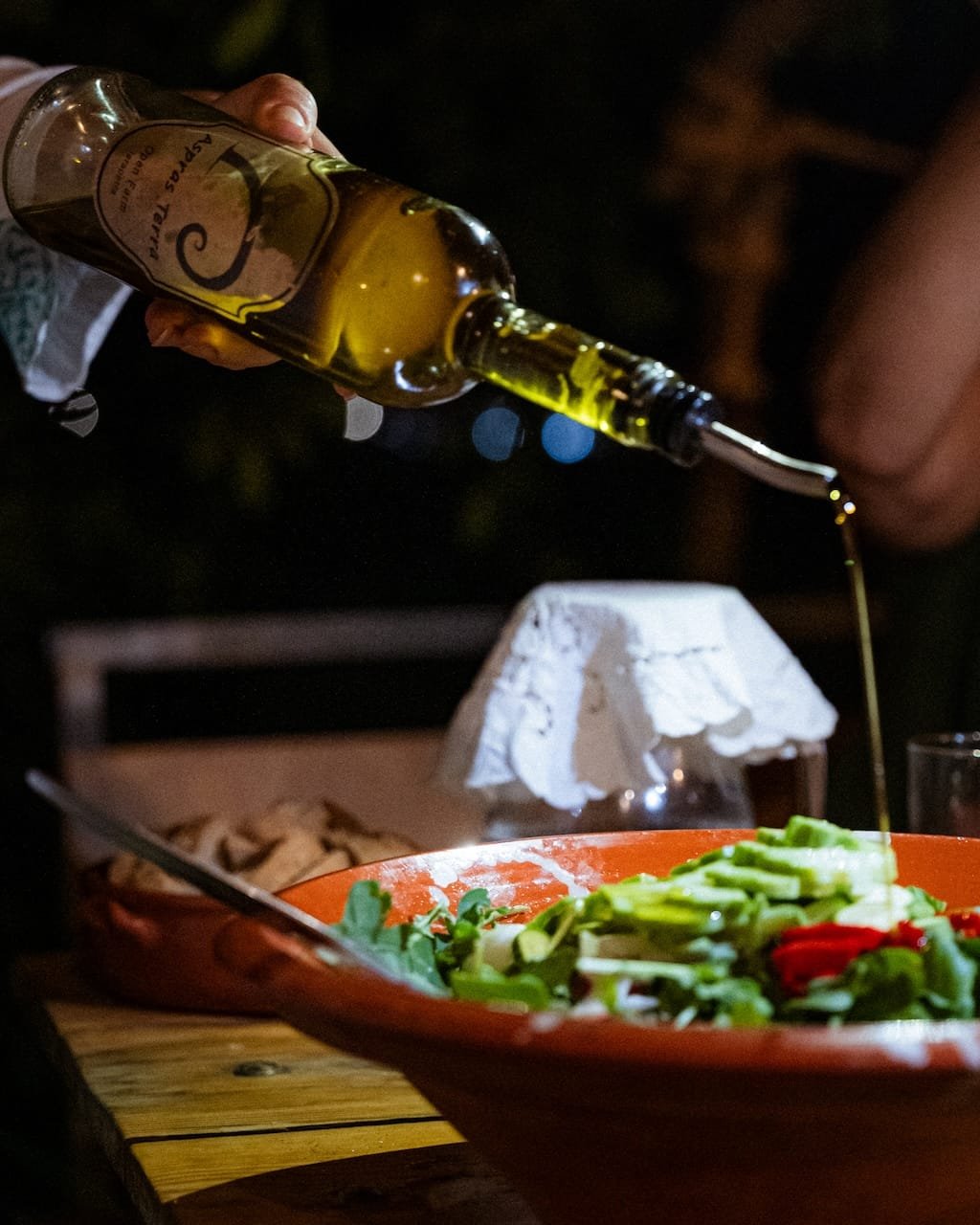
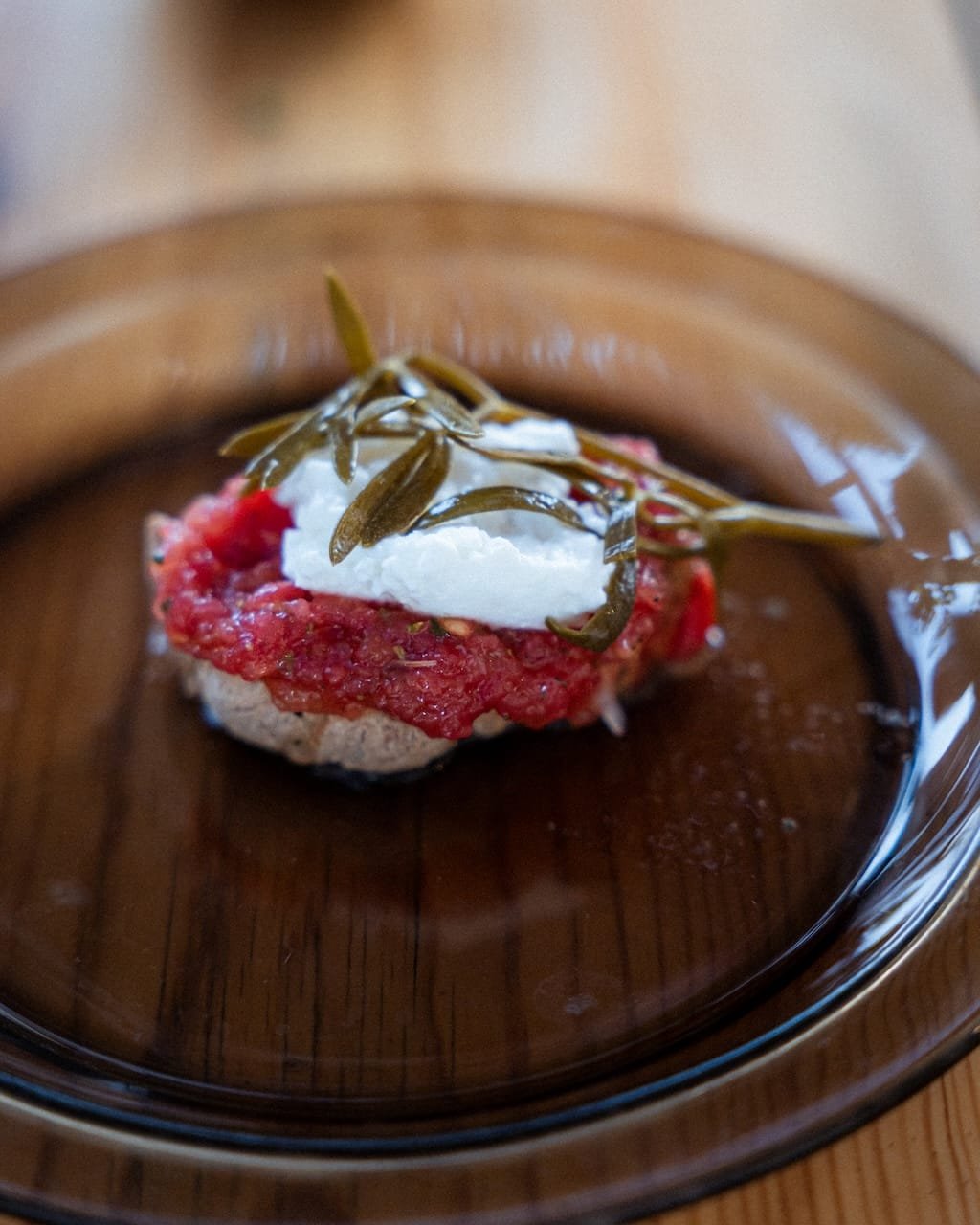
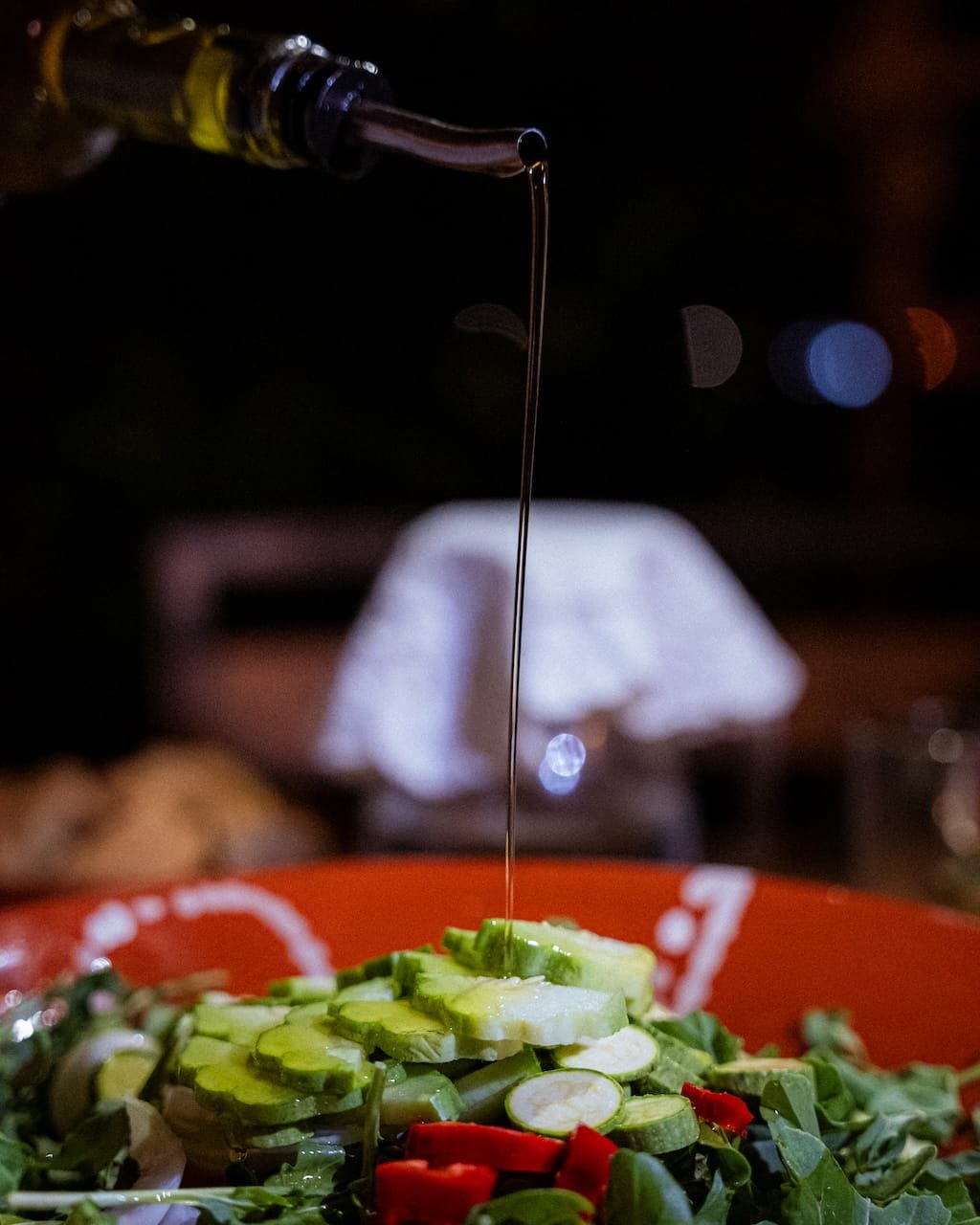
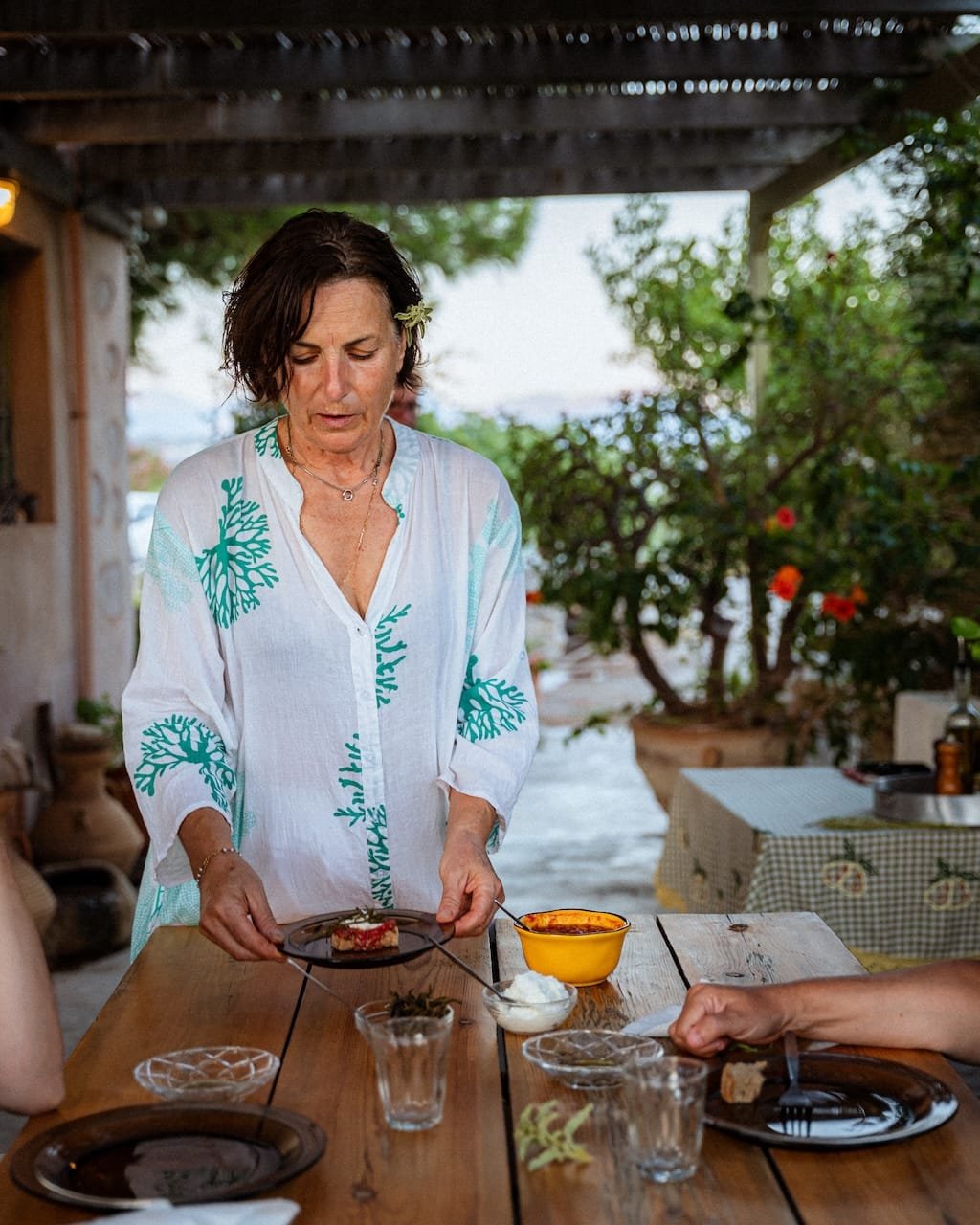
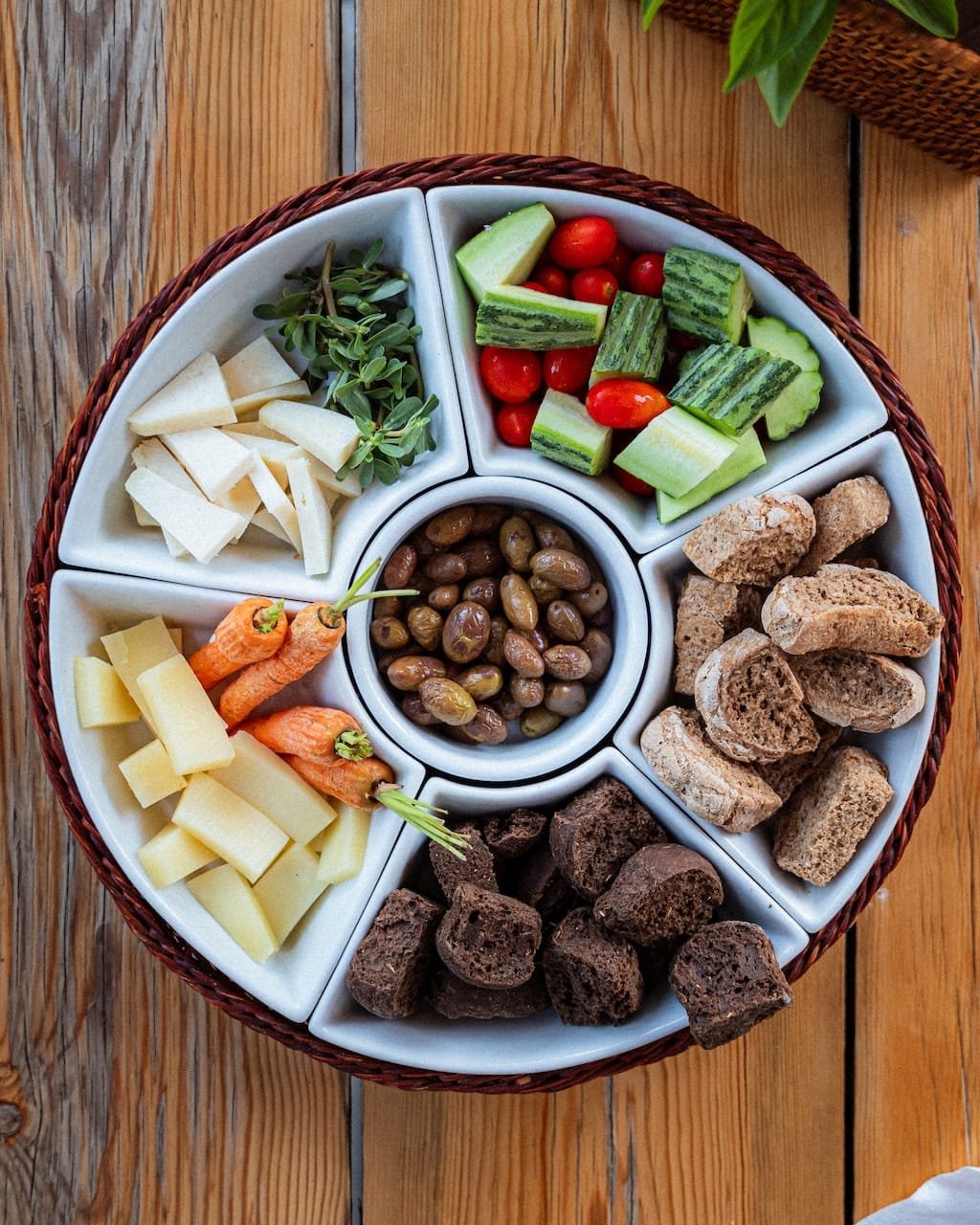
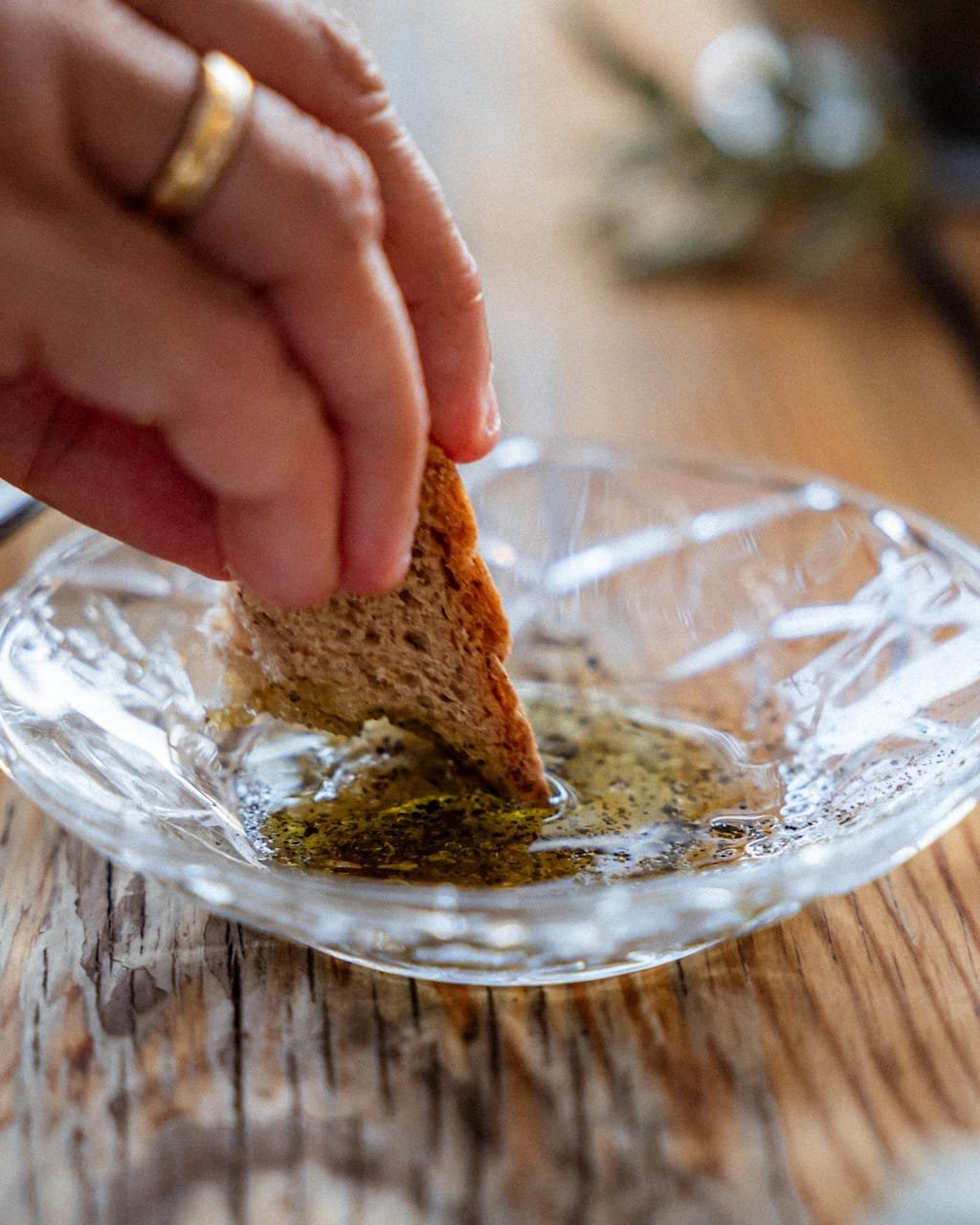
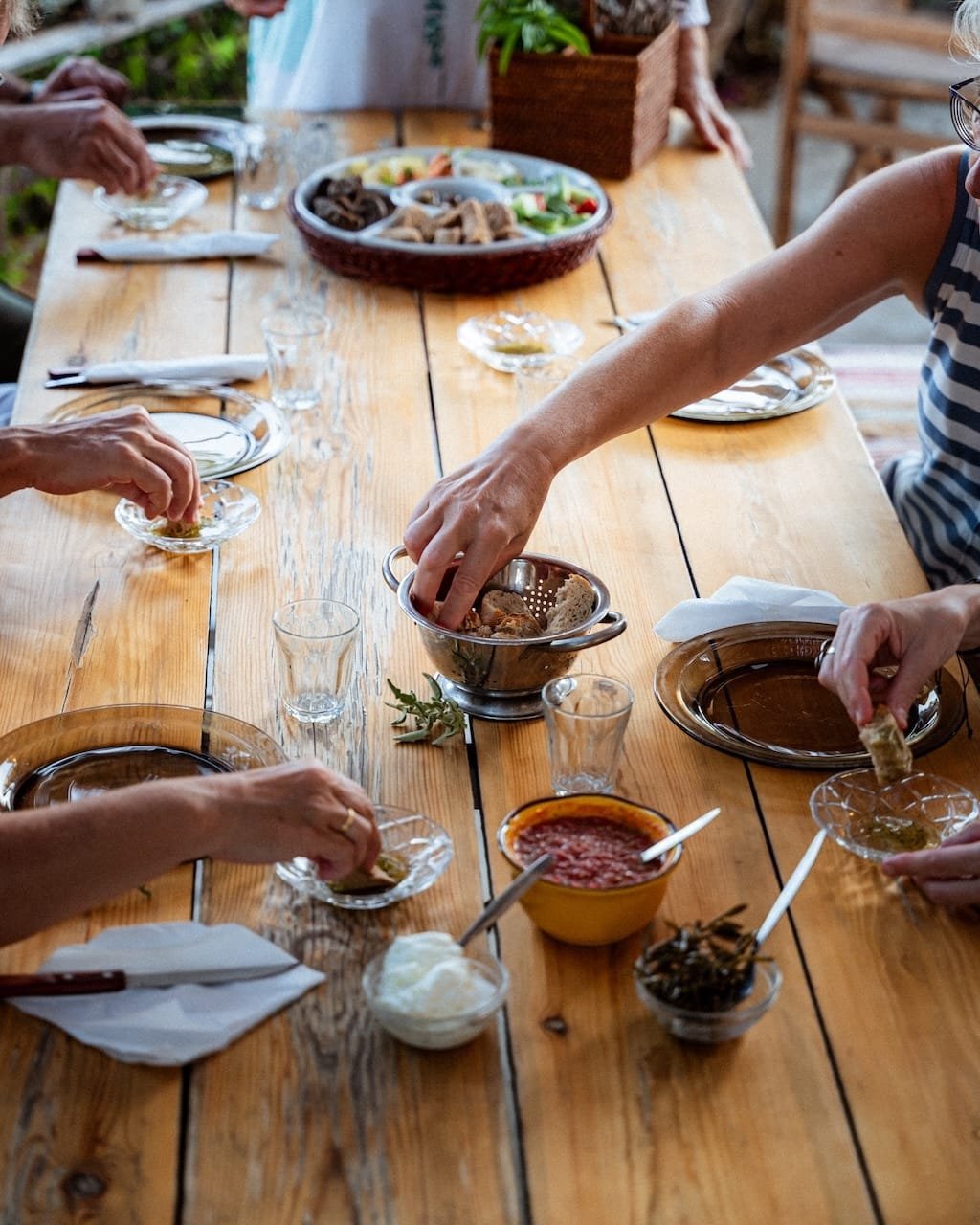
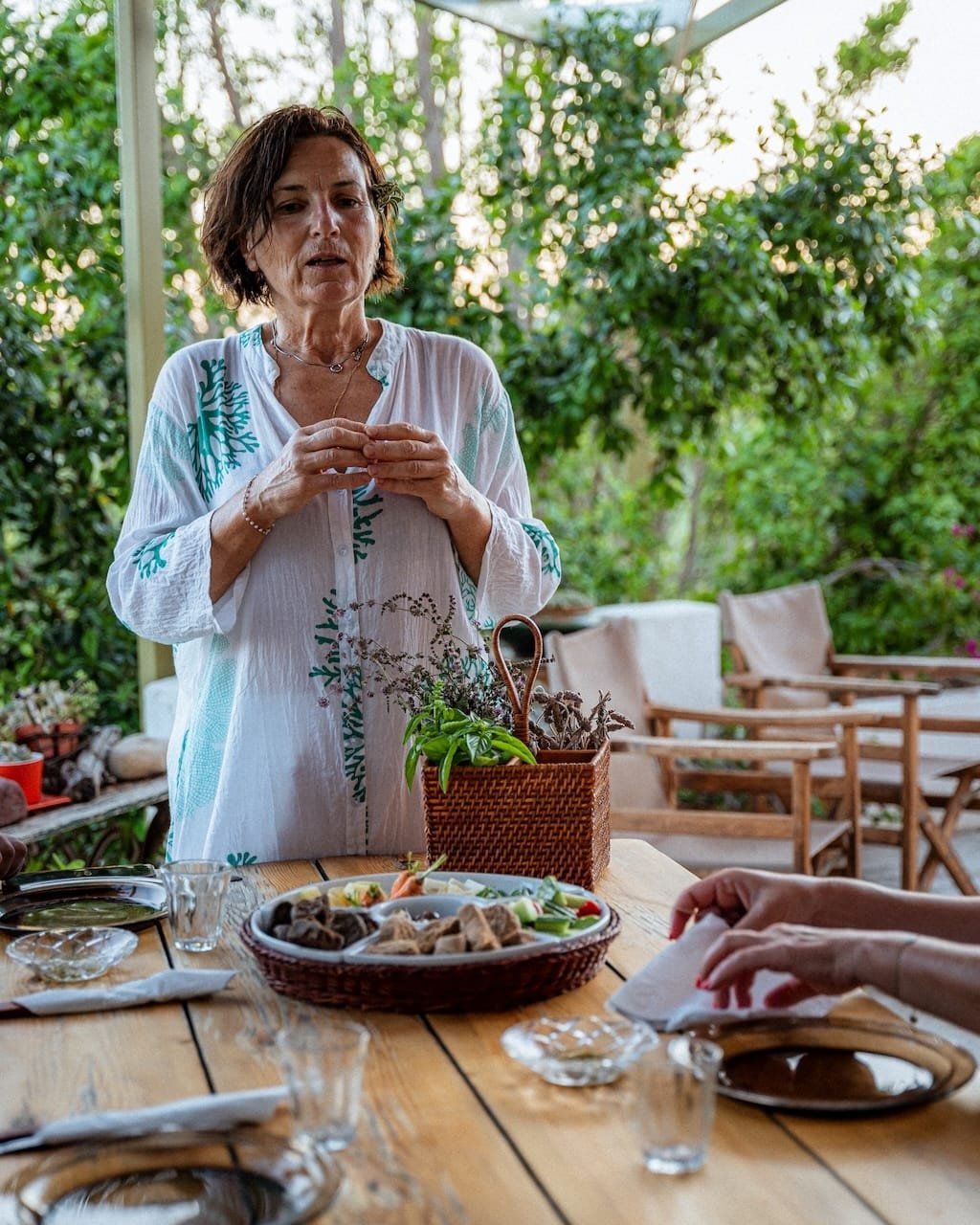
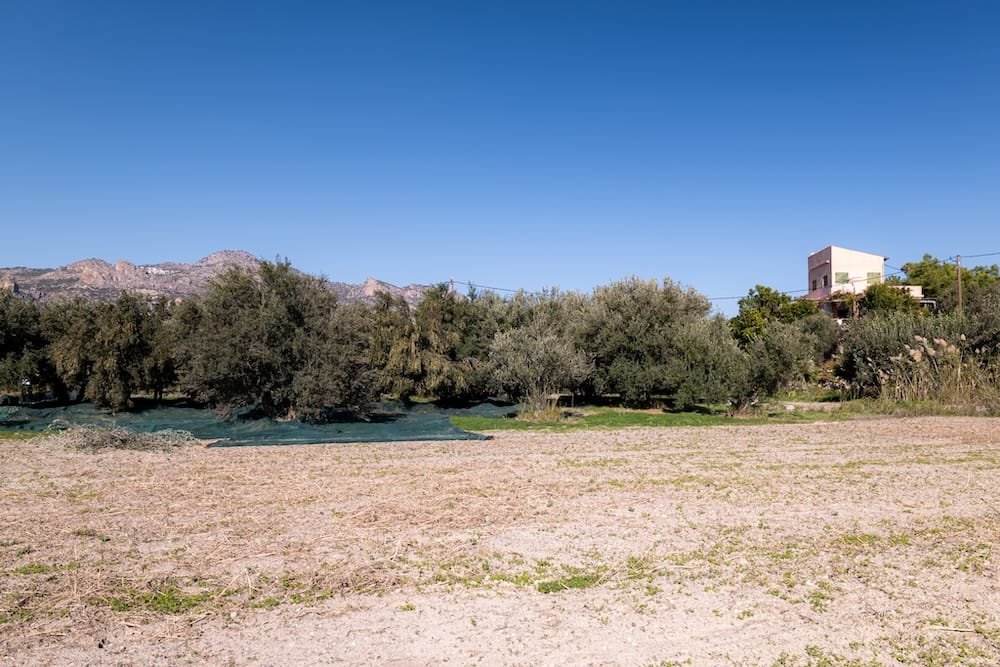
During the tasting, you’ll sample several oils, including Aspras Terra’s own and possibly others for comparison. Hosts teach you to warm the oil, inhale its aromas and then sip, allowing peppery and fruity notes to emerge. You’ll learn vocabulary—fruity, bitter, spicy—and identify defects like mustiness or rancidity. The session also covers the Mediterranean diet and the role of olive oil in promoting heart health. By the end, you’ll know how to choose good olive oil and use it in your cooking..
The Cultural Context
Mediterranean diet
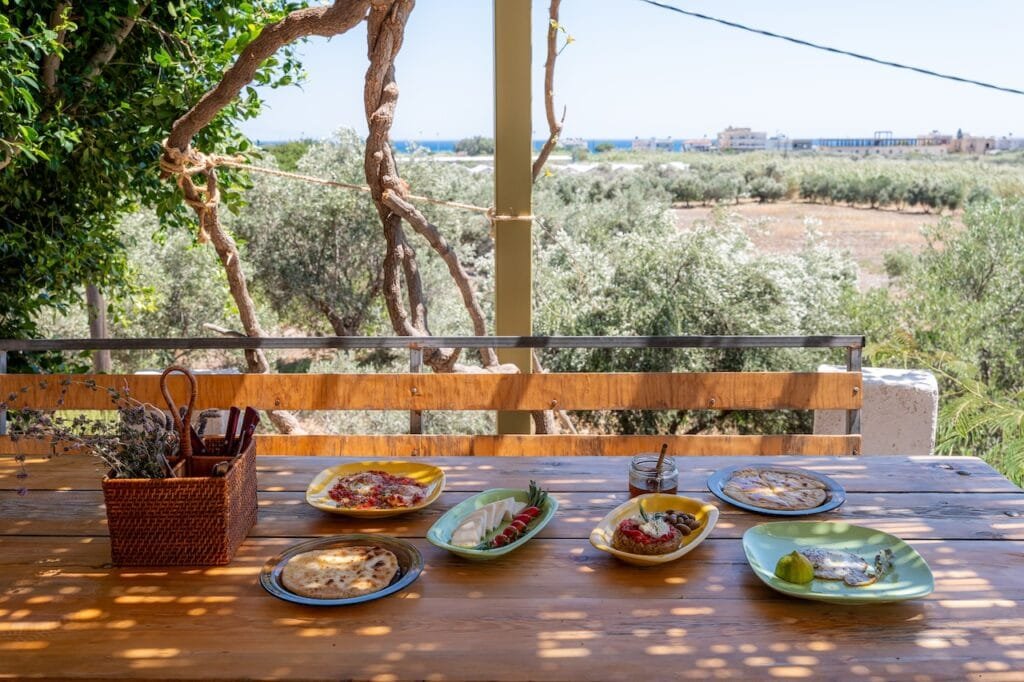
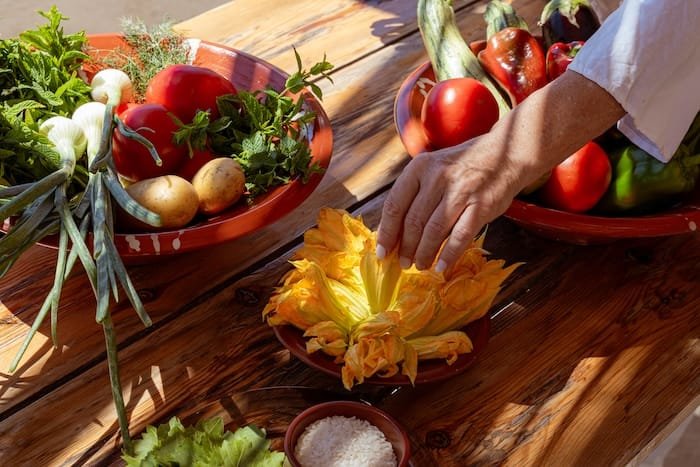
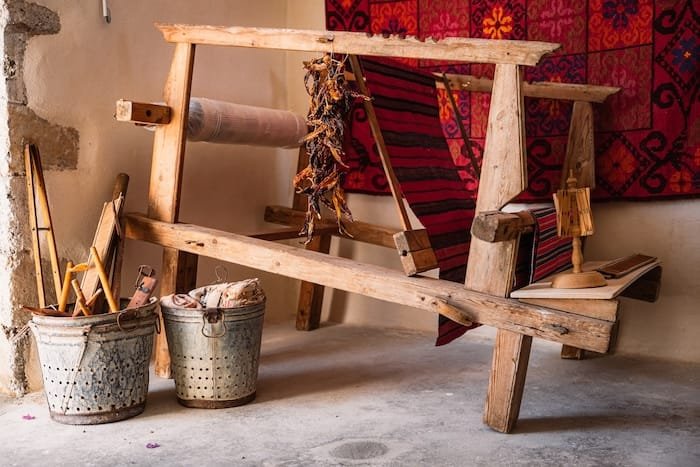
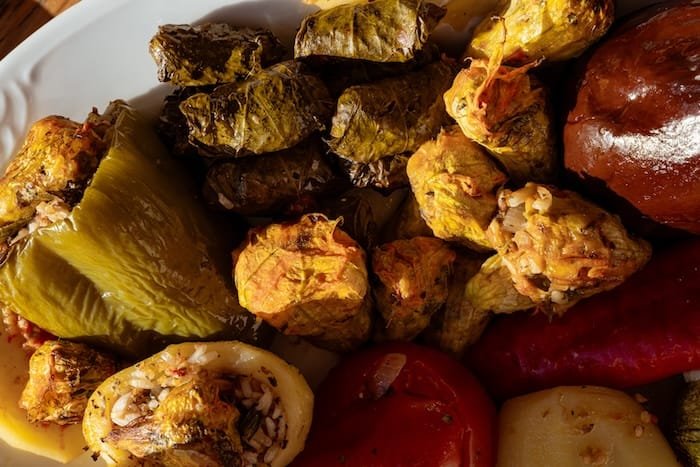
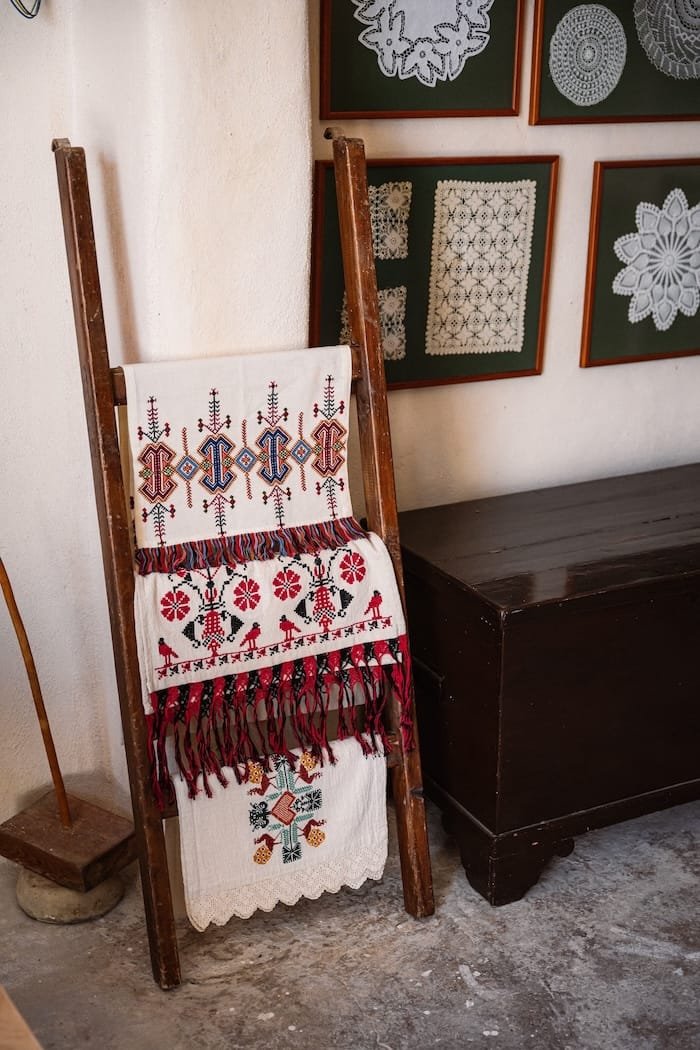
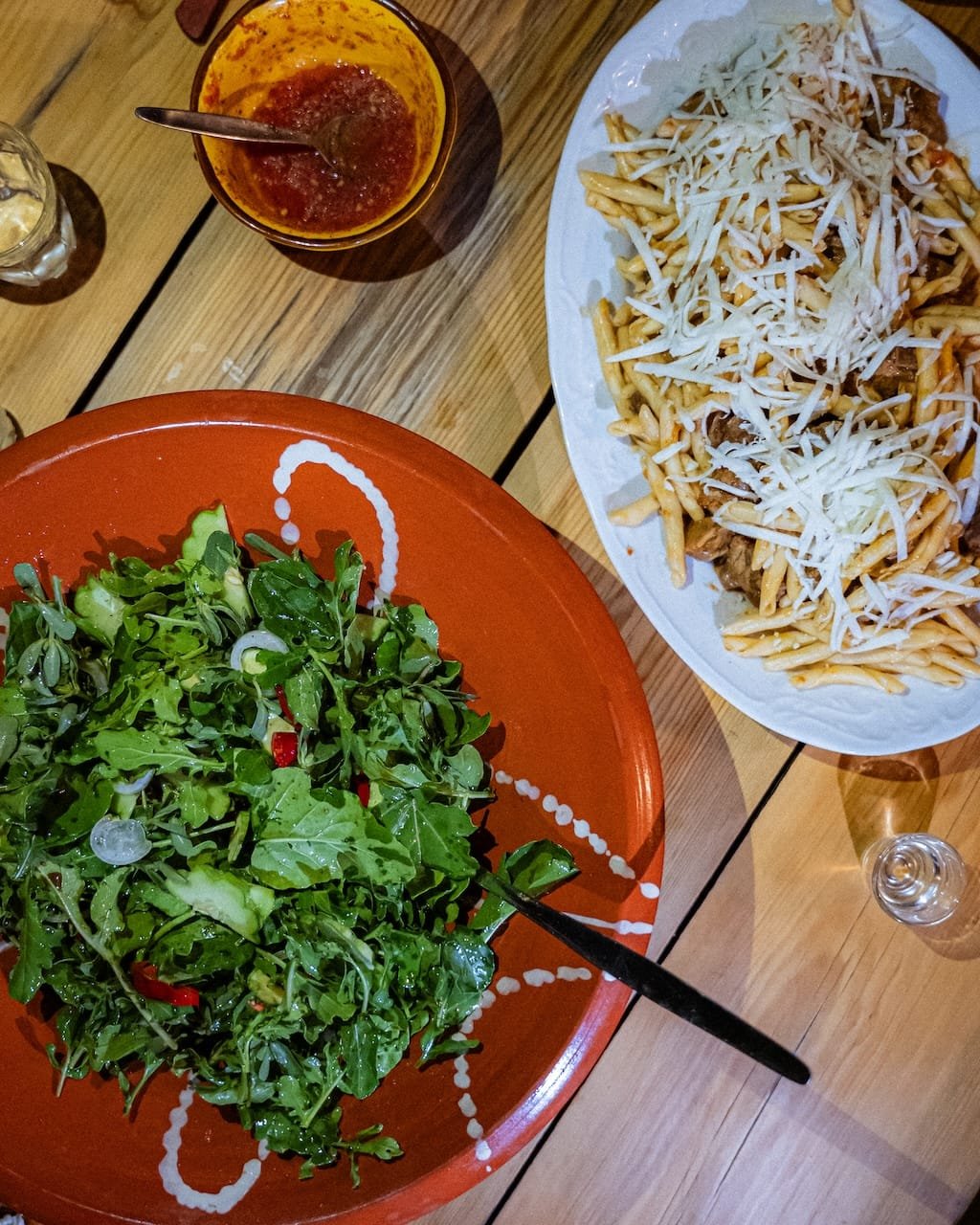
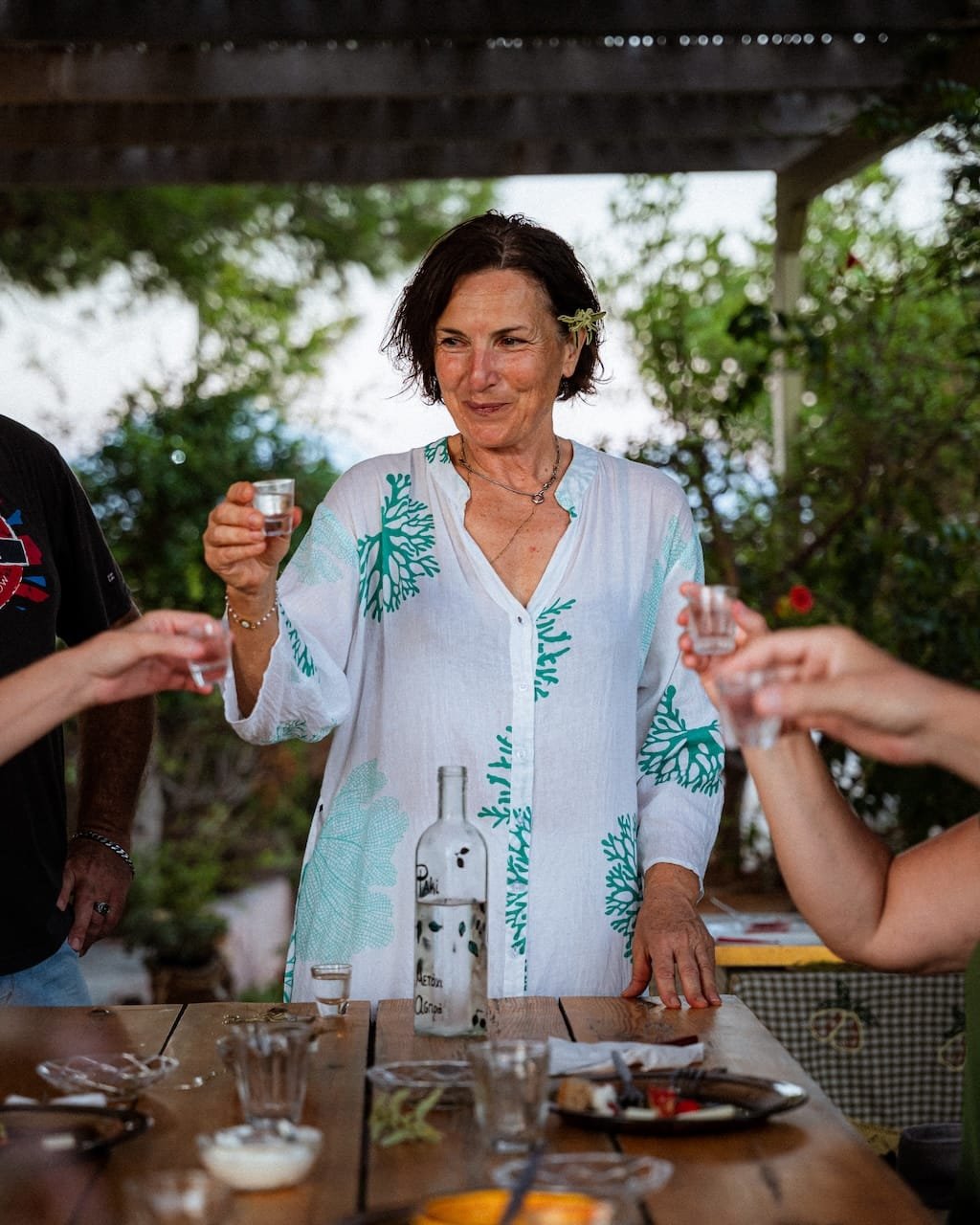
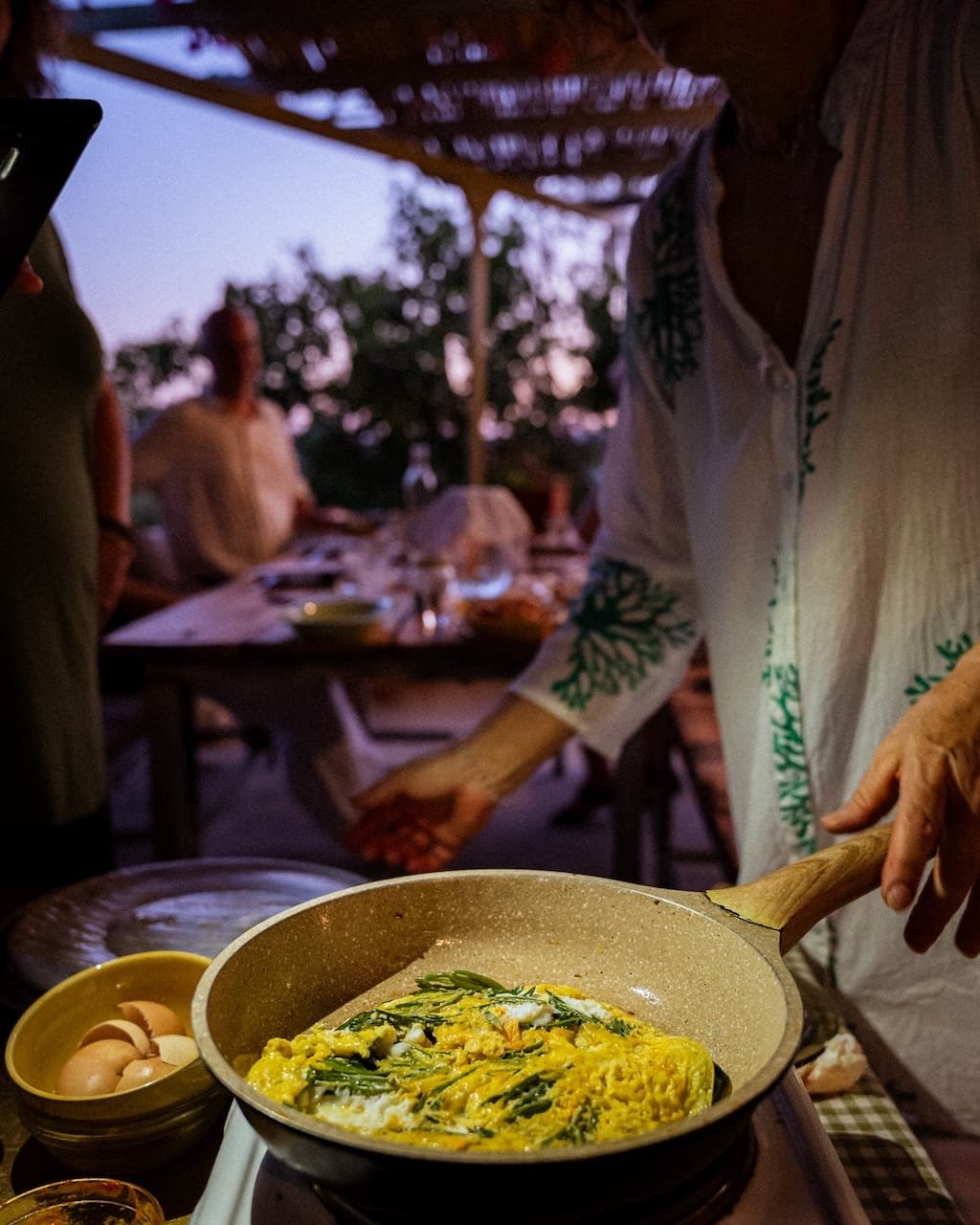
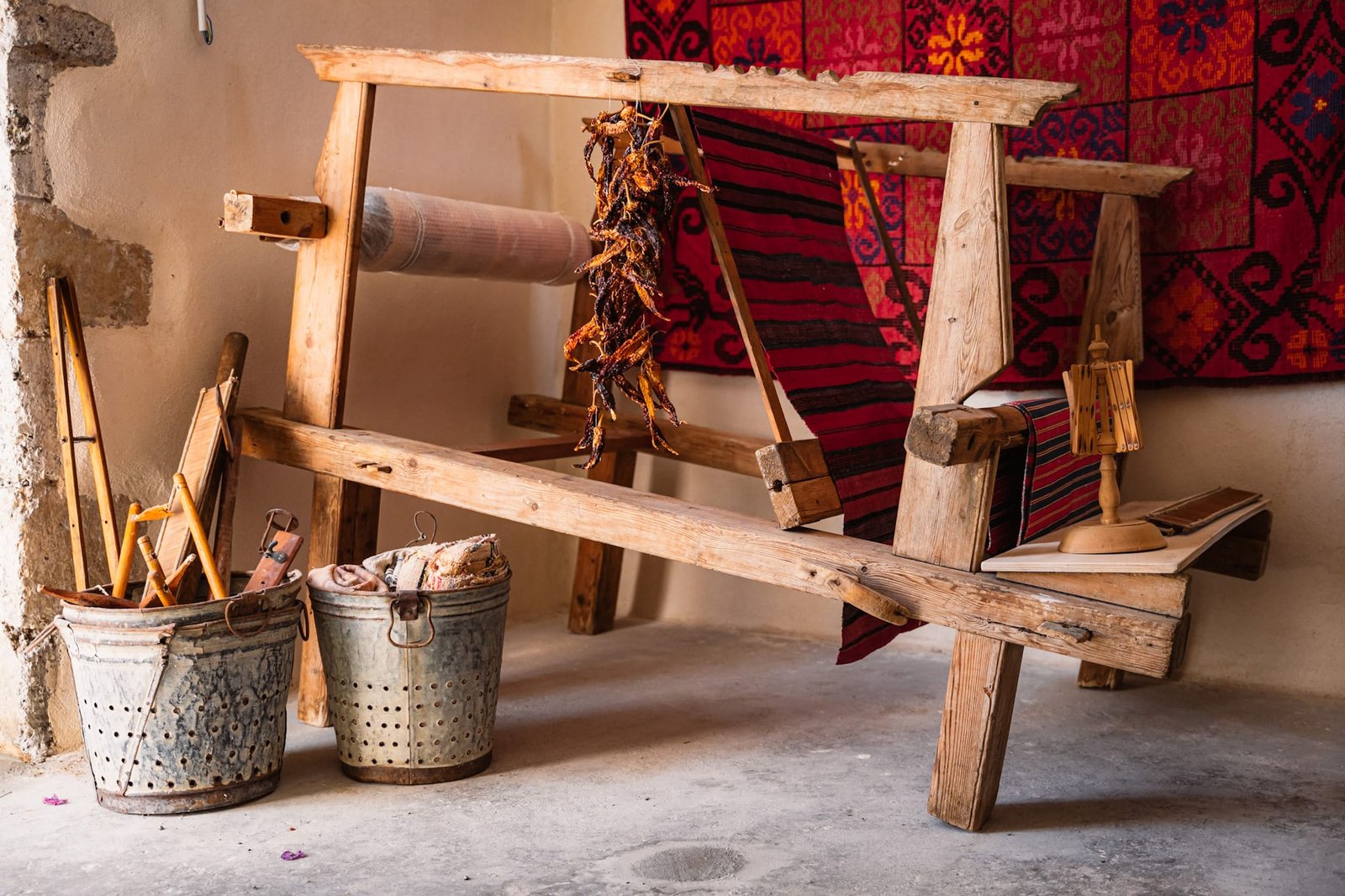
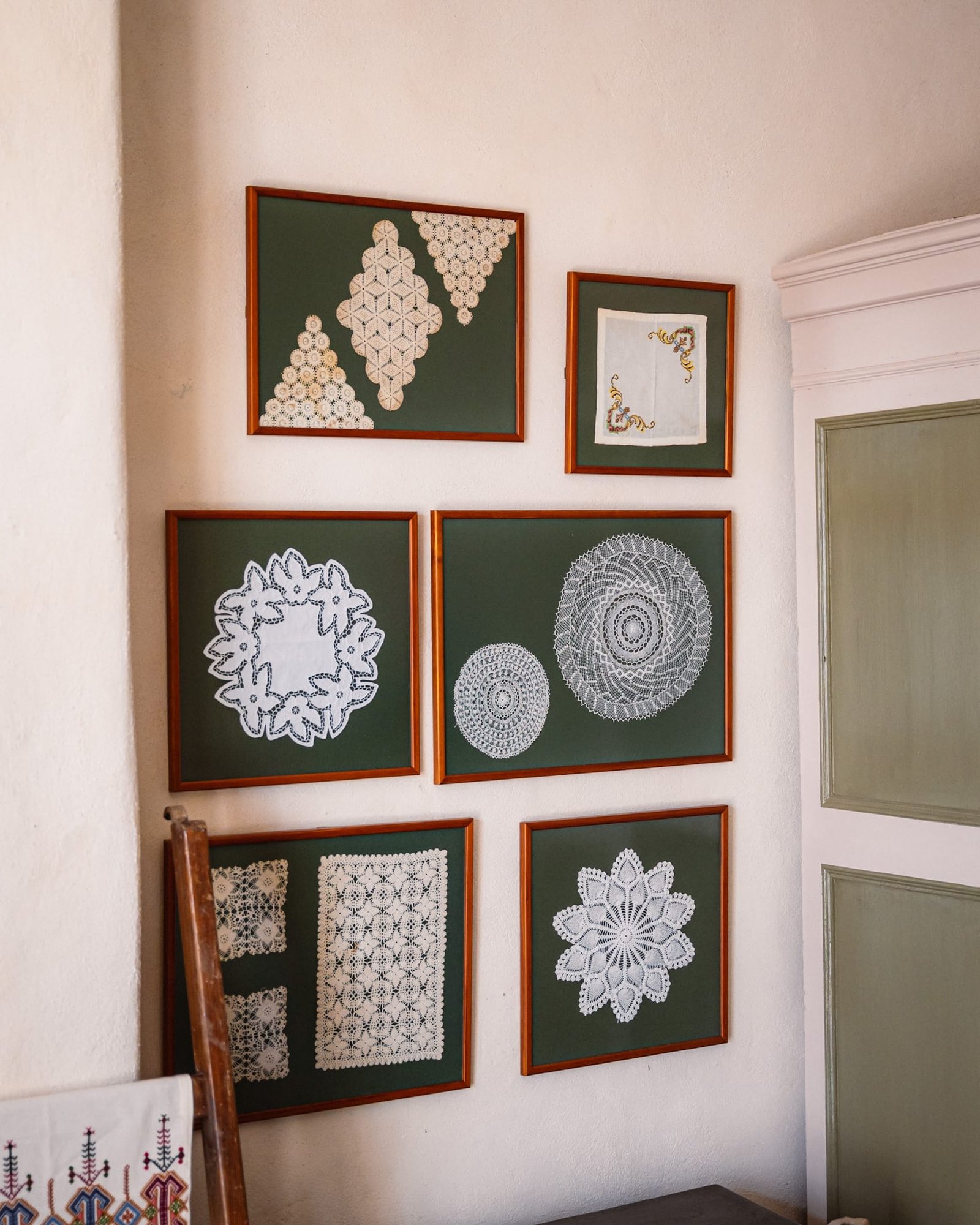
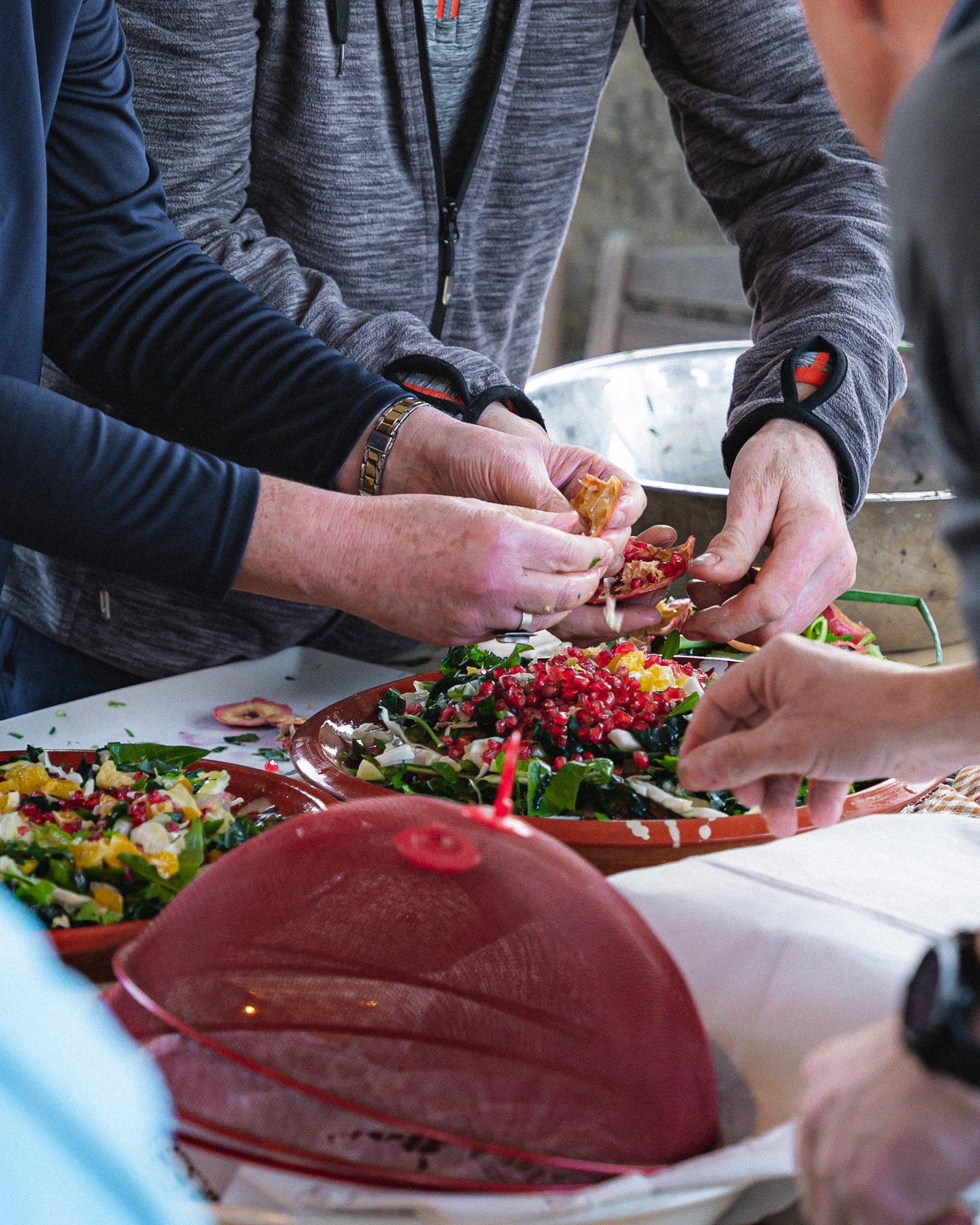
Olive oil isn’t just a product; it’s woven into Cretan culture. Traditional recipes revolve around olive oil rather than butter or cream. Religious rituals and festivals honour the olive harvest, and families still give olive trees as wedding gifts. At Aspras Terra, stories about grandparents planting a tree to mark a child’s birth bring this heritage to life. Understanding the social and emotional significance of olives deepens your appreciation for each drop of oil.
Taking Oil Home
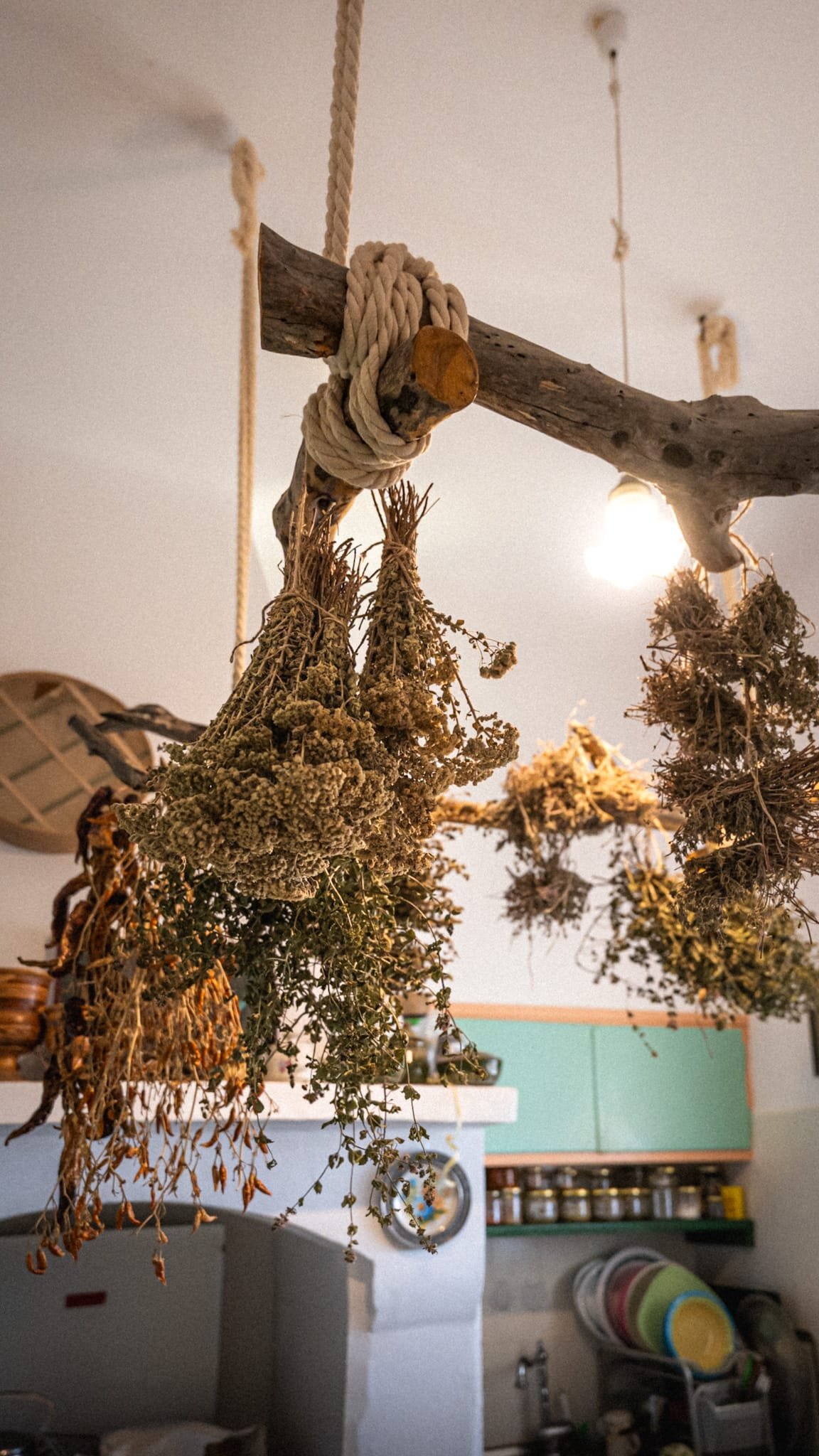
Visitors can purchase bottles of Aspras Terra’s extra‑virgin olive oil. Each bottle tells a story of organic farming, careful harvest and artisanal pressing. The farm also offers flavoured oils infused with herbs grown on the estate—oregano, rosemary or chilli—allowing you to carry the taste of Crete home.
Aspras Terra Agriculture Experience, Activities in Ierapetra Crete Greece, follow us on Instagram or Facebook to learn more about our activities and upcoming events!
olive groves crete – olive harvest – olive oil tasting ierapetra – Mediterranean diet